
Protect the product
Define barrier, light-protection, impact-resistance, and internal-fit needs before reducing material.
Sustainable packaging, considered
Lower-impact outcomes come from choices made early. This planning guide helps you evaluate structure, materials, recovery, and evidence before requesting a custom packaging quote.
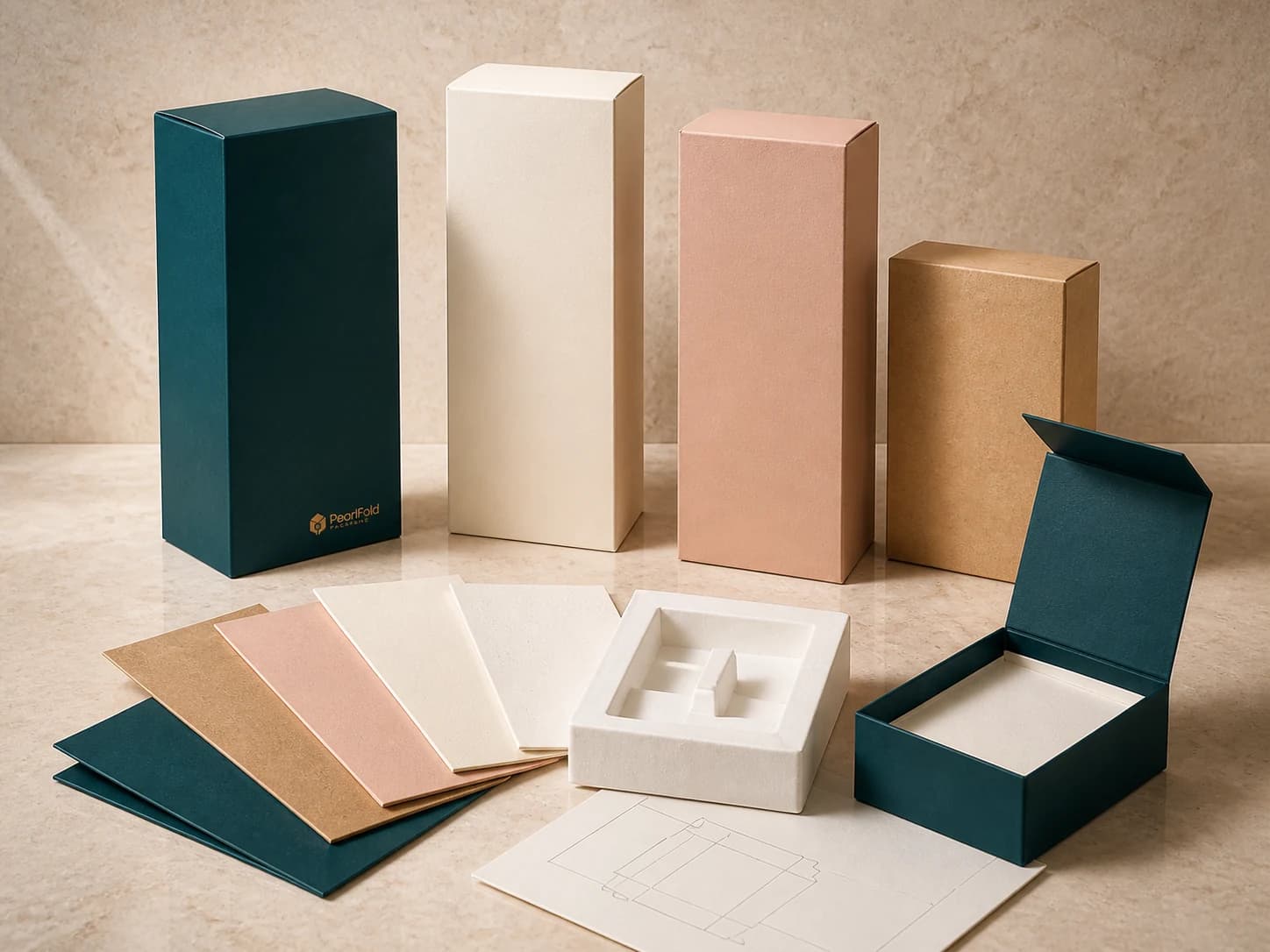
Define barrier, light-protection, impact-resistance, and internal-fit needs before reducing material.
Match the carton and insert to the product and supply chain without compromising required performance.
Use the fewest compatible materials the project can support. Avoid unnecessary laminates and components.
Consider separation, local recovery pathways, market access, and clear end-of-use instructions.
Primary folding cartons across skincare, color cosmetics, hair care, fragrance, and wellness.
What caliper provides the required rigidity? Is barrier performance or shelf-life protection required?
Select the lightest structure that meets confirmed performance and print requirements.
Projects with brand or retailer requirements for documented material-content considerations.
What content level is required, and how could it influence surface consistency, strength, or print?
Availability varies by grade, mill, finish, geography, and print method.
Internal trays, partitions, and cradles considered as alternatives to mixed-material fitments.
What protection and retention are required? Can the insert separate cleanly from the carton?
Develop the insert around the real product, handling needs, and approved structure.
Textured, uncoated, or naturally fibrous papers for a more tactile presentation.
Are moisture, rub, barrier, or color-consistency requirements involved? Which finishes are compatible?
Confirm print, converting, and finish compatibility before specifying the final sheet.
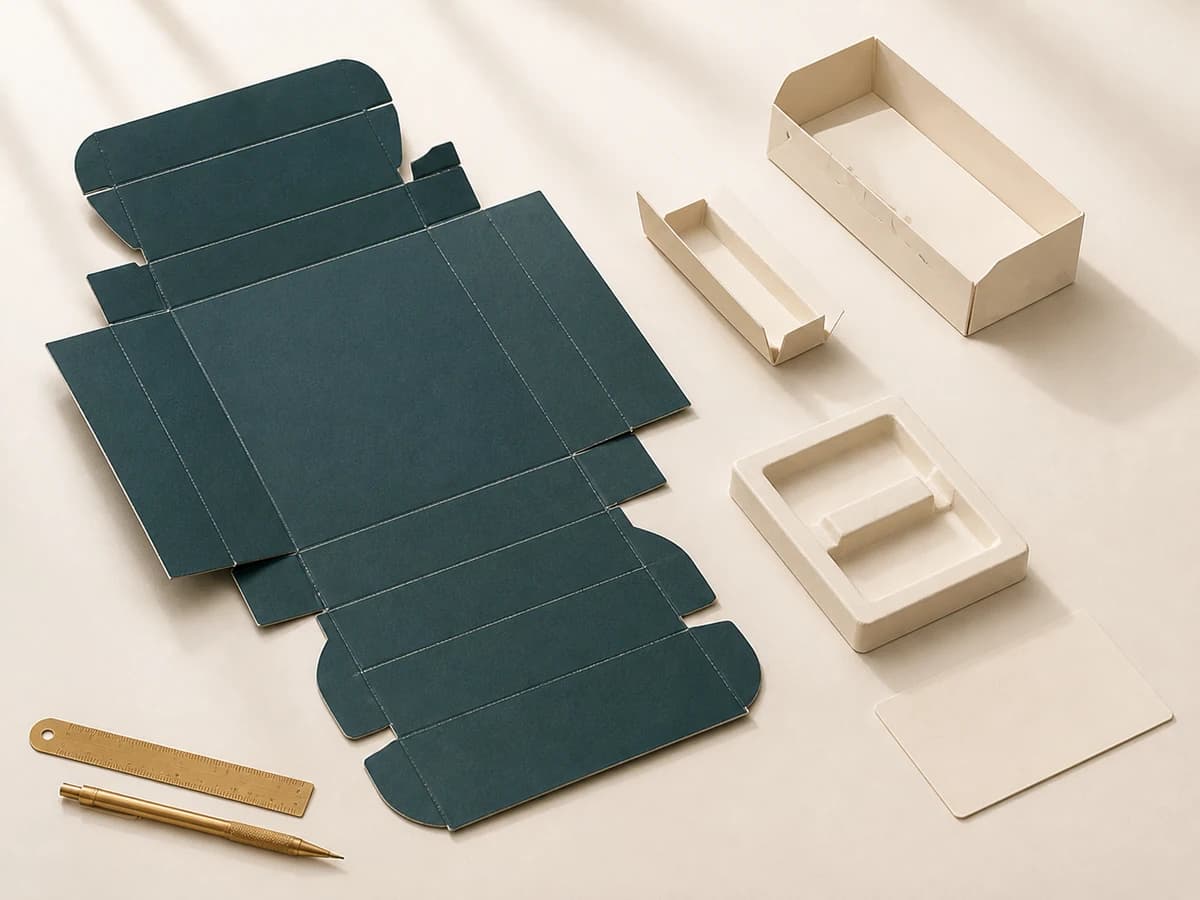
Small structural decisions influence what can be separated, recovered, reused, or recycled after the packaging has done its primary job.
Avoid unnecessary laminates, foils, windows, and permanently bonded mixed-material components.
Plan inserts, ribbons, closures, or product holders so they can be separated without specialist tools.
Review how coatings, varnishes, adhesives, and decorative details affect the intended recovery pathway.
Use concise, accurate instructions that reflect the finished pack and the markets where it will be sold.
Be specific about what can be documented. Keep the supporting record with procurement, production, and customer-facing teams so claims remain consistent and credible.
Example: This carton uses a documented percentage of recycled-content paperboard and contains no plastic window.
Example: Supplier documentation for the specified grade and approved construction record.
Example: Remove any separable insert and follow local acceptance guidance for the carton.

Tell us the product, experience goals, destination, and sustainability priorities.
Compare structures and material directions that meet the documented performance need.
Review samples, conduct relevant tests, and confirm the intended configuration.
Record a material and construction specification that can be referenced and shared.
Align print, finish, and assembly to the approved specification and quality controls.
Caliper should follow the product weight, carton dimensions, opening style, distribution environment, shelf-life needs, and presentation goal. PearlFold reviews these requirements together before recommending a board direction. A heavier board is not automatically the better option; the appropriate structure is the one that meets the confirmed performance need without unnecessary material.
It can, but the result depends on the selected grade, recycled-content level, surface treatment, print method, color tolerance, and finish plan. We recommend reviewing physical samples and print expectations before a final specification is approved. Any recycled-content statement should reflect documented supplier information for the material actually purchased.
Share the applicable guideline, restricted-material list, testing protocol, documentation request, and destination markets with the project brief. We can then evaluate structure, materials, inserts, artwork, and finish choices against those requirements. Final compliance decisions remain tied to the approved specification and evidence supplied for that project.
Not necessarily. Recoverability depends on the finished construction, coatings, adhesives, windows, inserts, local collection systems, and access to appropriate facilities. PearlFold avoids blanket claims and instead helps document the actual components and the intended end-of-use instructions for the markets involved.
Provide the product and dimensions, target quantity, current pack if one exists, performance and barrier needs, sales channels, destination markets, retailer requirements, material preferences, finish direction, and any environmental claim you intend to make. This gives the team enough context to compare practical options without relying on assumptions.
A clearer next step
Our team will help you evaluate material directions, simplify the system, and document the choices that matter for your project.
Get a Custom Quote