
Custom beauty packagingMade for your productPremium print and finishesServing U.S. brands
Custom beauty packaging
Fragrance & Aromatherapy Packaging
Custom fragrance and aromatherapy packaging for perfume, cologne, essential oils, diffusers, roll-ons, discovery sets, gift sets, and related presentation formats.
Explore products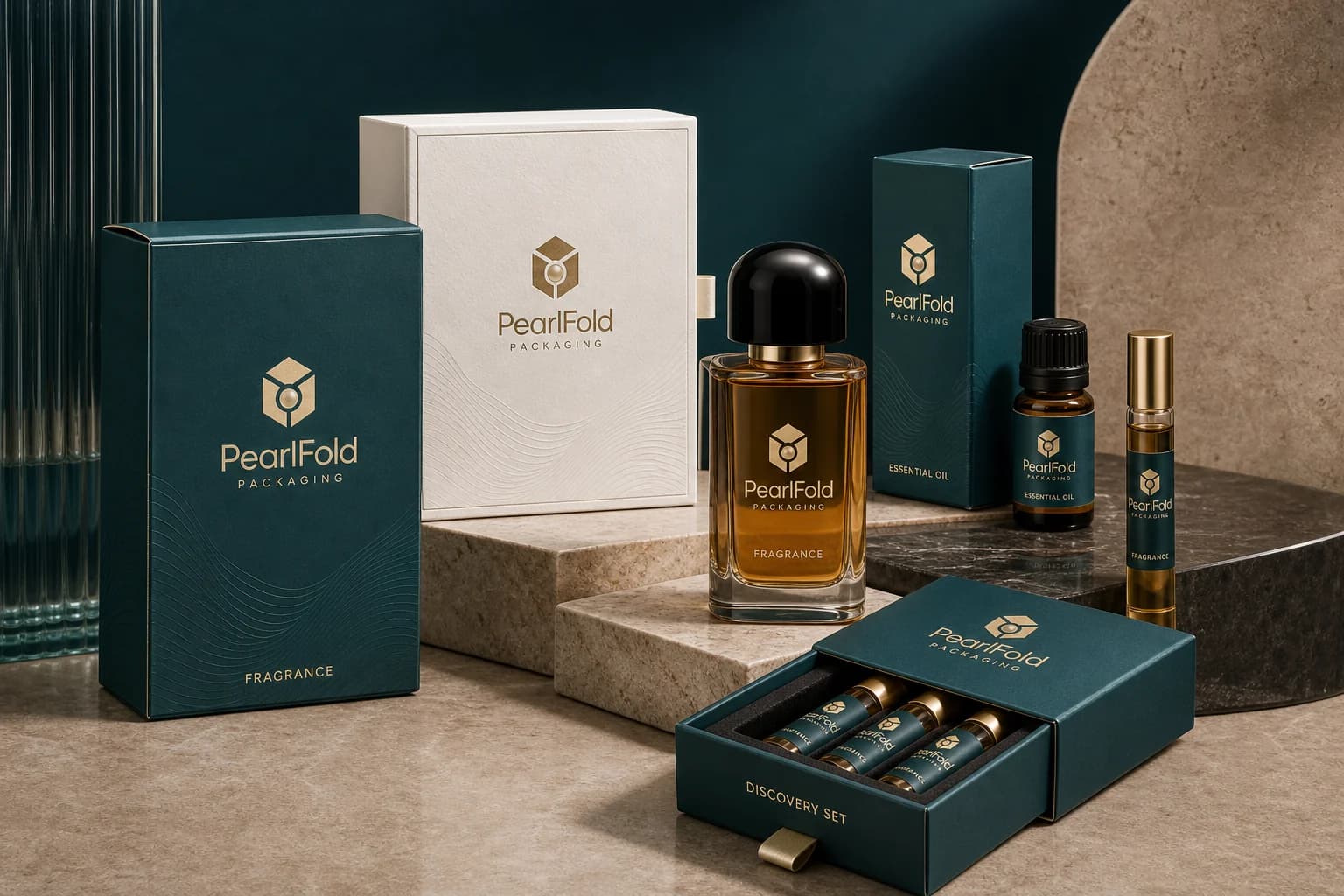
Explore product categories
Explore more product families
Compare related beauty and personal-care categories without leaving the PearlFold packaging catalog.
Shop the collection
Fragrance & Aromatherapy Packaging products
Explore custom products within the fragrance & aromatherapy packaging collection.
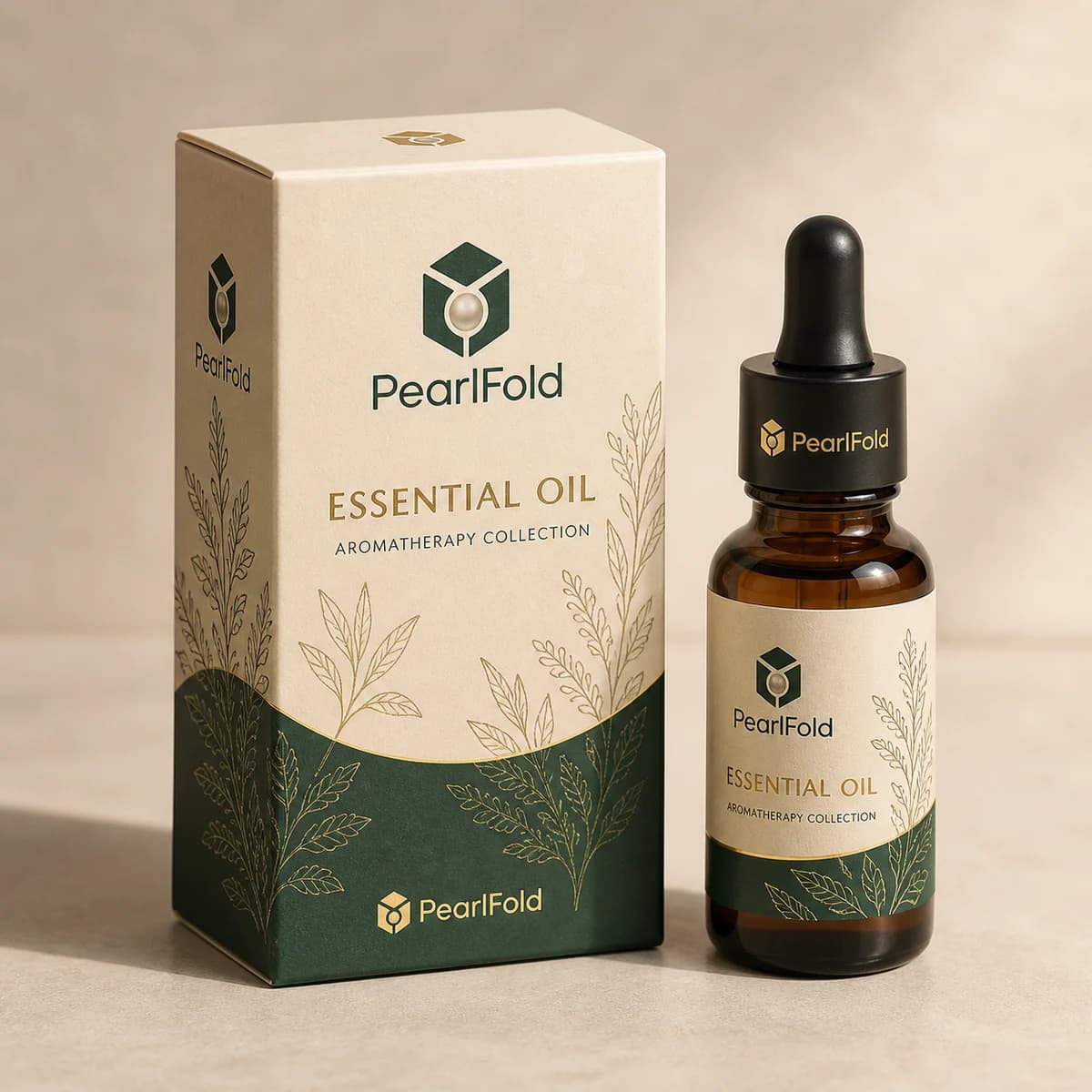
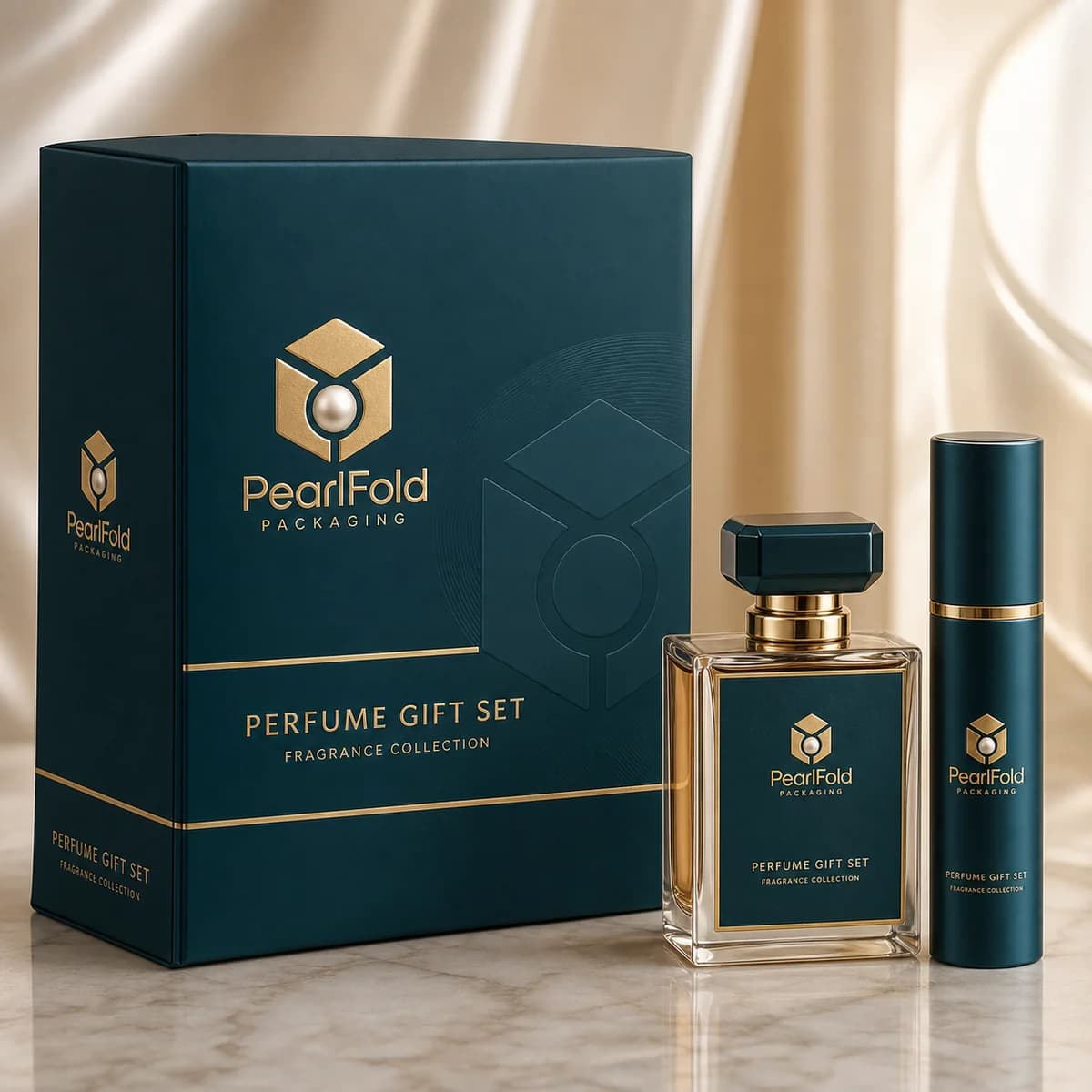
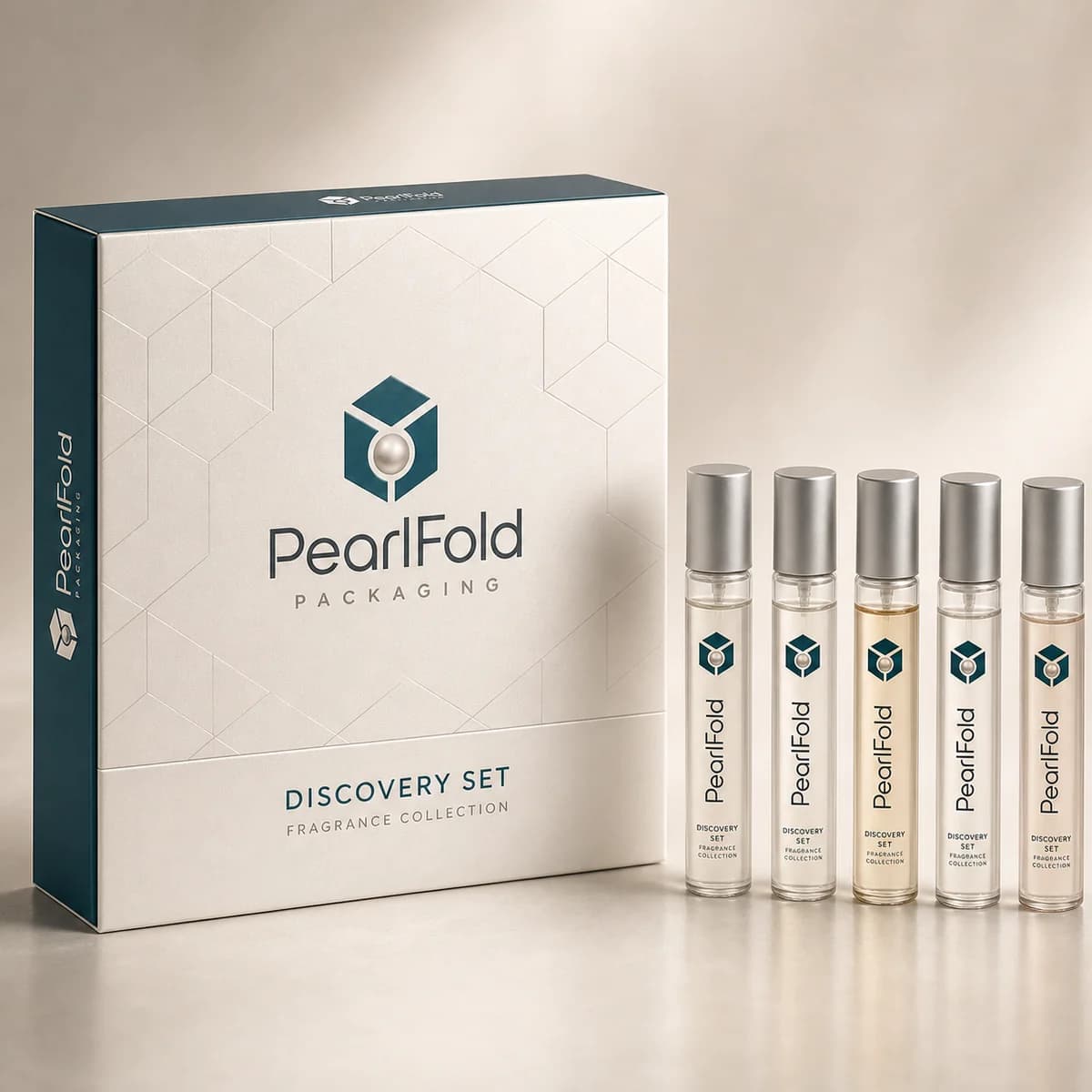
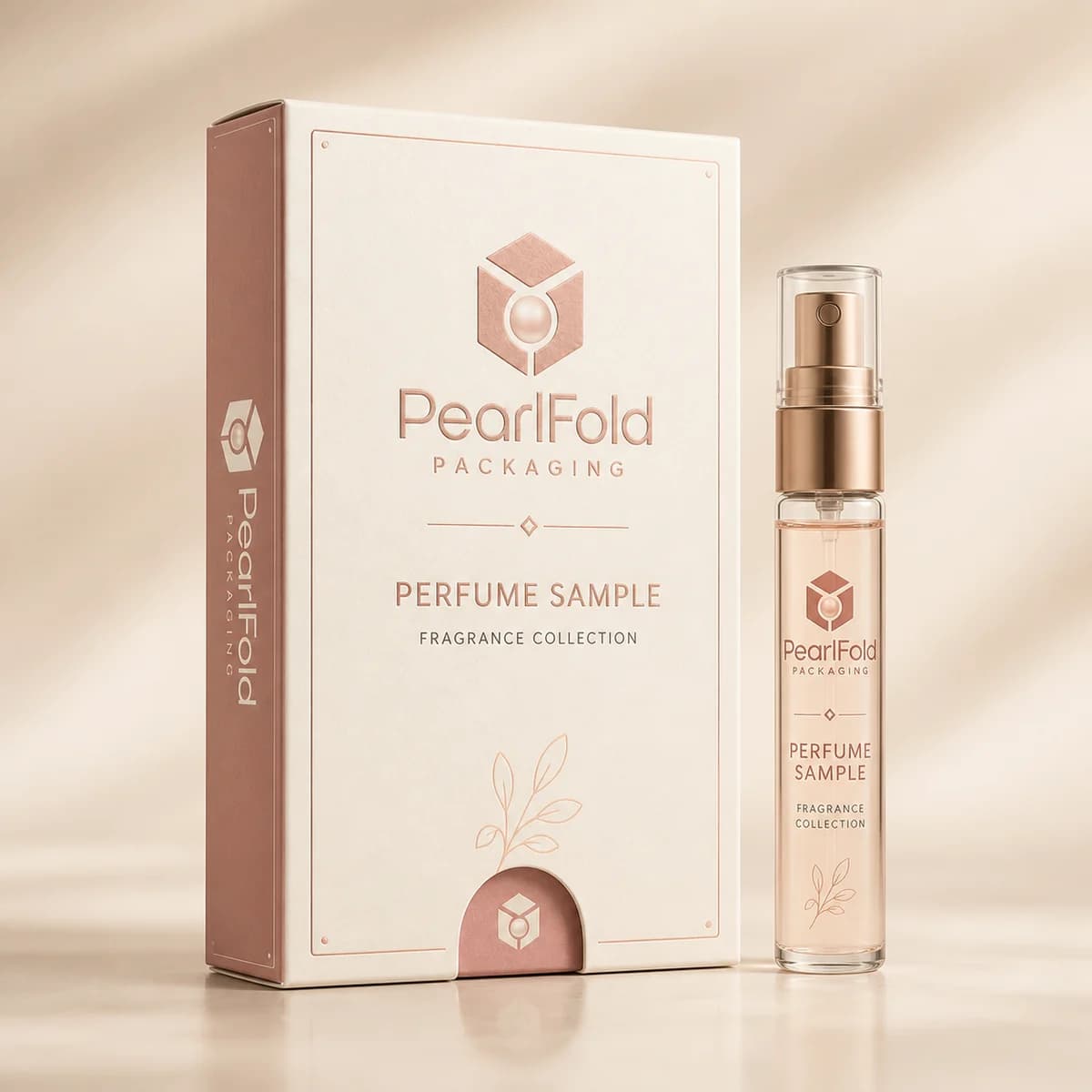
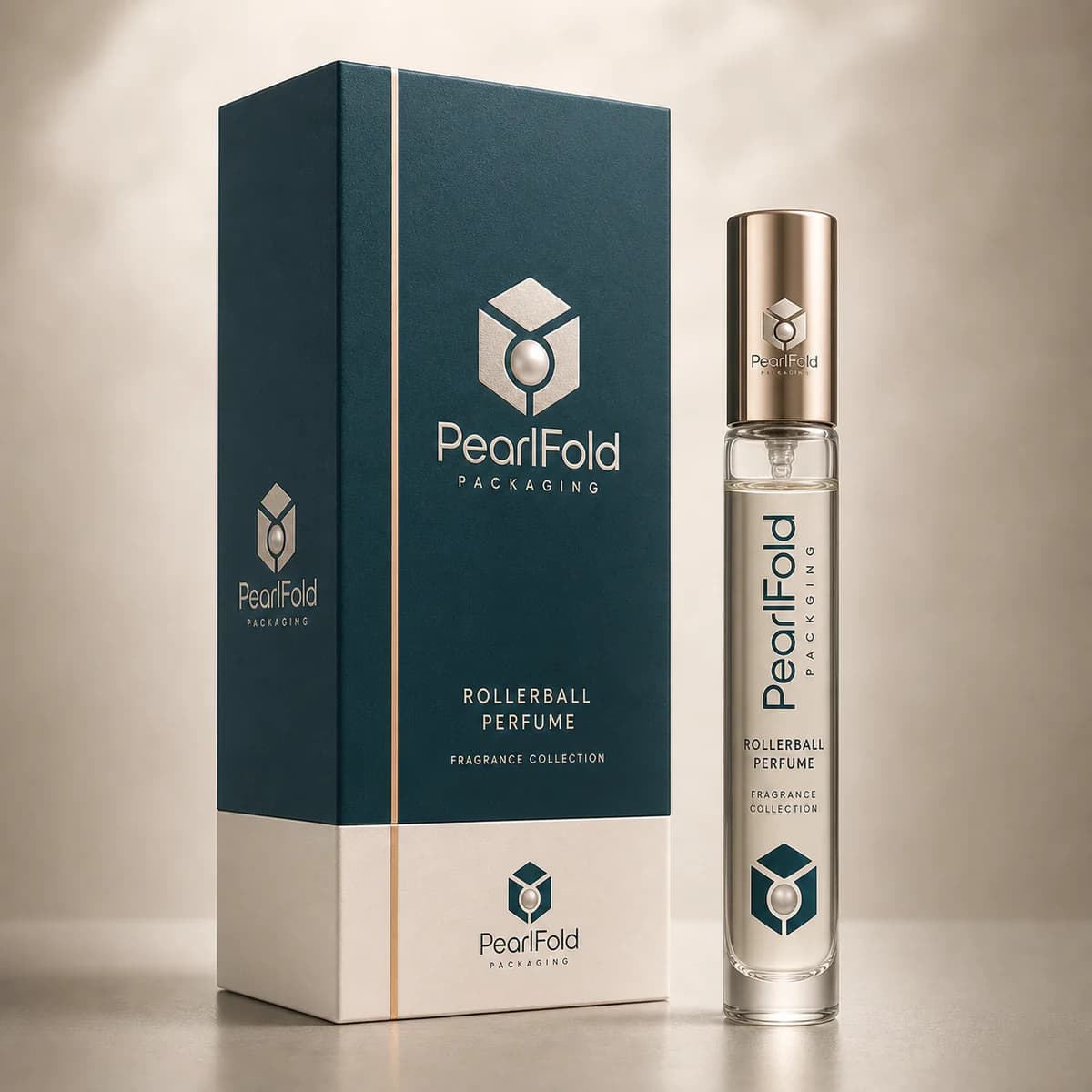
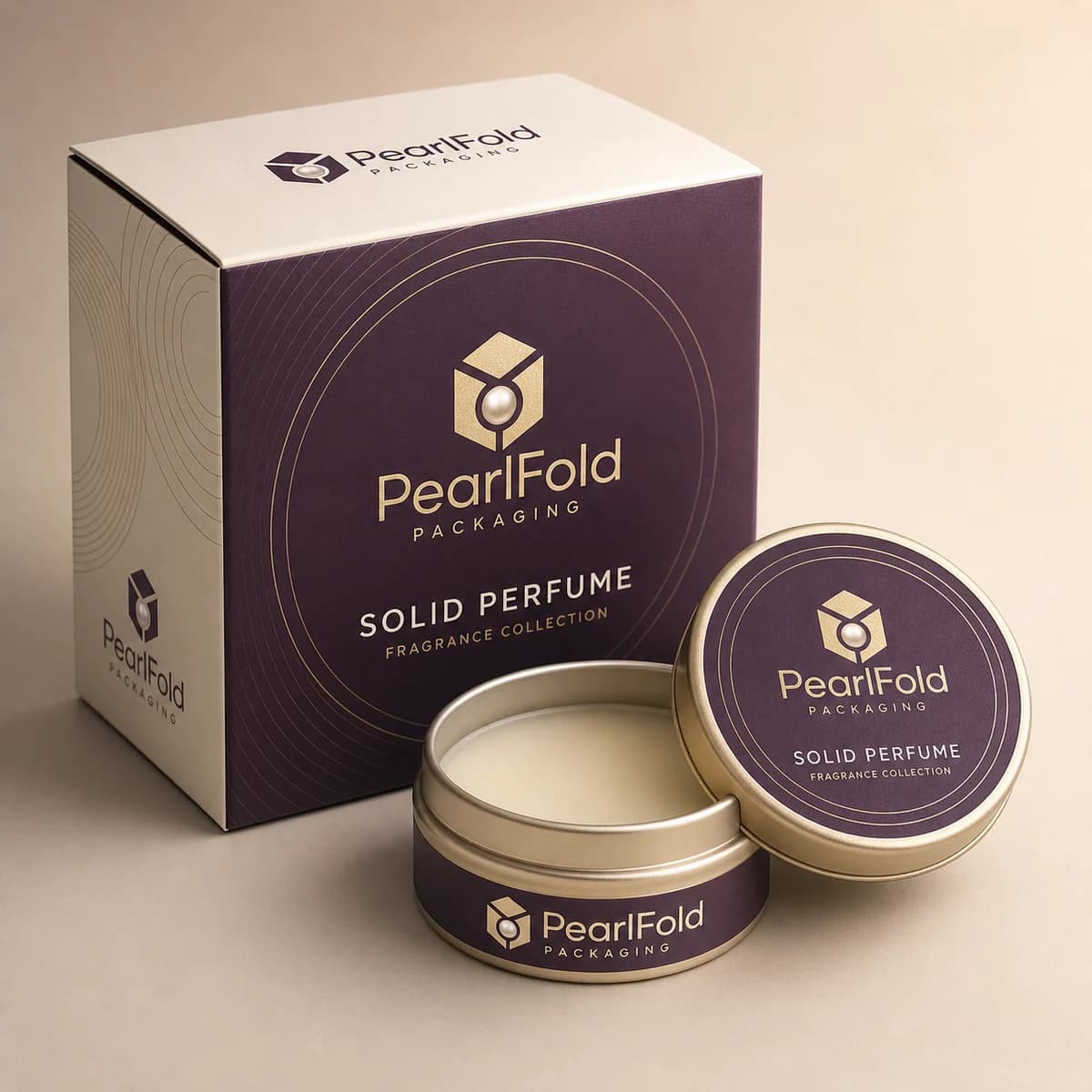
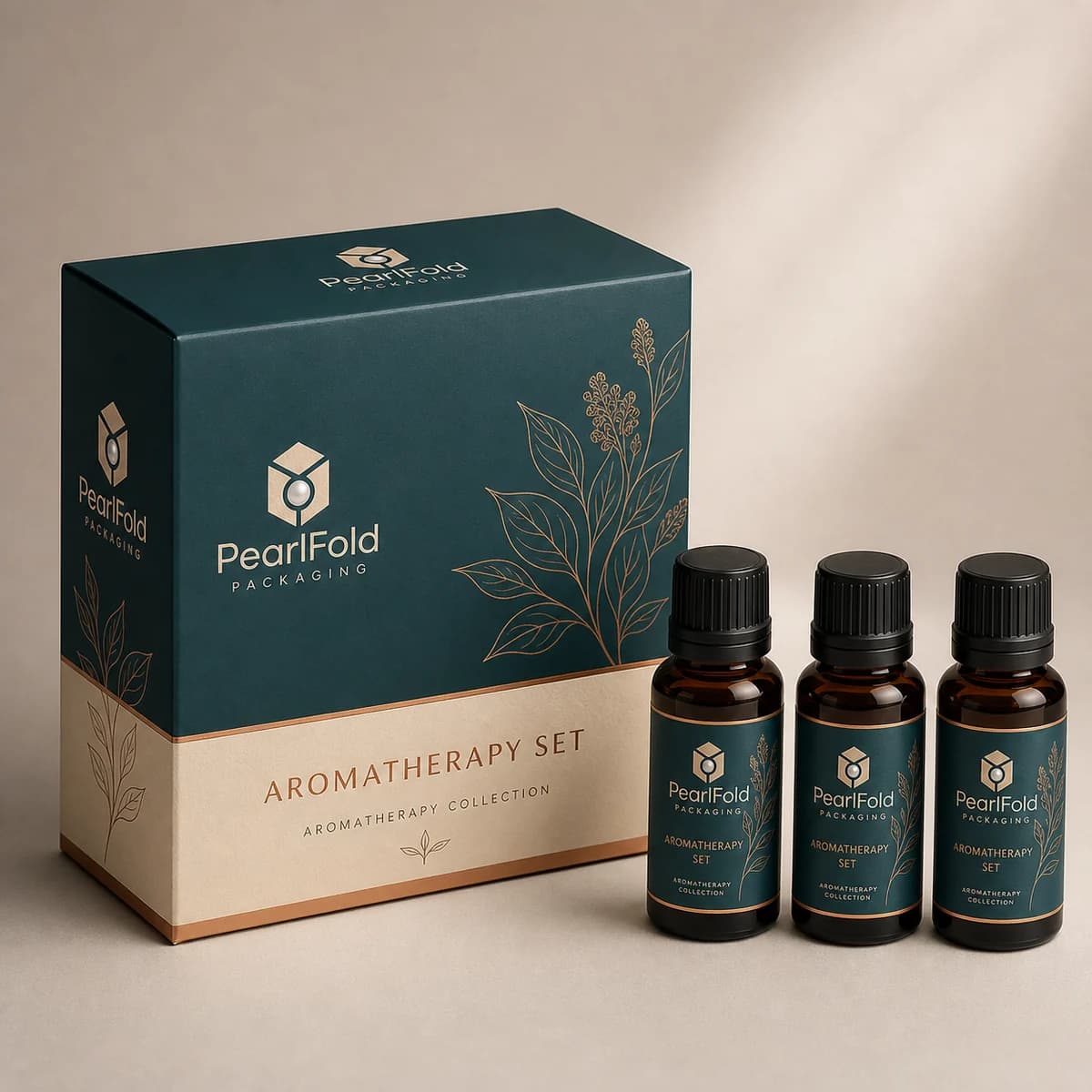
All 9 products are visible
Category buying guide
How to plan fragrance & aromatherapy packaging
What should custom fragrance packaging protect and communicate?
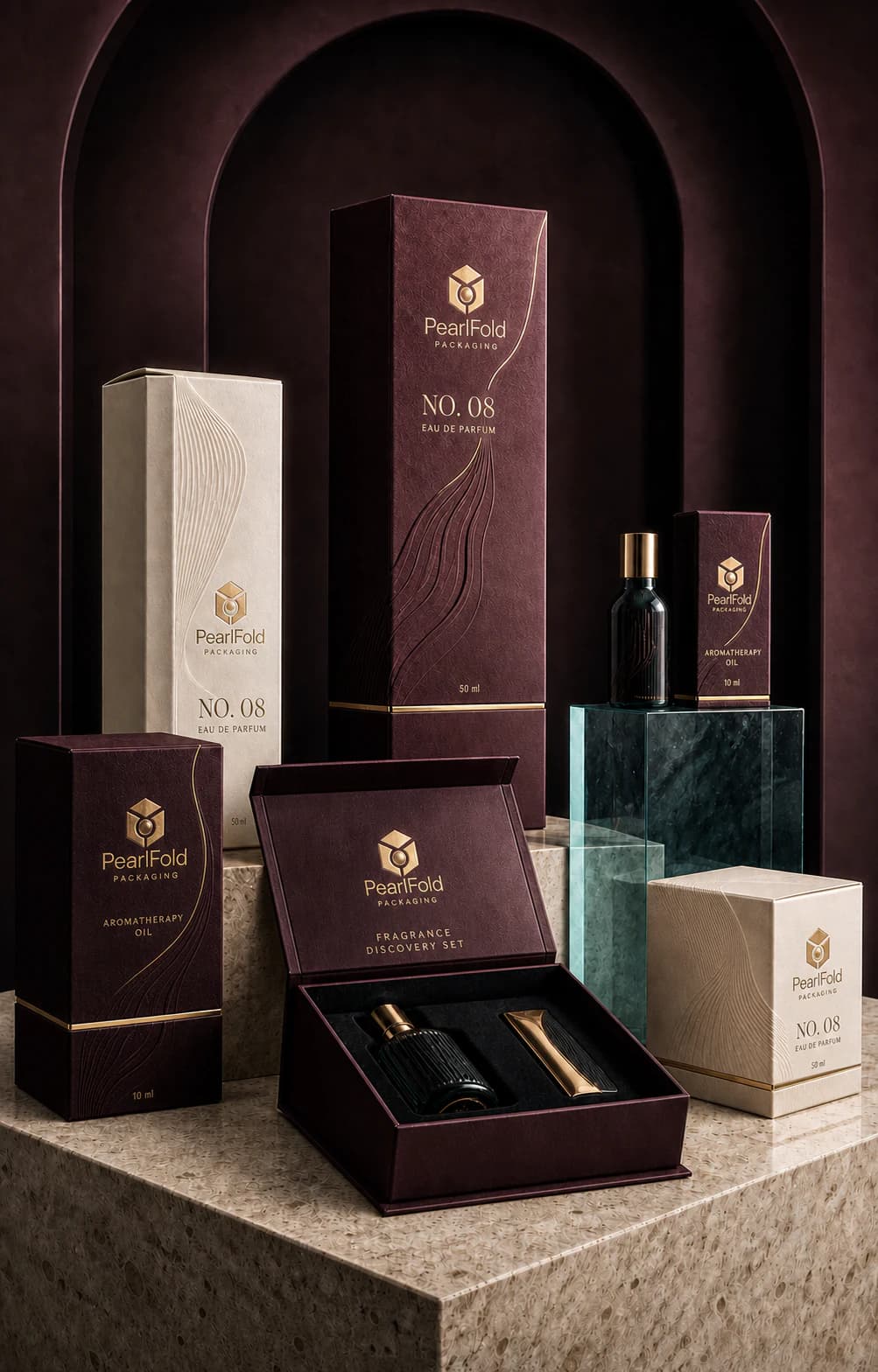
Fragrance packaging is closely tied to the moment of discovery. The carton may be the first physical expression of the scent, but it also has to organize and present a glass bottle, rollerball, sample, solid perfume, essential oil, or coordinated set. PearlFold develops custom perfume boxes and aromatherapy packaging around the bottle dimensions, product format, chosen structure, and the way the brand wants the package to open.
A successful direction balances atmosphere with precision. The exterior can communicate the tone of the collection through color, typography, material, and finish, while the interior supports a deliberate product presentation. Because fragrance containers vary widely in shape, weight, cap profile, and fragility, the package should be planned from accurate product information rather than a generic visual template.
Select a structure for the fragrance format
Folding cartons can suit many individual perfume, cologne, rollerball, and essential-oil products. Rigid boxes, two-piece boxes, drawer formats, and fitted presentation boxes can support gift sets, discovery collections, or a more substantial unboxing sequence. Sample packaging may prioritize compact organization, while a full-size bottle may need additional attention to product clearance and interior positioning.
The opening style changes how the fragrance is introduced. A top-opening carton offers a familiar retail interaction; a drawer creates a staged reveal; a two-piece box separates lid and base; a magnetic presentation structure can frame the bottle as a central object. The appropriate choice depends on the product, brand direction, intended use, and approved specification. There is no universal rule that every fragrance requires the same premium structure.
Plan the bottle fit and insert together
Fragrance bottles often combine glass, decorative caps, pumps, collars, and distinctive silhouettes. The insert or internal support should account for those features without crowding the product or hiding the areas that matter when the box opens. A set may need several openings with a clear visual order, while a single bottle may need one precise position and a clean frame around it.
Paperboard, rigid-board, and molded-paper insert directions may be considered according to the structure and project brief. The final choice should be based on product measurements, weight, presentation, and production requirements. Planning the insert early also gives the artwork team accurate outer dimensions and avoids designing a beautiful exterior around an unresolved interior.
Create a fragrance identity across sizes and sets
A fragrance range can include a full-size perfume, travel spray, rollerball, solid perfume, sample set, gift box, and related aromatherapy formats. These packages do not need identical proportions, but they should share a recognizable system. A consistent brand position, type hierarchy, color relationship, and finish strategy can connect the collection while allowing each product type to remain easy to identify.
Discovery sets deserve particular care because several products compete for attention in a small space. Clear naming and a deliberate arrangement help customers understand the sequence without dense copy. Gift sets can create more visual theatre, but the outer and inner artwork should still feel like parts of one considered package.
Use materials and finishes to express the mood
Fragrance packaging often benefits from controlled contrast: a deep color with a restrained foil mark, a tactile paper with blind embossing, or a quiet exterior that reveals a more expressive interior. Reflective finishes can feel special when they emphasize a specific element. Too many competing effects can weaken the sense of refinement and make small typography harder to read.
Material and finish decisions should be tested against the actual structure and artwork. Broad areas of dark color, fine lines, small foil details, and embossed surfaces each introduce different considerations. PearlFold keeps these decisions connected to the approved project specification and does not present unconfirmed materials or finishes as standard for every fragrance box.
Organize approved fragrance information clearly
Brand name, fragrance name, product format, and variant should have a clear reading order. Supporting panels provide space for the brand’s finalized content and any information required for the product and market. Brands are responsible for supplying approved copy and obtaining any qualified regulatory or legal review they need. PearlFold does not invent ingredient, performance, certification, origin, or compliance claims.
The visual hierarchy should remain strong in photography and at shelf scale. A perfume carton may be viewed as a full-size object in a boutique, a small tile online, or one item among several in a discovery set. Consistent typography and focused contrast help the identity survive those changes in scale.
Explore perfume and aromatherapy packaging
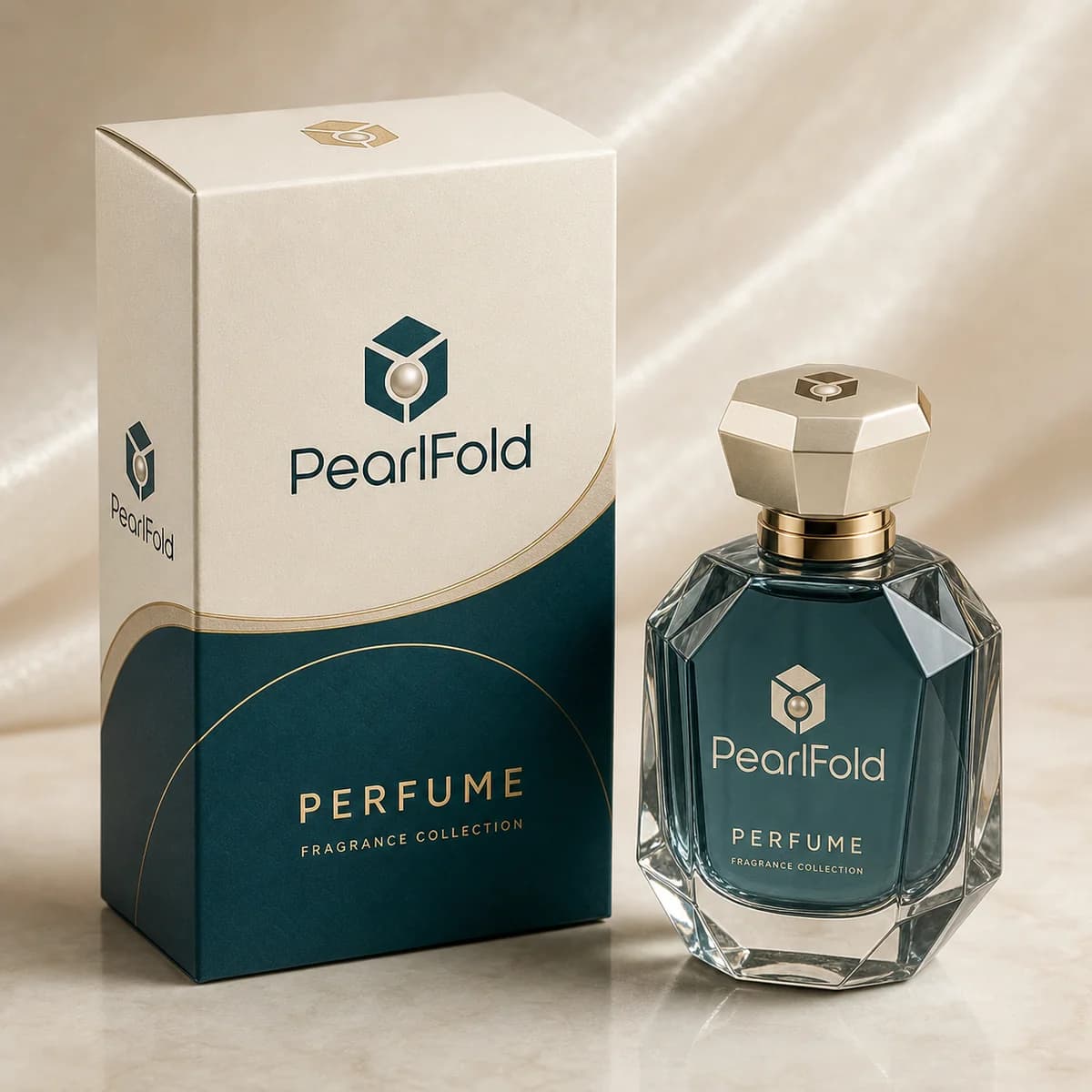
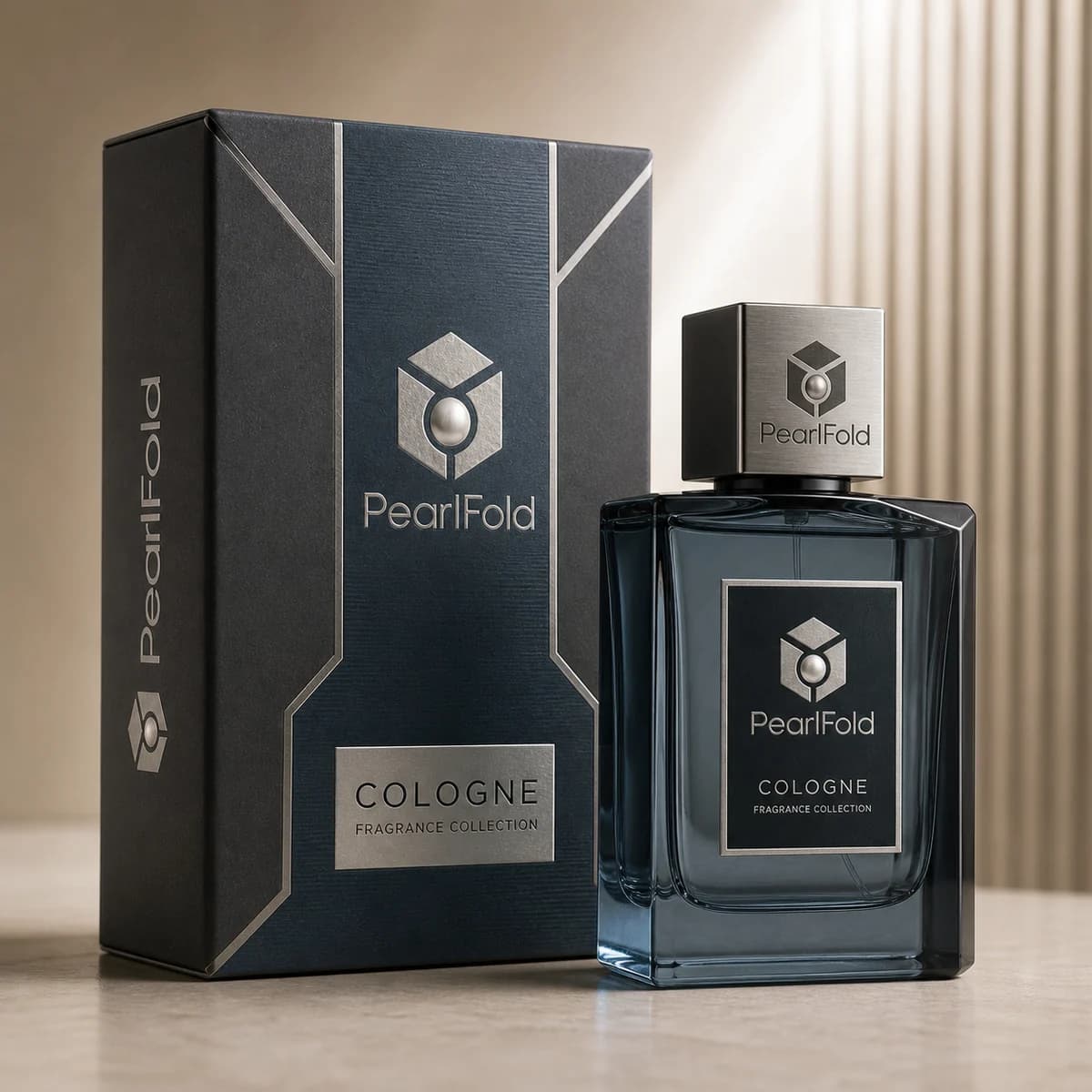
The PearlFold collection includes custom perfume boxes, cologne boxes, essential-oil boxes, perfume gift boxes, fragrance discovery set boxes, perfume sample boxes, rollerball perfume boxes, solid perfume boxes, and aromatherapy set boxes. Each product page offers a focused starting point, while the category keeps related structures, inserts, material directions, and finishing options connected.
For a new collection, reviewing the full family at the beginning can align bottle photography, product names, box proportions, and set presentation. For an established product, the brief can focus on improving the package while preserving the recognition customers already have. The objective is a packaging system that feels distinctive, protects the presentation, and remains coherent as the fragrance line develops.
How do perfume boxes and essential oil boxes differ?
| Product format | Useful starting structure | Main packaging question |
|---|---|---|
| Retail perfume or cologne bottle | Folding carton or supported presentation box | How will the bottle be held, protected, and presented? |
| Luxury fragrance launch | Rigid box, drawer box, or two-piece box | Does the opening sequence match the brand and sales context? |
| Essential oil bottle | Compact folding carton or multi-bottle set box | Are small labels, bottle separation, and product identification clear? |
| Discovery or sample set | Drawer, book-style, or rigid presentation structure with inserts | Can each vial be identified and removed without disrupting the set? |
Custom perfume boxes often place greater emphasis on bottle reveal and visual ceremony. Custom essential oil boxes may need to organize smaller bottles and keep several product names legible in limited space. Both depend on accurate dimensions, approved copy, and a structure that controls movement.
What makes fragrance packaging feel premium?
Premium fragrance packaging is usually the result of proportion, material character, controlled typography, and a deliberate opening experience. A rigid box is not automatically the best answer, and a folding carton is not automatically basic. A well-proportioned carton with precise artwork and restrained finishing can communicate quality clearly. The format should support the product position, retail context, and available project specification.
Foil, embossing, debossing, textured paper, and selective gloss can reinforce the fragrance identity when each treatment has a defined purpose. Brands should avoid placing critical copy where folds, seams, or reflections make it hard to read. The physical sample remains the best point for confirming how surface and structure work together.
What should be included in a fragrance packaging brief?
Include bottle dimensions, bottle weight, closure type, quantity range, artwork status, desired opening style, and any insert requirement. For a set, list every bottle or vial and the intended order. If the product is custom perfume packaging, cologne packaging, essential oil packaging, or a discovery set, use the exact product term. Clear naming helps the structural and artwork discussion stay focused.
Prepare a fragrance packaging request
Useful inputs include the bottle or container dimensions, weight, cap and closure profile, preferred box style, insert expectations, artwork status, approximate order requirement, and intended presentation. For a set, provide the number and arrangement of items. Photographs, drawings, or a sample package can help clarify shape and fit when a physical container is not yet available for review.
Existing fragrance collections should also identify the visual elements that must remain recognizable, such as the brand position, color relationship, naming pattern, or bottle presentation. New collections can begin with the formats most likely to launch together so the system is tested across a full-size bottle, a smaller format, and any planned set before the rules are finalized.
PearlFold can then organize the next conversation around structure, presentation, and visual emphasis. Browse the fragrance and aromatherapy formats above, note the package types most relevant to your product, and request a custom quote when the essential details of the project are ready.