
Product fit
Size, fragility, weight, and the product surfaces that need support.
Custom box styles
Box structure shapes how your product fits, how it is protected, how it opens, and how it performs in pack-out. Use this guide to compare nine common custom box styles and select a strong structural direction for your project.

Start with
Size, fragility, weight, and the product surfaces that need support.
Shelf presence, packing, storage, shipping, and the expected order plan.
Surface area, reveal sequence, and the hierarchy that carries the brand.
Access, removal, closure, and the moments the customer notices.
Movement control, internal support, clearance, and product contact.
Structure atlas
A practical guide to the most common custom box styles used in beauty and personal-care packaging.
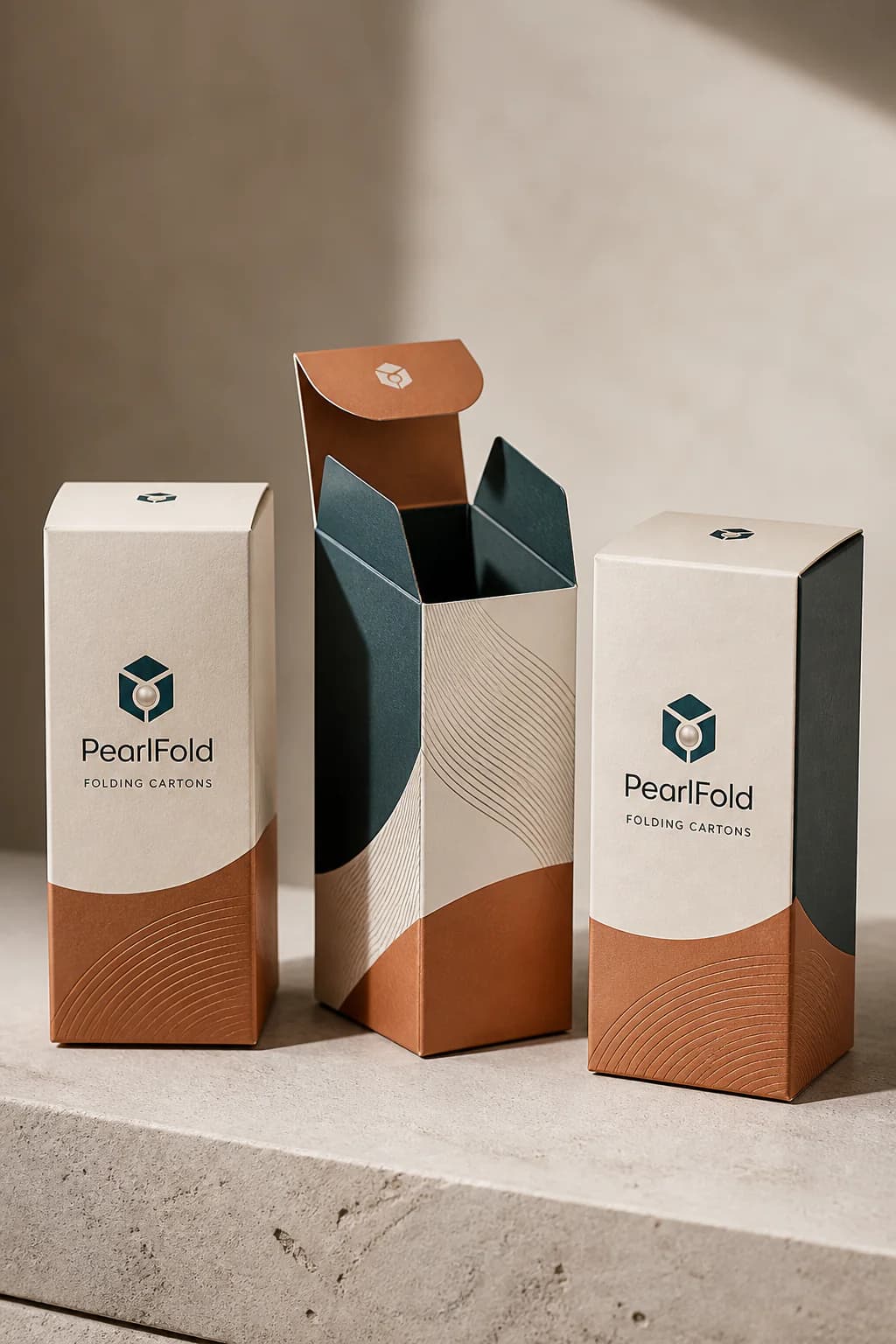
Flat-packed paperboard that folds into shape for efficient production and shipping.
A scored paperboard structure supplied flat and erected for packing.
Skincare, haircare, fragrance, cosmetics, and small accessories.
Dieline, tuck direction, glue area, board selection, and artwork panels.
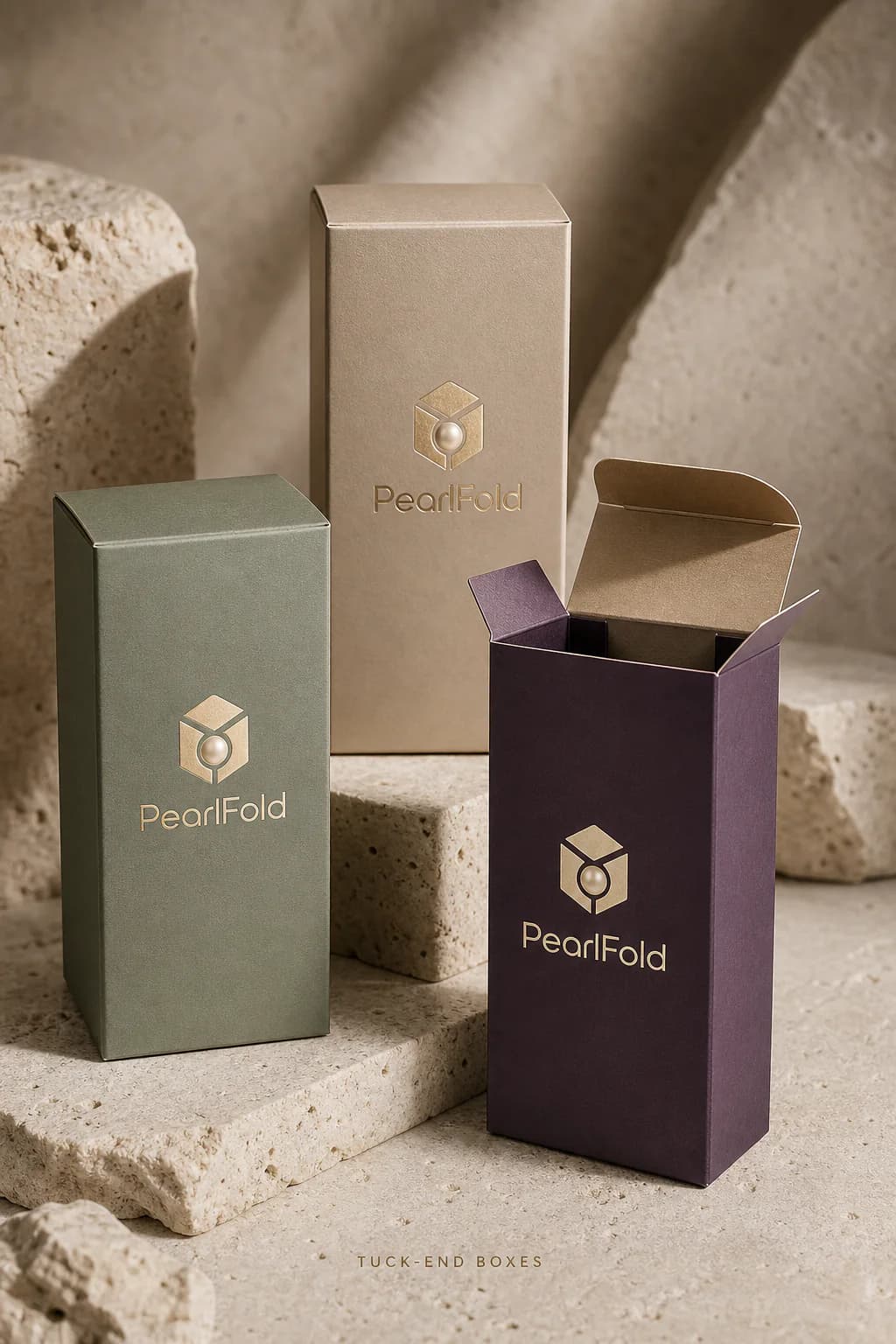
A folding carton with top and bottom flaps that tuck into place.
A carton whose closing flaps tuck into the body at one or both ends.
Light to medium single products with straightforward access.
Tuck orientation, tab clearance, product loading, and closure security.
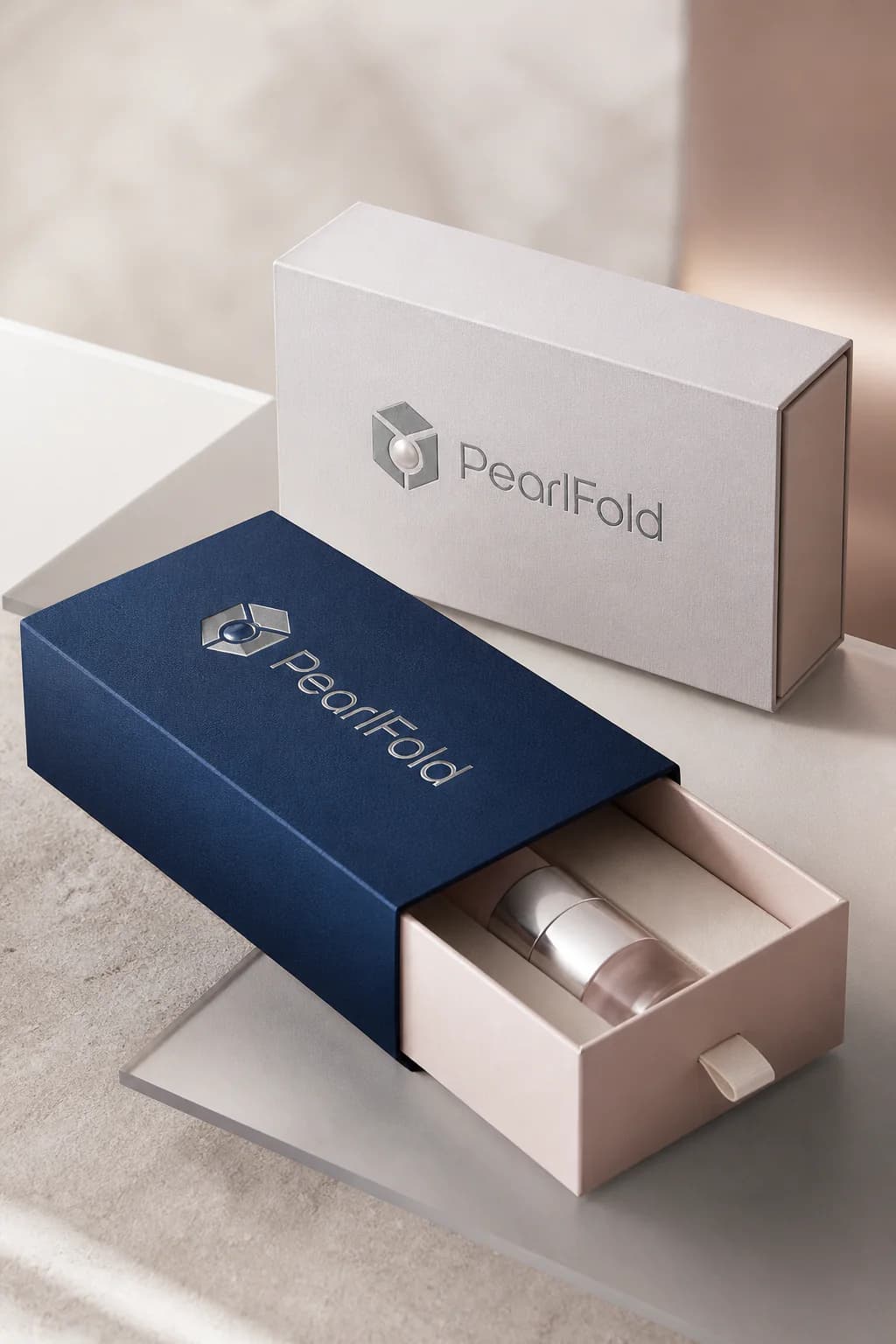
A printed sleeve moves over a tray or inner box to create a layered reveal.
An outer wrap paired with a tray, carton, or rigid inner structure.
Retail sets, coordinated ranges, and reveal-led presentation.
Sleeve clearance, friction, stop points, and the direction of opening.

A box with a clear or open reveal that lets the product remain visible.
A folding carton or rigid format with a die-cut viewing area.
Products where the formula, color, bottle, or finish supports the sale.
Window material, opening position, product restraint, and artwork clearance.
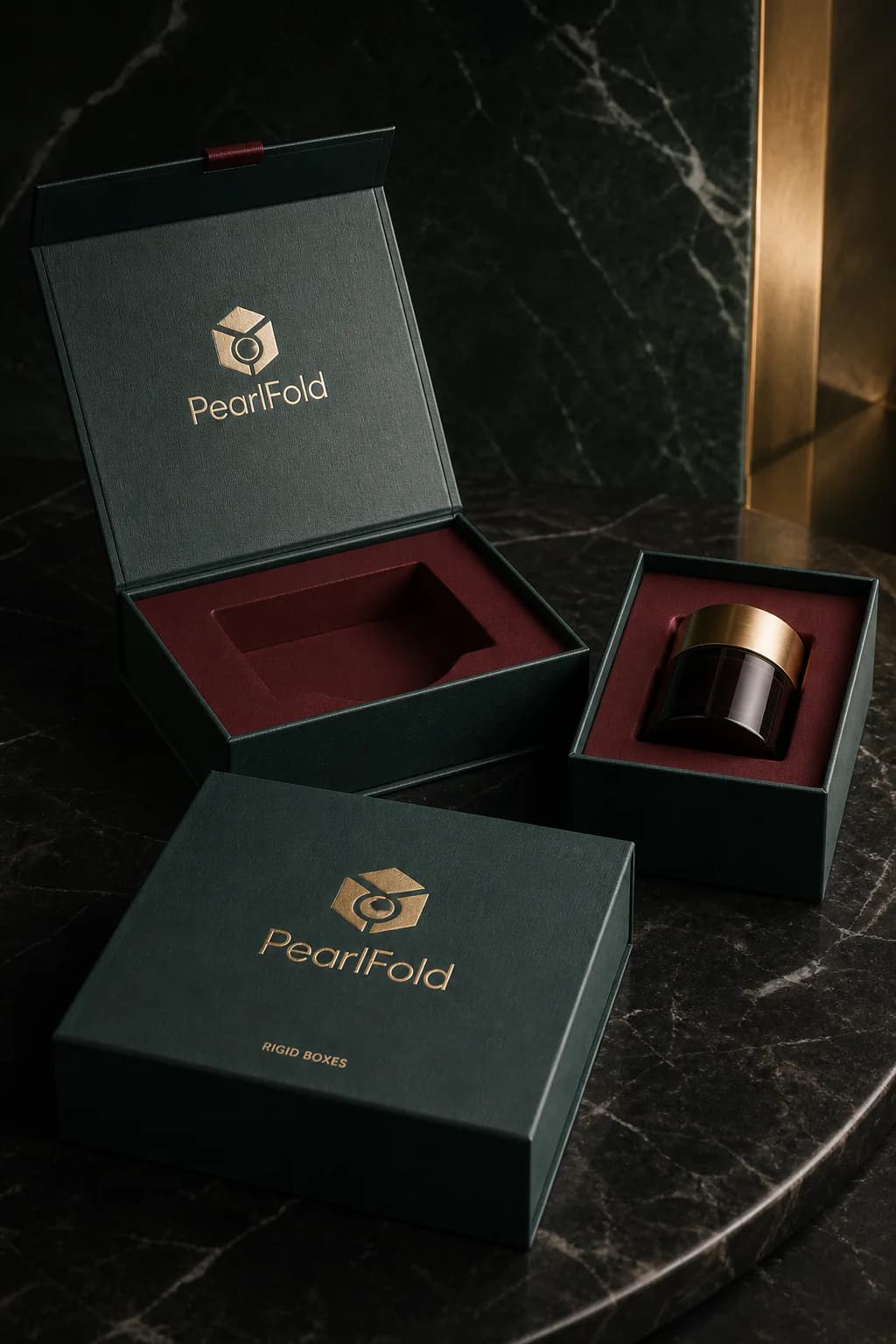
Thick, non-collapsible board creates a substantial premium presentation.
A set-up structure made from dense board and a wrapped surface.
Premium skincare, fragrance, gift sets, and limited editions.
Board grade, wrap, closure, insert, lid depth, and hinge performance.
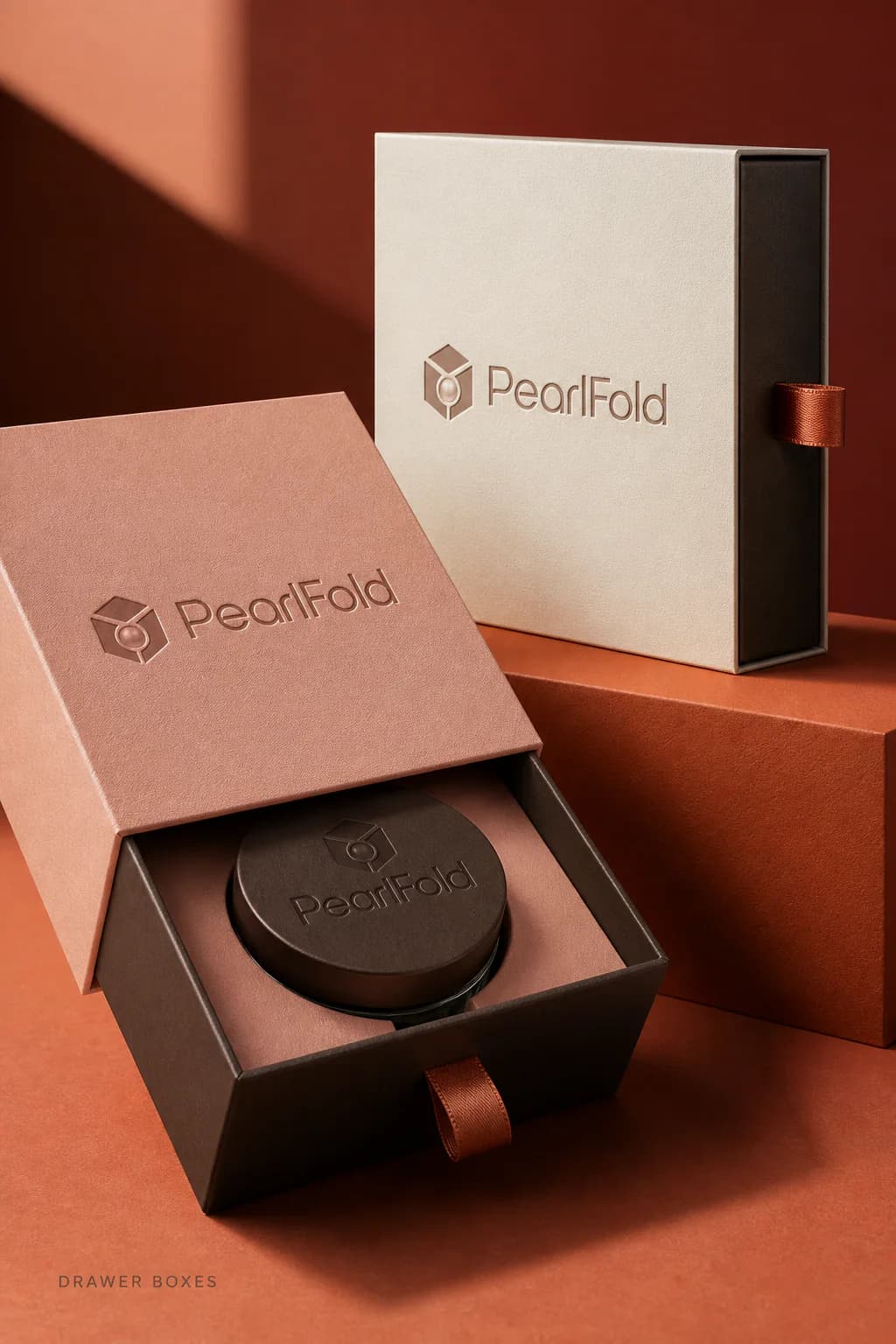
A sliding inner tray moves through an outer sleeve for a controlled reveal.
A tray and sleeve system opened with a pull or exposed tray edge.
Gift sets, launches, discovery sets, and elevated unboxing.
Drawer friction, pull-tab strength, travel stop, and product alignment.

Separate lid and base meet as a clean, familiar presentation structure.
A base and removable lid constructed as two independent components.
Premium sets, beauty tools, candles, and heavier product groupings.
Lid fit, lift height, edge alignment, board thickness, and nesting.

Presentation-first packaging shaped around gifting, launch, or brand storytelling.
A considered format combining structure, reveal, and internal organization.
Gifting, seasonal editions, brand experiences, and multi-product sets.
Closure, insert, handling, opening order, and durable surface choices.
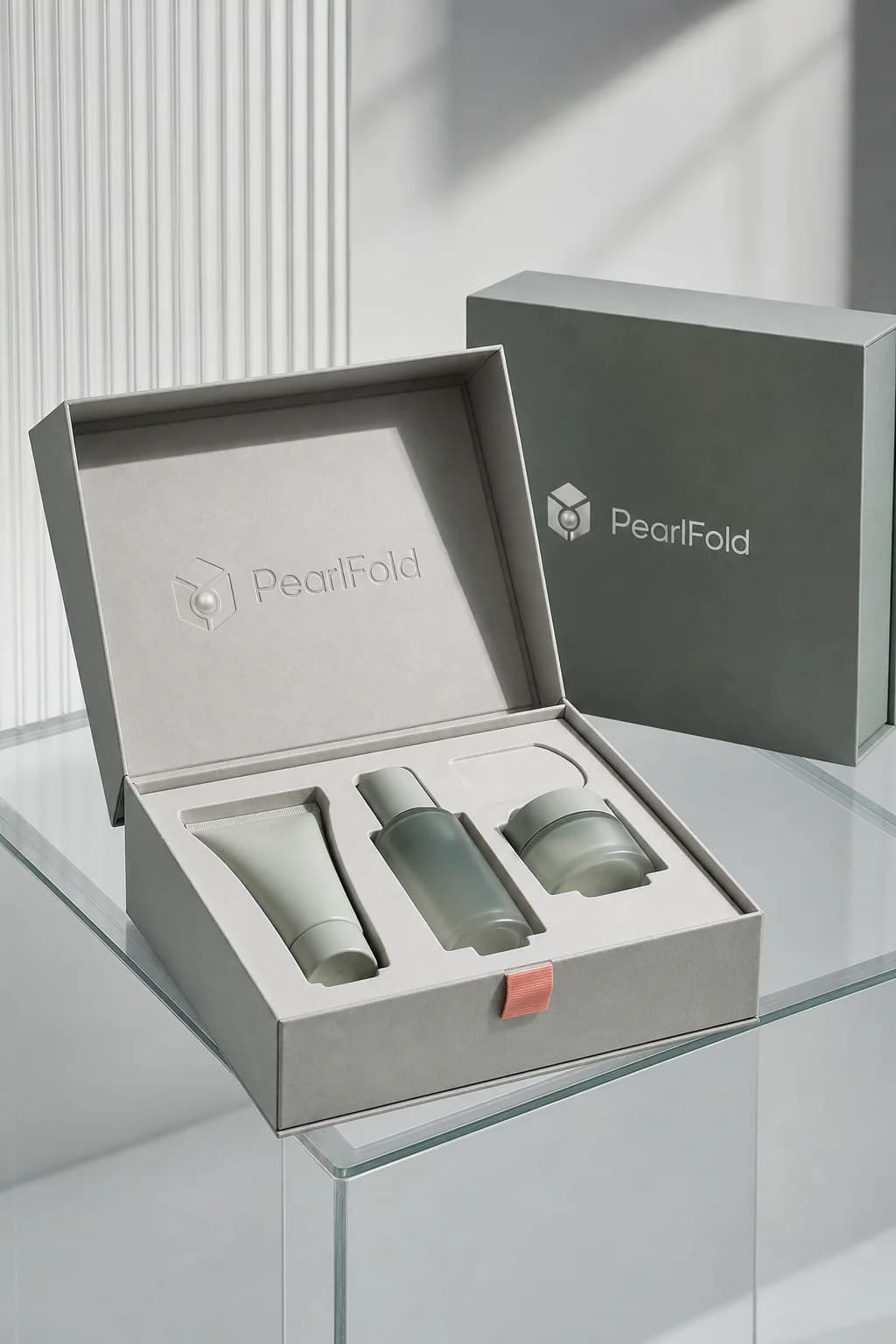
A box paired with a fitted interior that locates and supports the product.
An outer structure and an engineered insert planned as one system.
Multi-piece kits, fragile items, pumps, bottles, jars, and mixed materials.
Insert material, tolerances, removal access, product contact, and assembly.
Structural comparison
Use the ledger as a starting point. Final selection depends on the confirmed product, material, dimensions, and performance requirements.
| Structure | Primary role | Presentation character | Insert potential | Space and handling |
|---|---|---|---|---|
| Folding Cartons | Efficient protection and branding | Versatile | Often supplied flat | Flat-packed for efficiency |
| Tuck-End Boxes | Simple access and closure | Clean and familiar | Commonly flat | Efficient, panel-led |
| Sleeve Boxes | Added branding or reveal | Refined, layered | Tray slides through sleeve | Sleeve protects during transit |
| Window Boxes | Reveal the product | Product-forward | Depends on base structure | Window panel adds a component |
| Rigid Boxes | Substantial presentation | High-touch, premium | Retains assembled volume | Non-collapsible, more volume |
| Drawer Boxes | Controlled premium reveal | Elevated, deliberate | Tray slides from sleeve | More volume in transit |
| Two-Piece Boxes | Familiar premium protection | Classic, balanced | Lift-off lid | Retains assembled volume |
| Gift & Presentation Boxes | Gifting and storytelling | Brand-experience led | Varies by concept | Varies by chosen structure |
| Boxes with Inserts | Secure and organized presentation | Precise, considered | Depends on outer box | Insert adds material and assembly |
Structure selection
Share dimensions, materials, weight, fragility, and the customer experience the package needs to support.
Your input: product details and priorities.Review a focused set of practical structures against fit, protection, brand, storage, and packing needs.
Your input: feedback on options and priorities.Move the preferred direction into dimensions, panel planning, insert geometry, and the intended opening sequence.
Your input: approve fit and material direction.Review the appropriate digital proof or physical sample before the final specification is approved.
Your input: approve or request refinements.Product examples
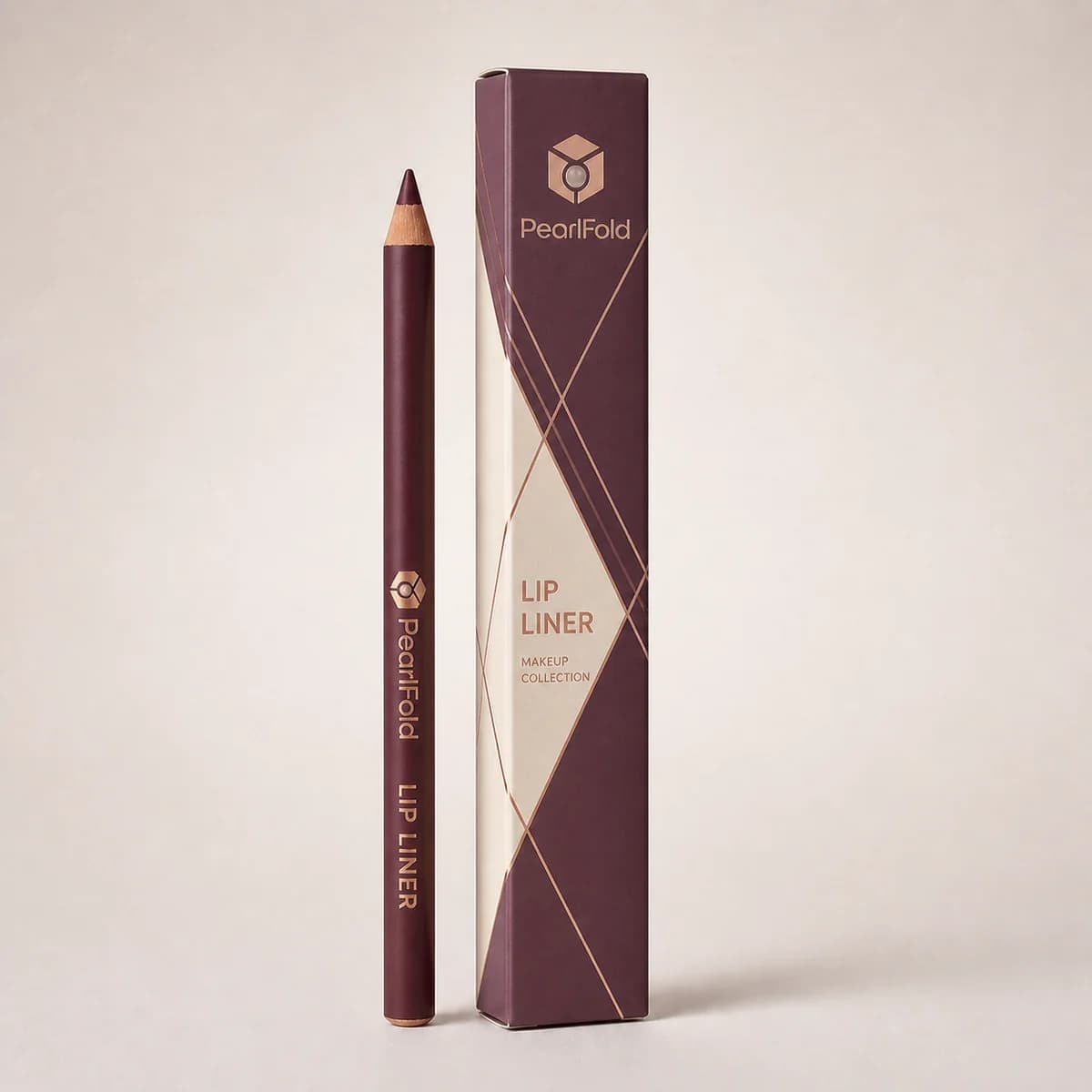
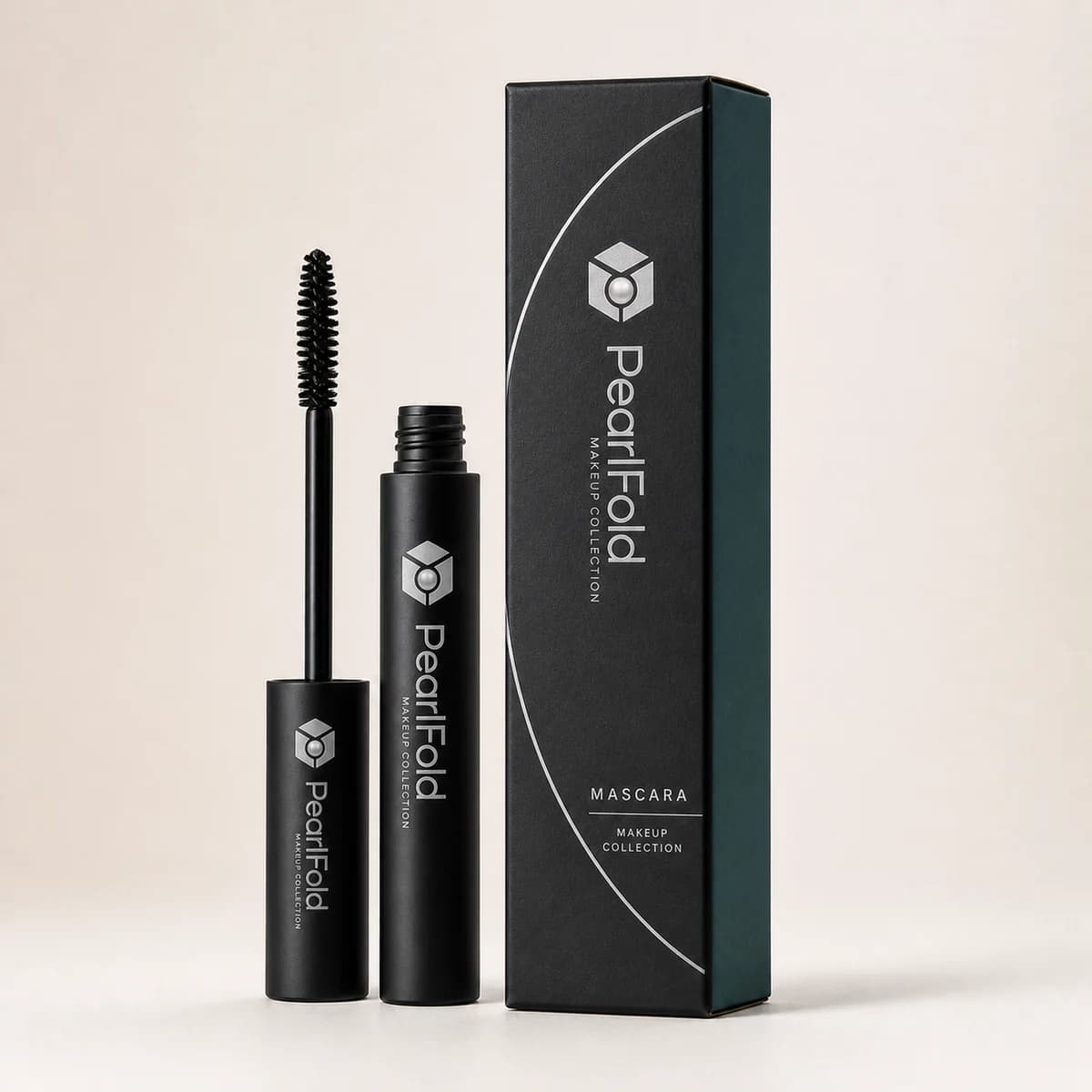
Explore real product formats assigned to the selected structure, then open the complete style archive when you need the full catalog.
View all folding cartons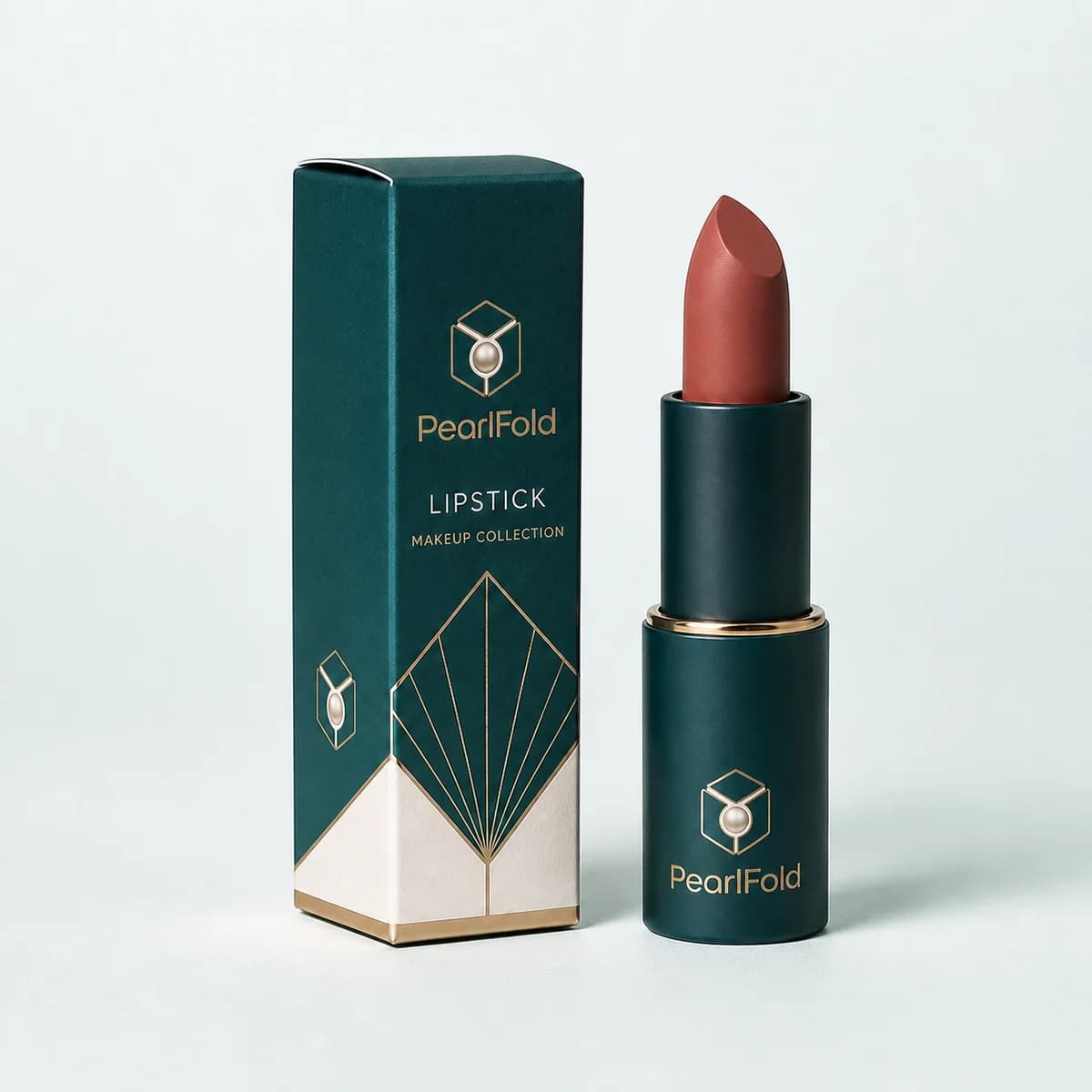


Frequently asked questions
Still have questions?
Start a custom quoteA box style is the structural format of a package: how its panels, lid, base, sleeve, tray, flaps, window, or insert are constructed and how the package opens. The right style depends on the actual product, packing method, protection needs, presentation goals, and approved specification.
Start with confirmed product dimensions, weight, fragility, orientation, sales channel, packing process, and desired opening experience. Compare only the structures that meet those requirements, then confirm the preferred direction through the appropriate dieline, proof, or sample.
Folding cartons use scored paperboard that folds into shape and is commonly supplied flat. Rigid boxes use thicker wrapped board and retain their assembled form. Folding cartons often suit efficient individual retail packaging; rigid boxes suit presentation-led sets and premium reveals when the extra structure supports the brief.
Consider an insert when the outer walls alone cannot control movement, organize multiple components, protect vulnerable areas, or create the intended reveal. Insert material and geometry must be reviewed with the finished product and outer box as one system.
Yes. A product may use a folding carton for everyday retail and a rigid, drawer, or presentation box for a gift set or launch format. Each version should have its own approved dimensions, materials, artwork, insert plan, and packing requirements.

Build the right structure
Talk with our team about box structures, materials, inserts, and finishes that fit your brand and project brief.
Get a Custom Quote