Folding cartons
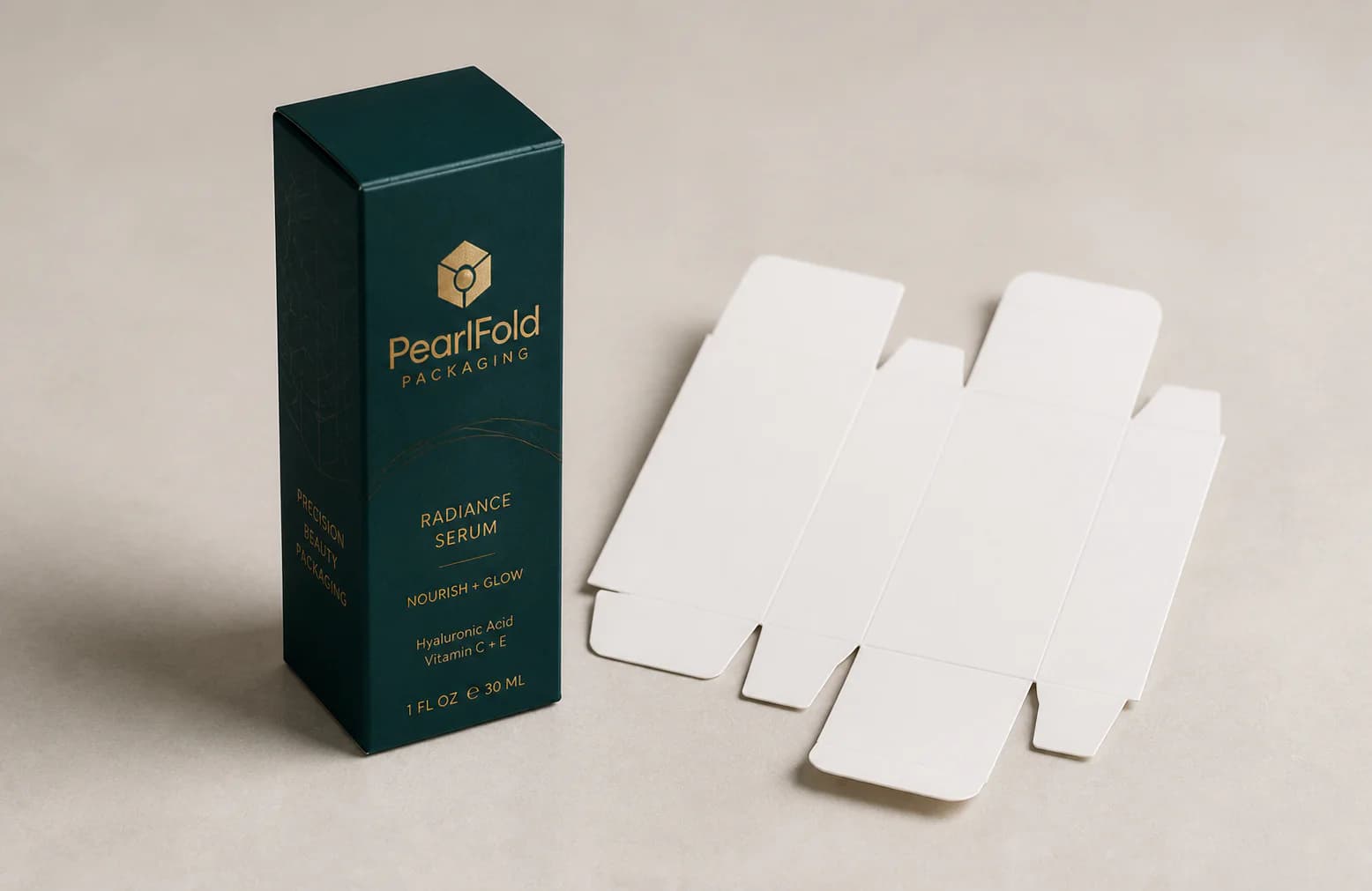
Versatile folded-paperboard structures for skincare, cosmetics and personal-care products.

- Serums, creams and oils
- Small to medium bottles
- Retail-ready product ranges
Packaging dielines & templates
Accurate packaging dielines and templates help teams design with confidence, reduce avoidable revisions and move from concept to production more smoothly. Choose a proven structure or request a custom dieline built around the product.

Technical clarity
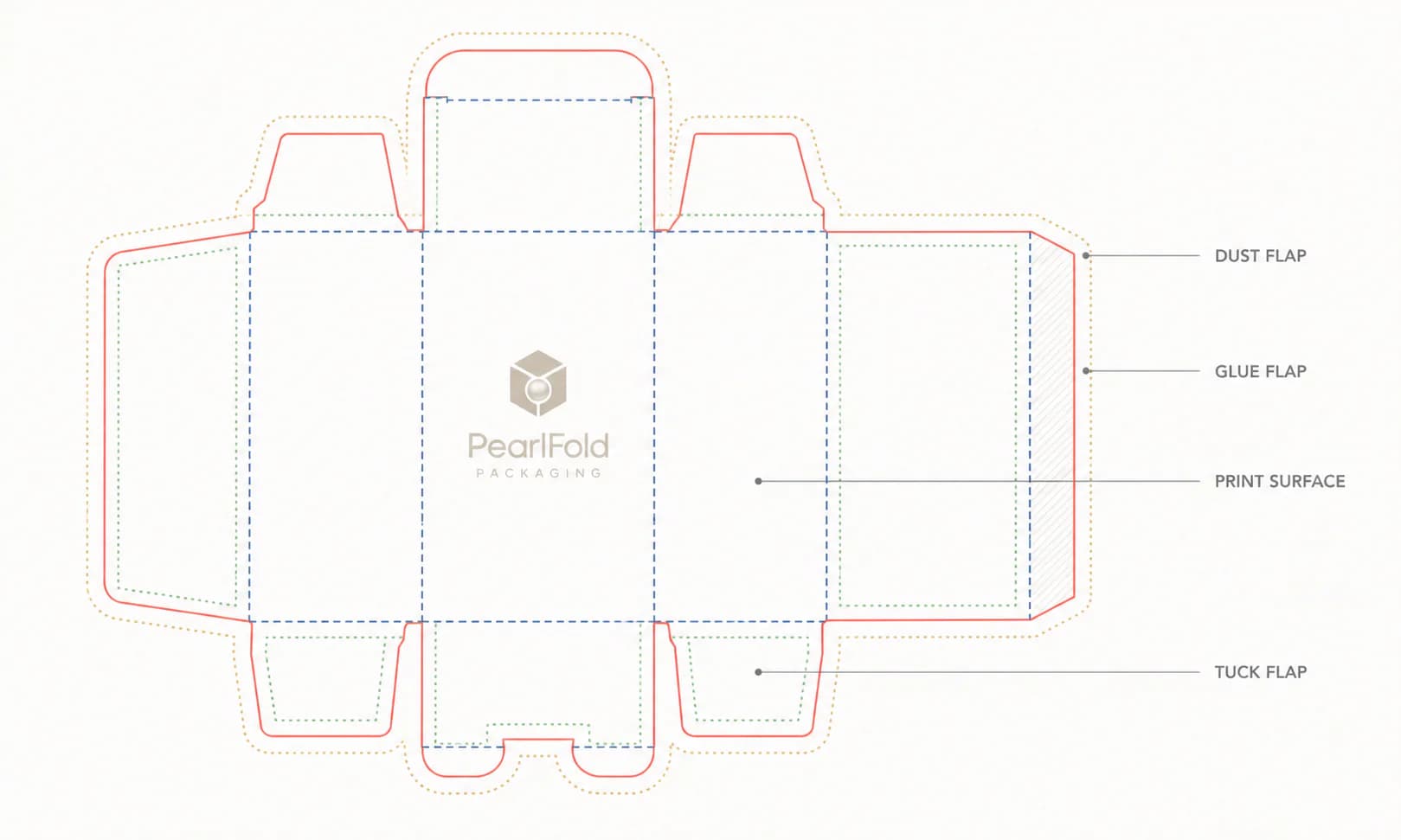
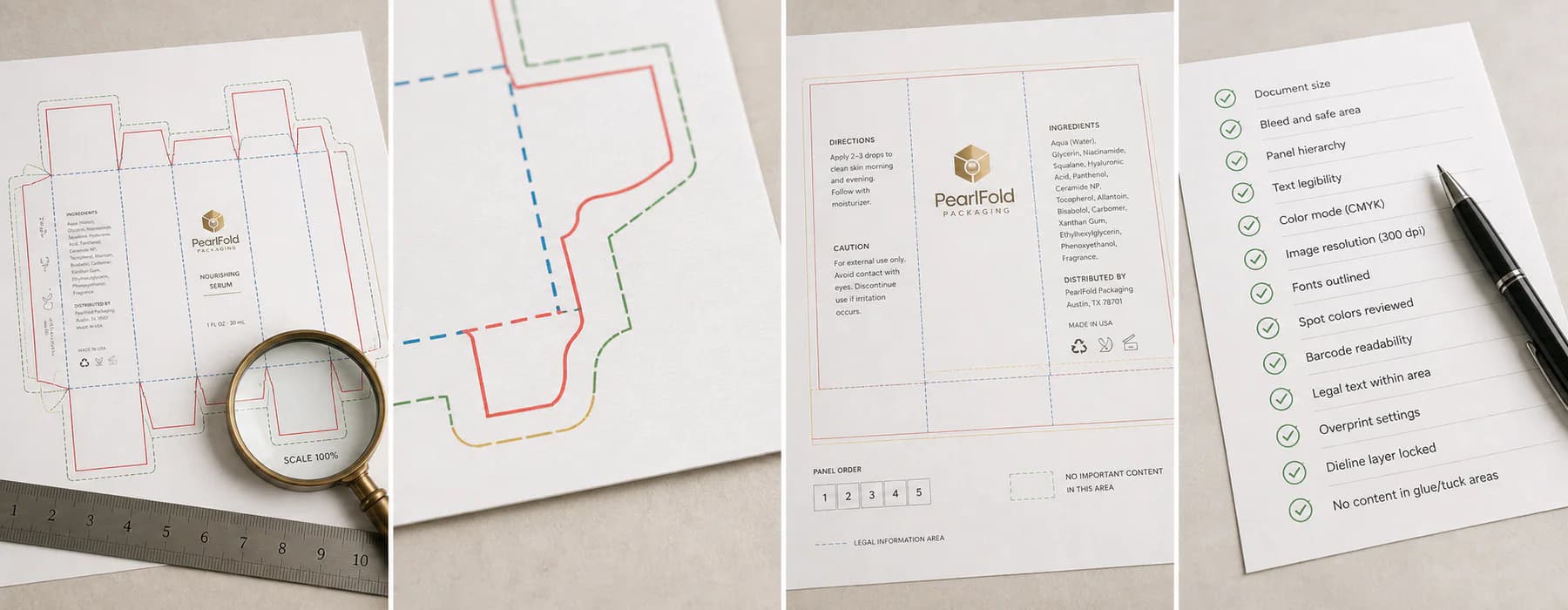
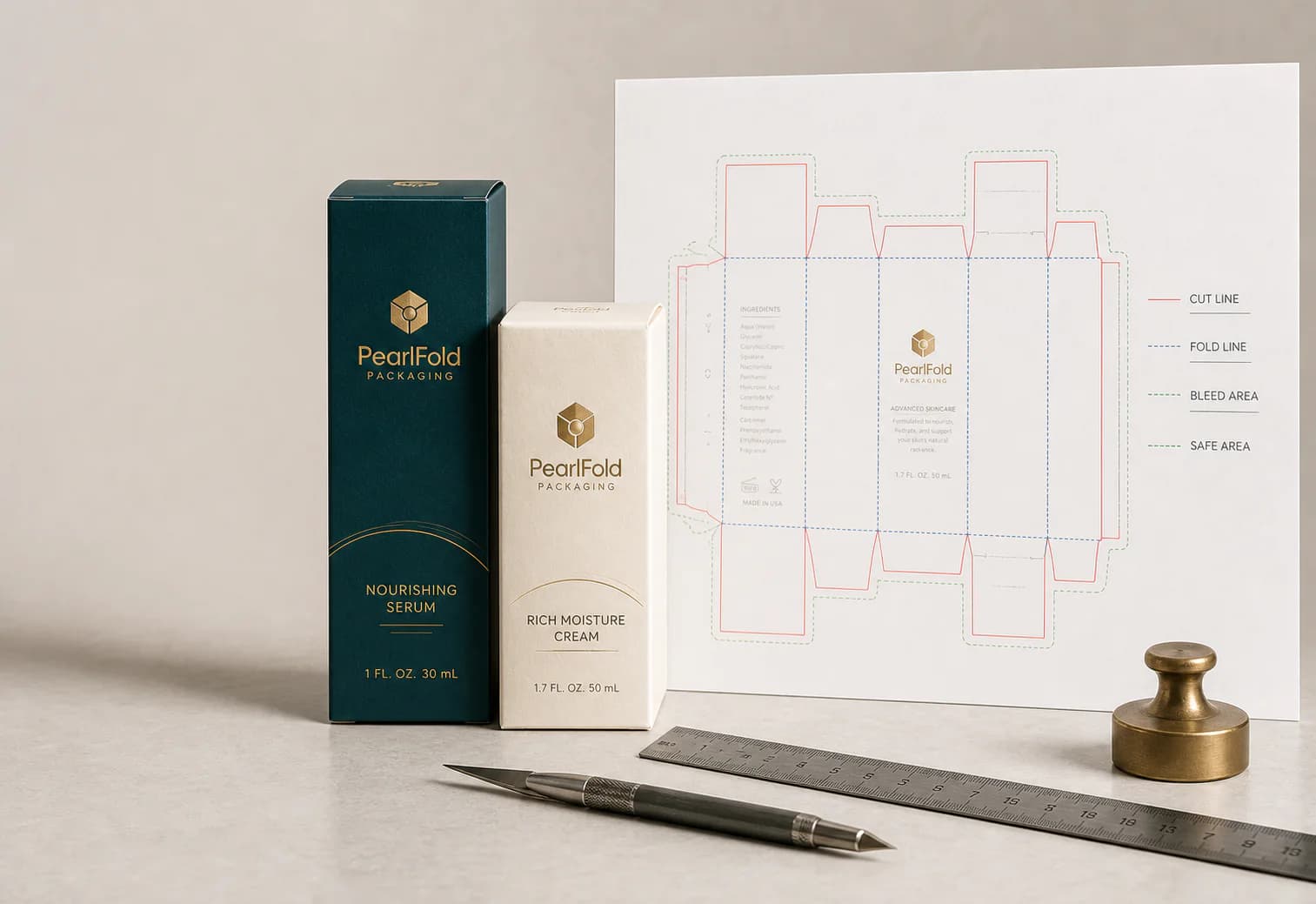
A dieline is the technical blueprint for the package. Each line communicates how the board is cut, folded and assembled, and where artwork should remain protected.

Template library
Templates are starting points. Final production dielines should be confirmed against the approved dimensions, material and construction.
Versatile folded-paperboard structures for skincare, cosmetics and personal-care products.

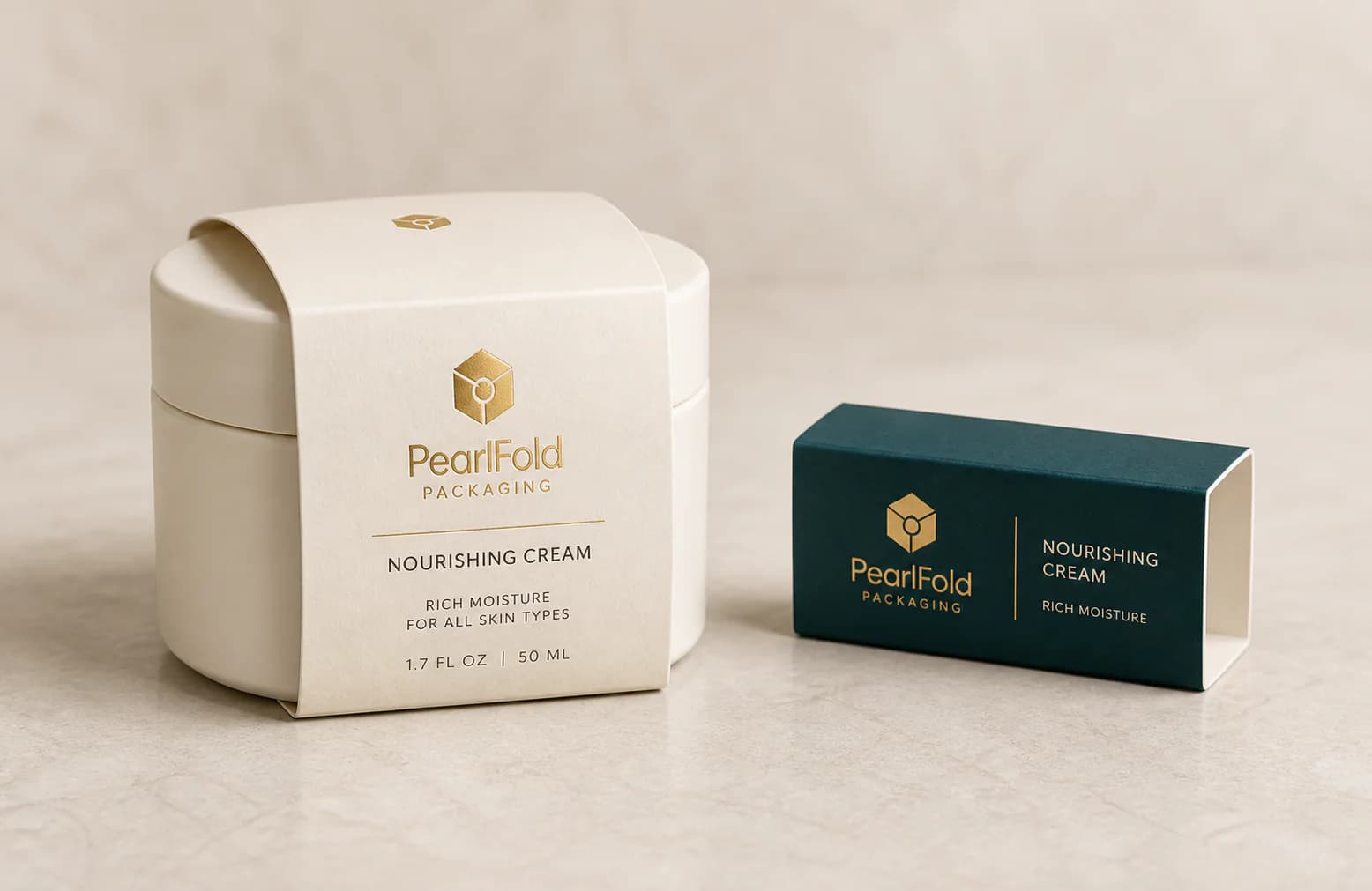
Printed outer layers that introduce brand information without replacing the primary container.

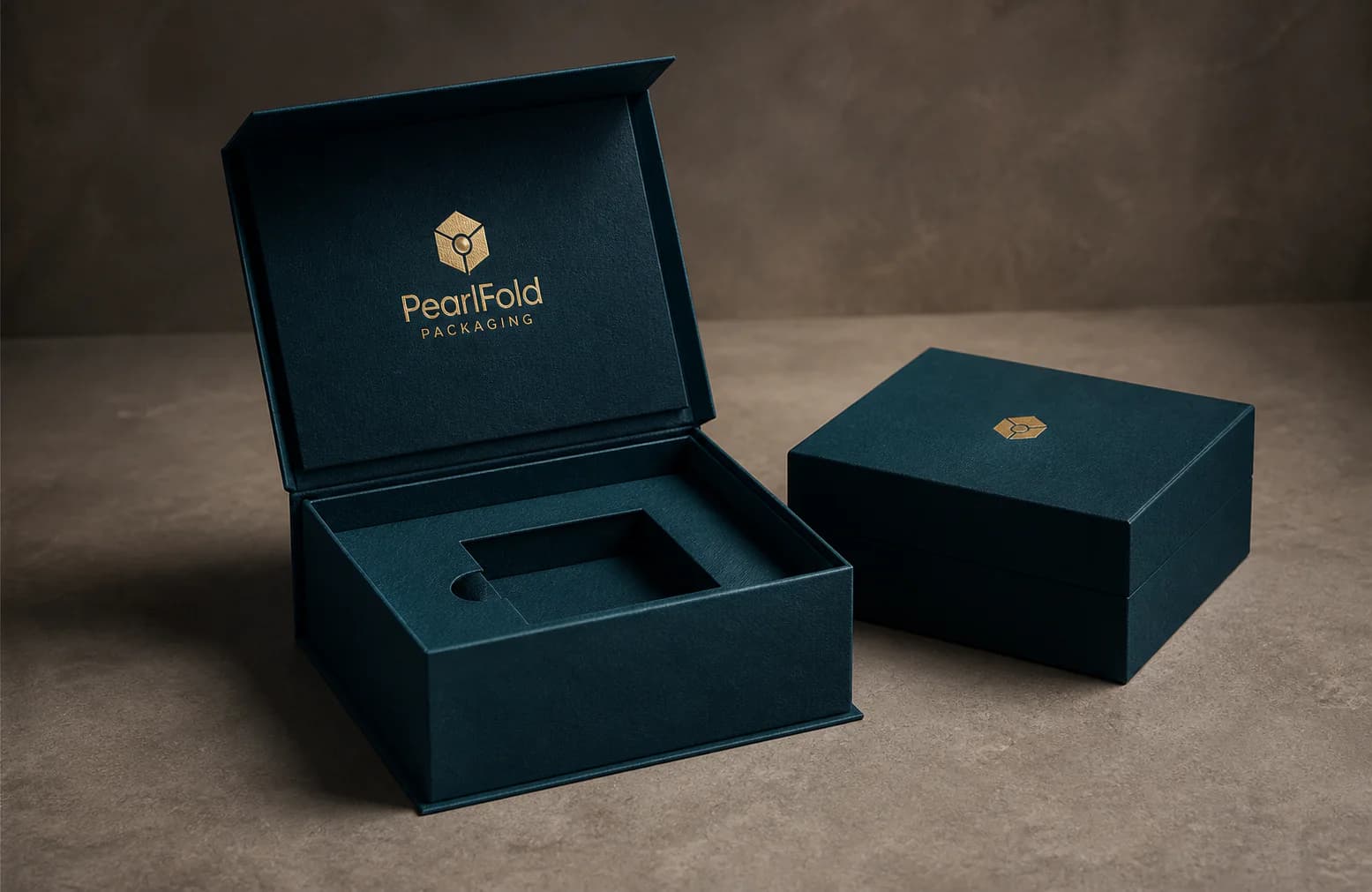
Substantial formats for sets, launches and products that need a considered reveal.

Stock template or custom dieline?
Artwork setup
Use the approved dieline at 100% scale. Do not stretch, rotate or resize the structural file.

Extend backgrounds through the bleed and keep critical copy inside the confirmed safe area.

Organize the front, side and back panels so content follows the intended opening and reading order.

Check line visibility, fonts, linked images, color setup, overprint and every panel before export.

File preparation
Use these checks to support a smooth prepress review and a clear proofing conversation.
Frequently asked questions
A packaging dieline is the flat technical drawing that maps the cuts, folds, panels, flaps, glue areas, bleed and safe zones of a specific package. Final artwork should follow the approved dieline for the confirmed structure and dimensions.
A generic template can support early exploration, but it should not be treated as the production file. Panel proportions, closures, tolerances and manufacturing allowances can change when dimensions or construction change.
Working requirements depend on the project, but vector artwork, linked high-resolution images, clearly named color and finish layers, and a reference PDF create a useful starting point. Confirm the requested handoff format before submission.
A custom dieline is appropriate when the product, dimensions, opening, insert, presentation or functionality cannot be supported reliably by an approved existing structure. The final direction should be confirmed against the actual project specification.

Next step
Share the product, dimensions and current artwork status so the structural and prepress requirements can be reviewed in context.