
Custom beauty packagingMade for your productPremium print and finishesServing U.S. brands
Custom beauty packaging
Cosmetics & Makeup Packaging
Custom cosmetics and makeup packaging for U.S.
Explore products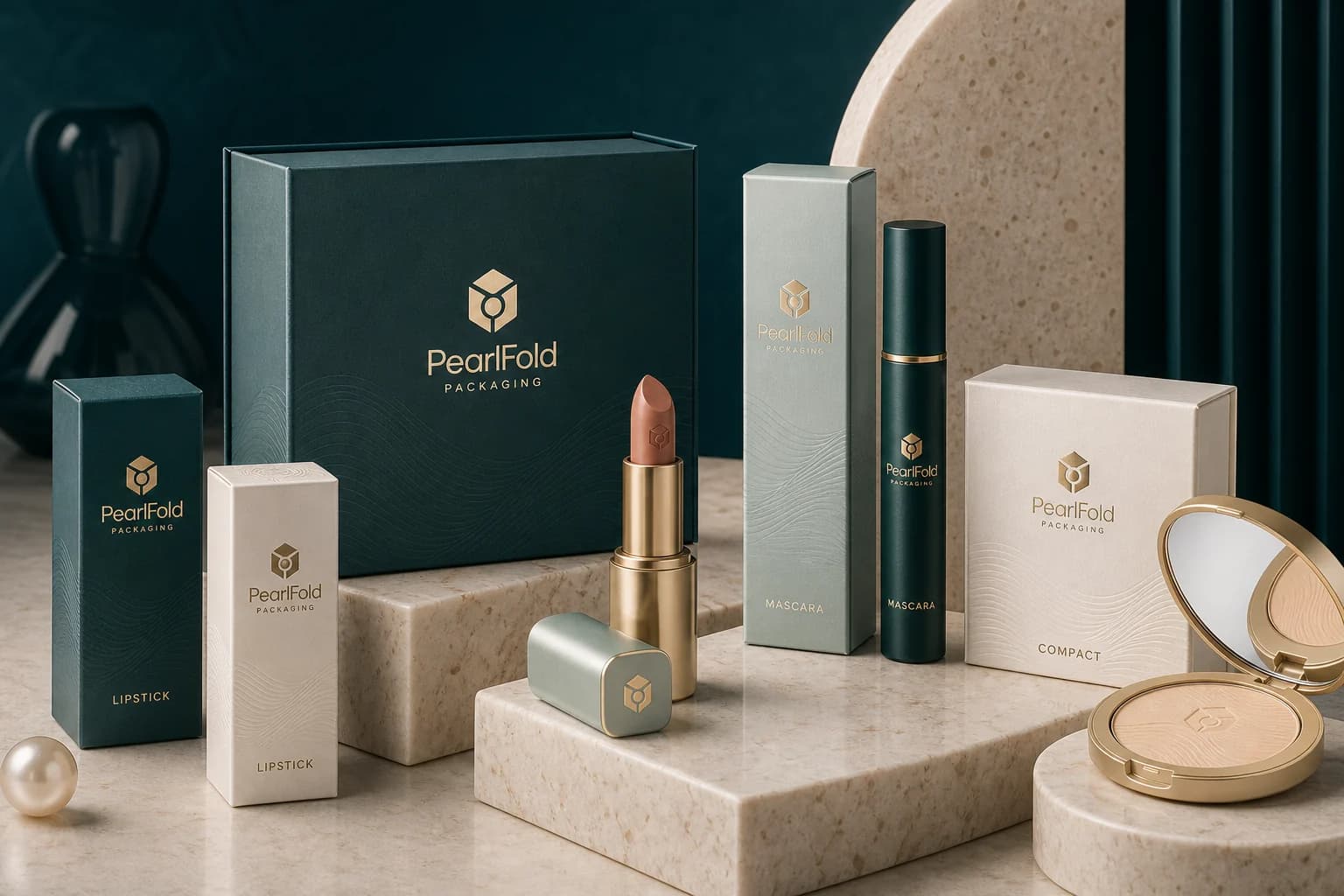
Explore product categories
Explore more product families
Compare related beauty and personal-care categories without leaving the PearlFold packaging catalog.
Shop the collection
Cosmetics & Makeup Packaging products
Explore custom products within the cosmetics & makeup packaging collection.
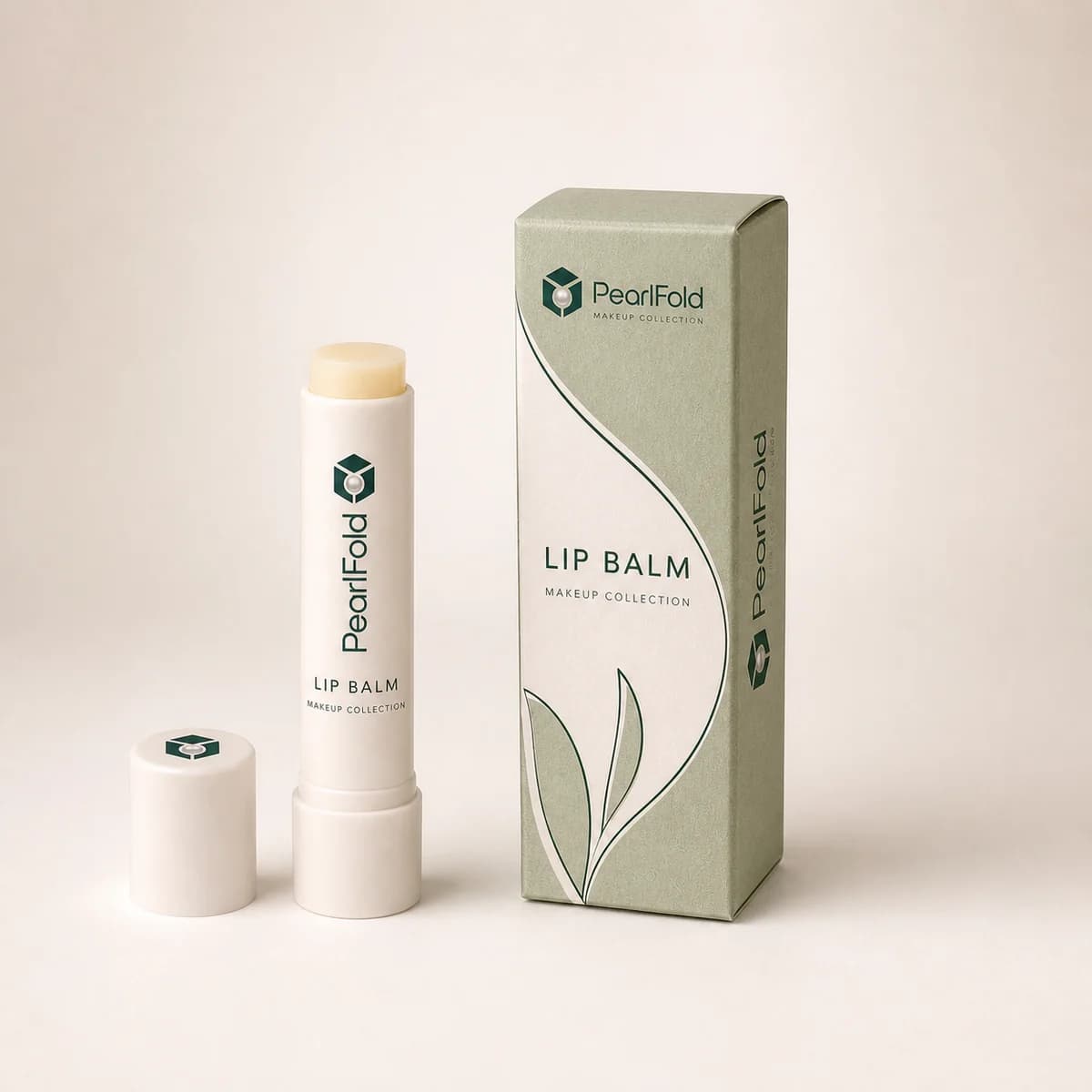
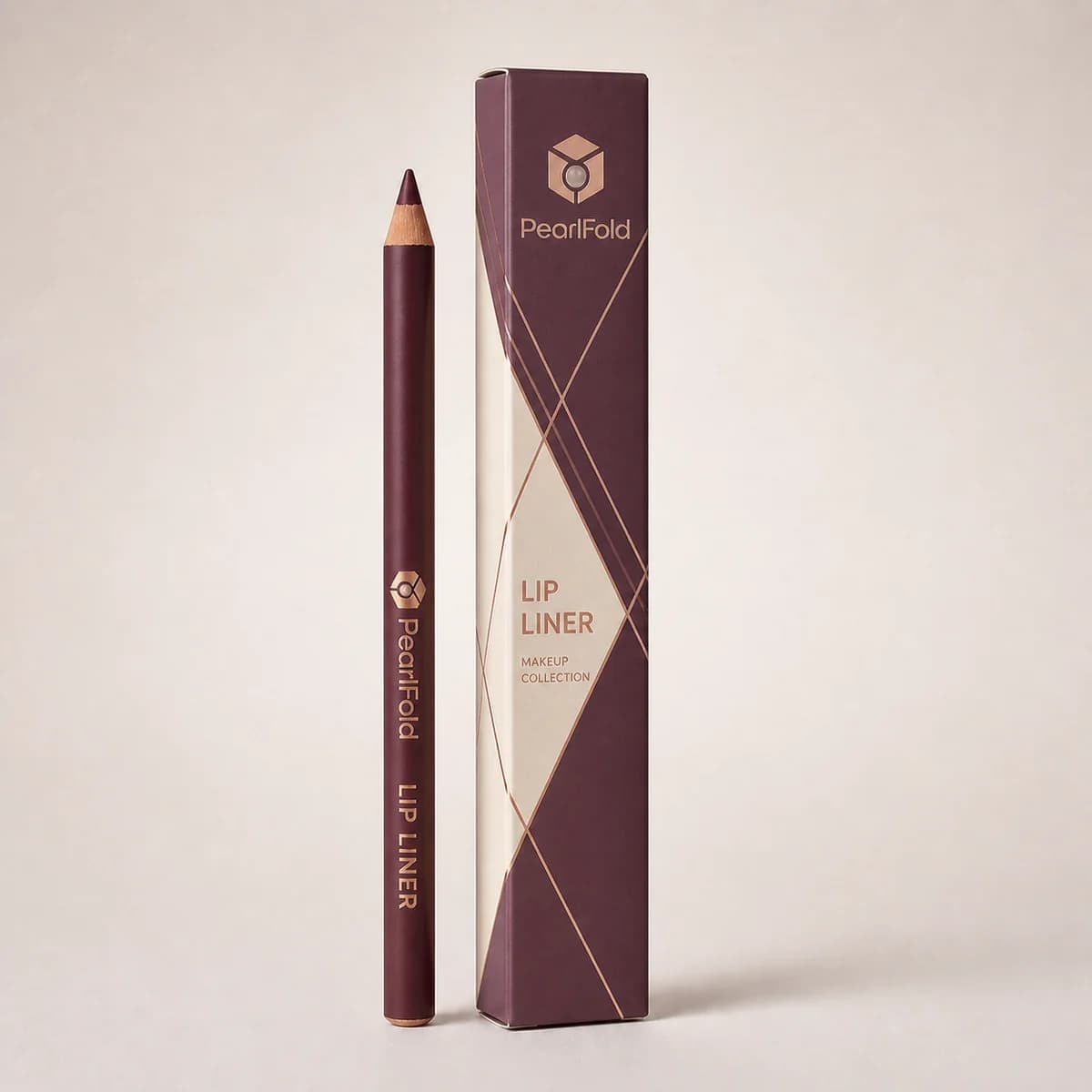
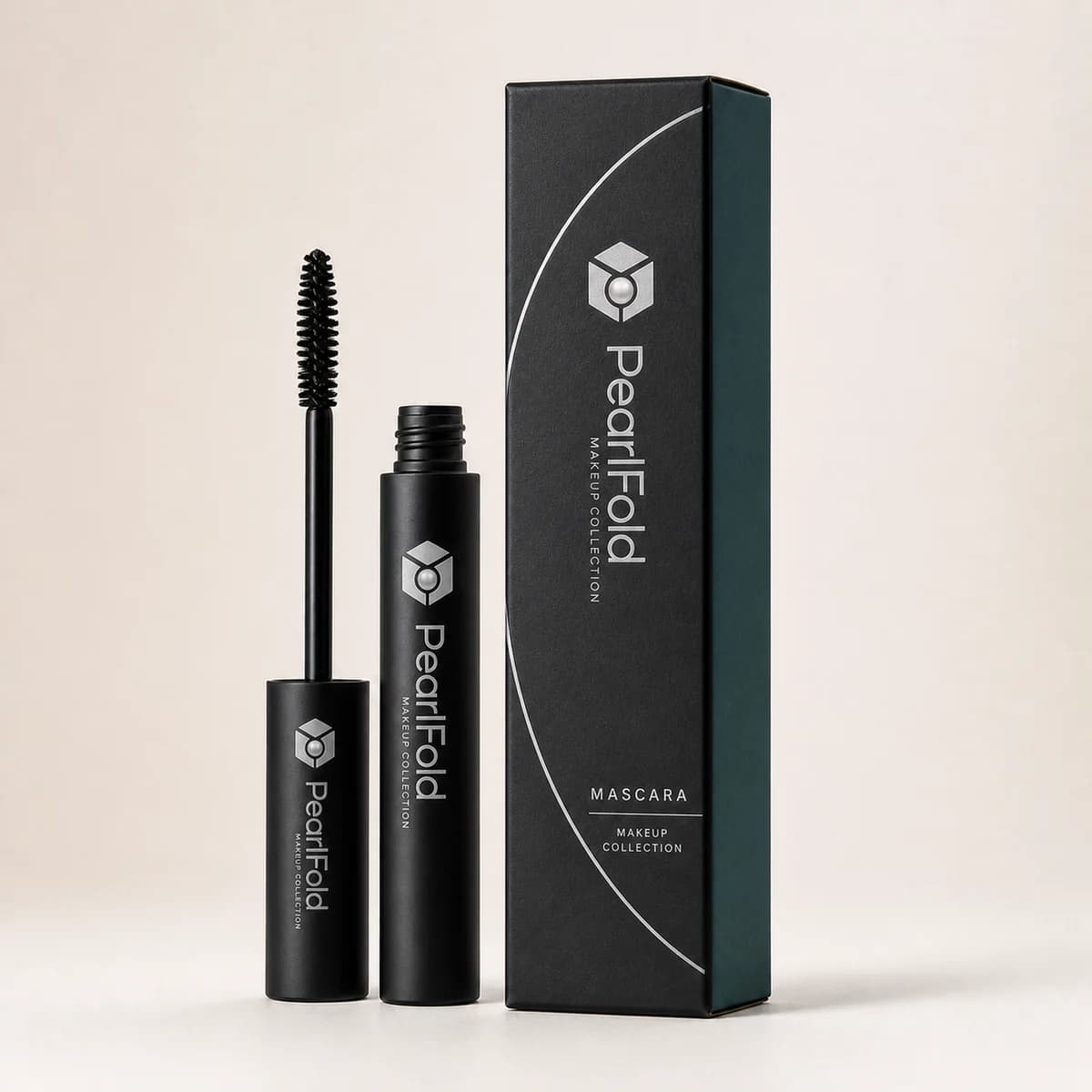
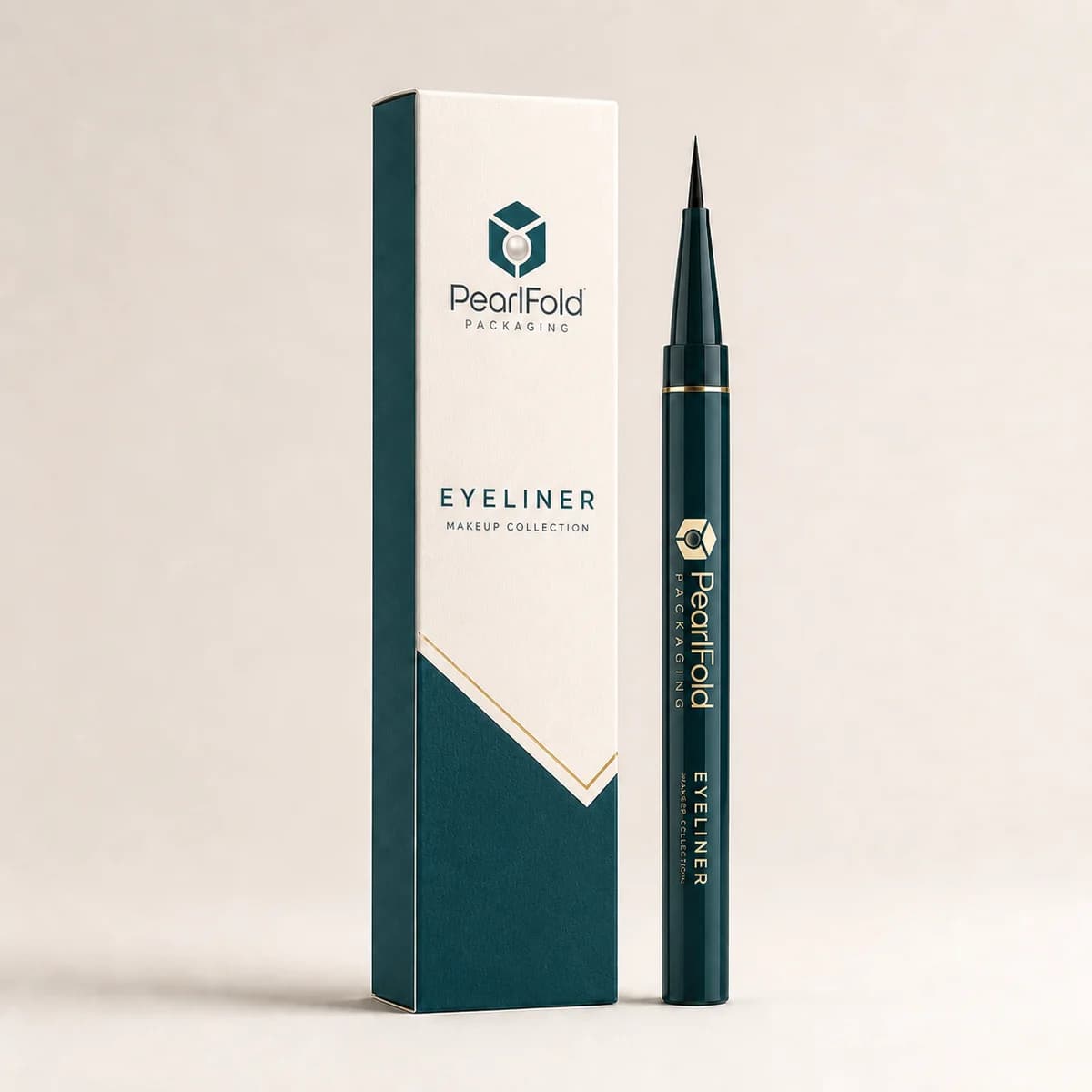
More products load as you scroll
Category buying guide
How to plan cosmetics & makeup packaging
How should custom cosmetic packaging be planned?
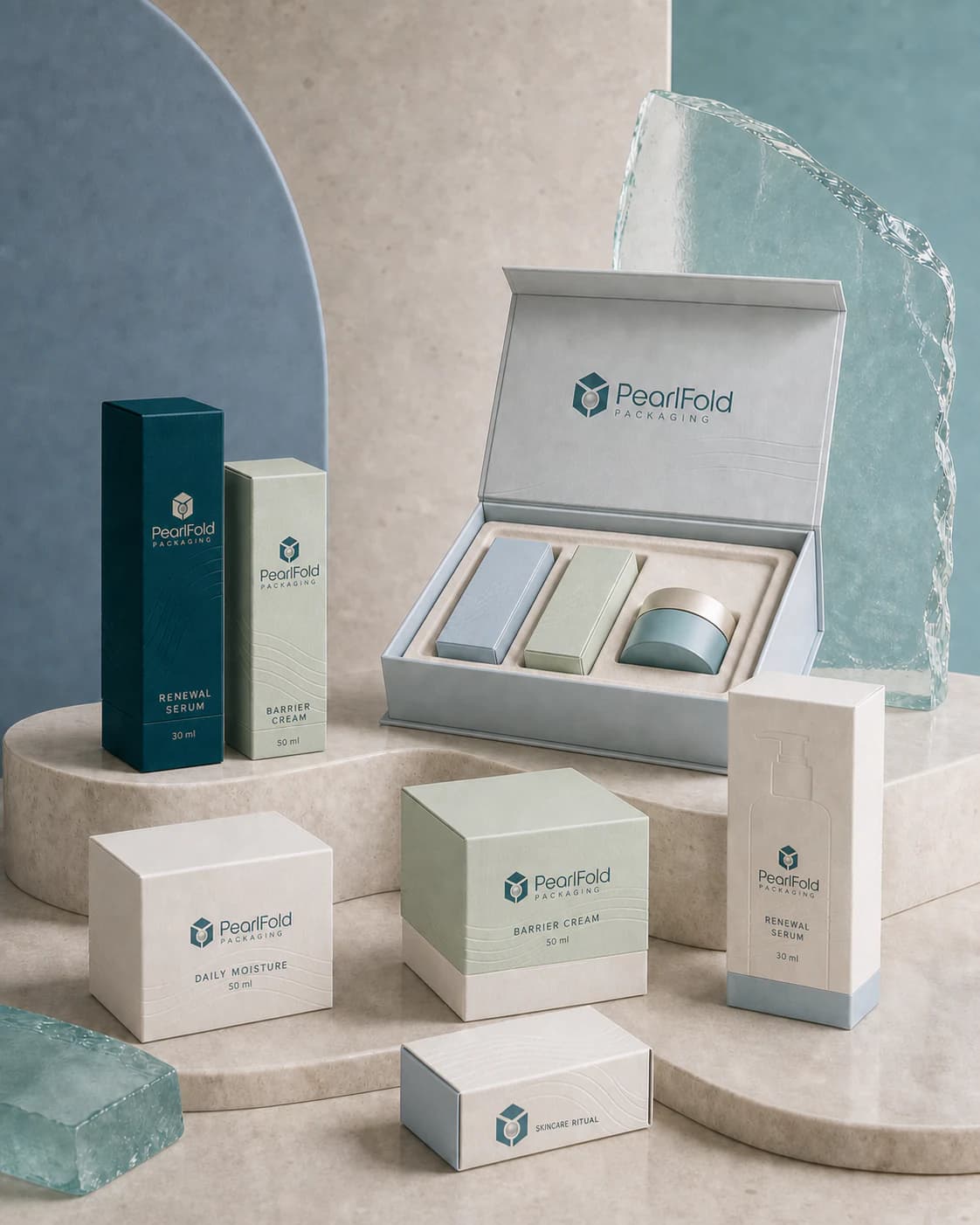
Cosmetics packaging has to make many small but important distinctions visible. A lipstick, mascara, compact, palette, foundation bottle, nail polish bottle, brush set, and beauty tool each presents a different structural problem, yet the complete range should still feel like one brand. PearlFold develops custom cosmetic boxes around the product format, container dimensions, retail presentation, and the visual system that connects the collection.
The strongest cosmetics ranges are easy to scan. Customers should be able to recognize the brand, identify the product type, understand the variant, and see how the item relates to the rest of the collection. That clarity begins with a thoughtful information hierarchy and a carton structure that gives the artwork enough room to work. It is then reinforced through consistent proportions, color logic, typography, and carefully selected finishes.
Match the carton to the cosmetic product
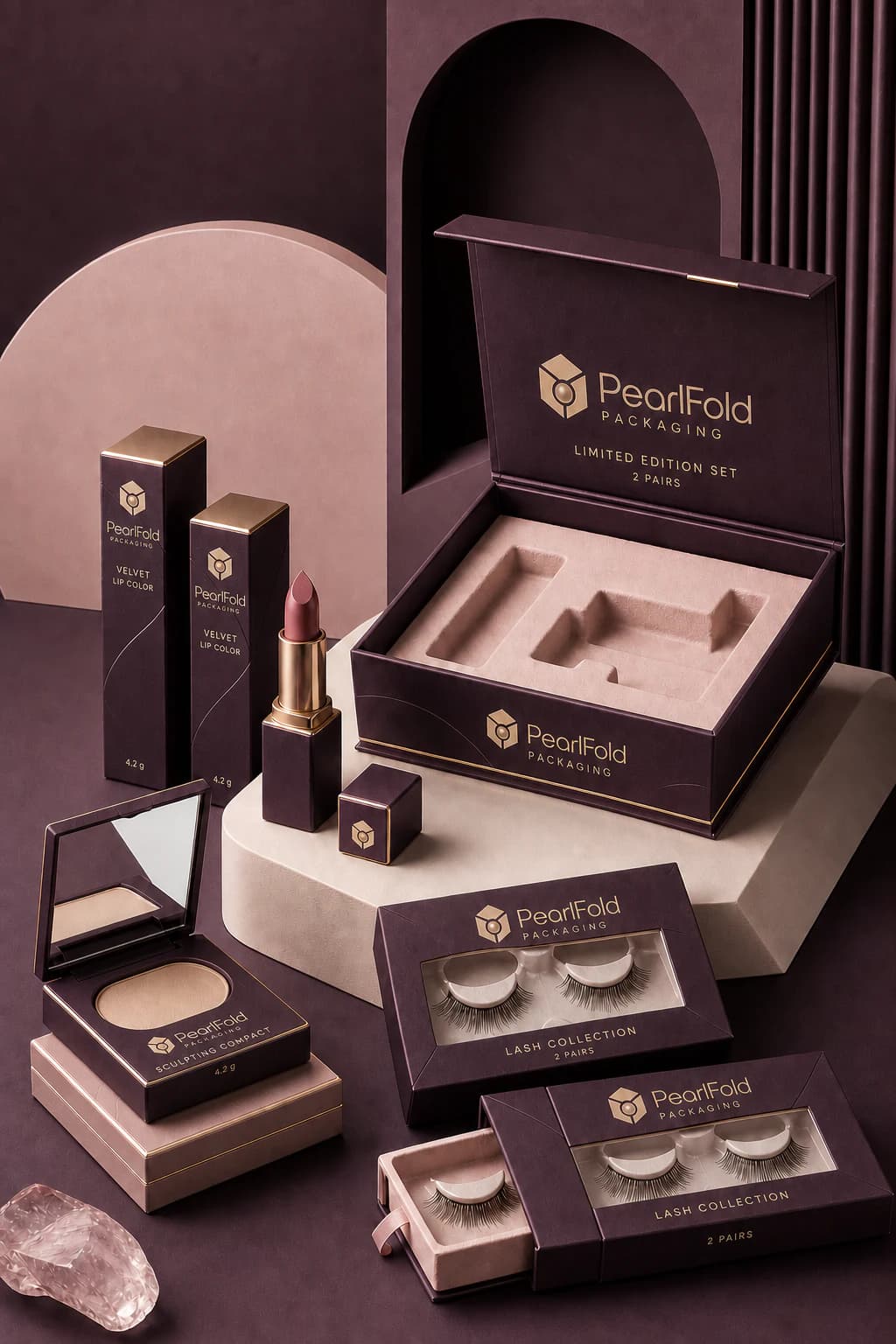
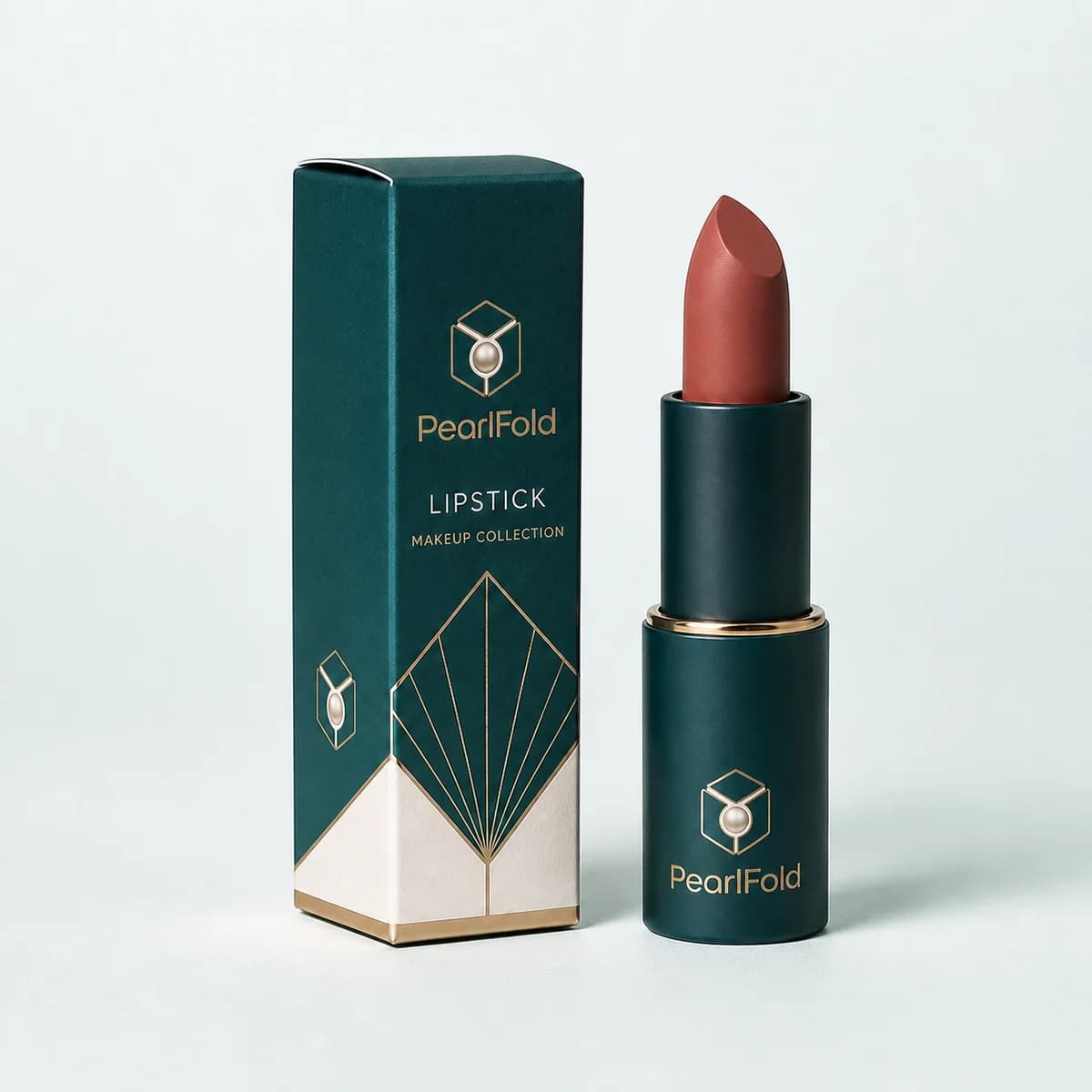
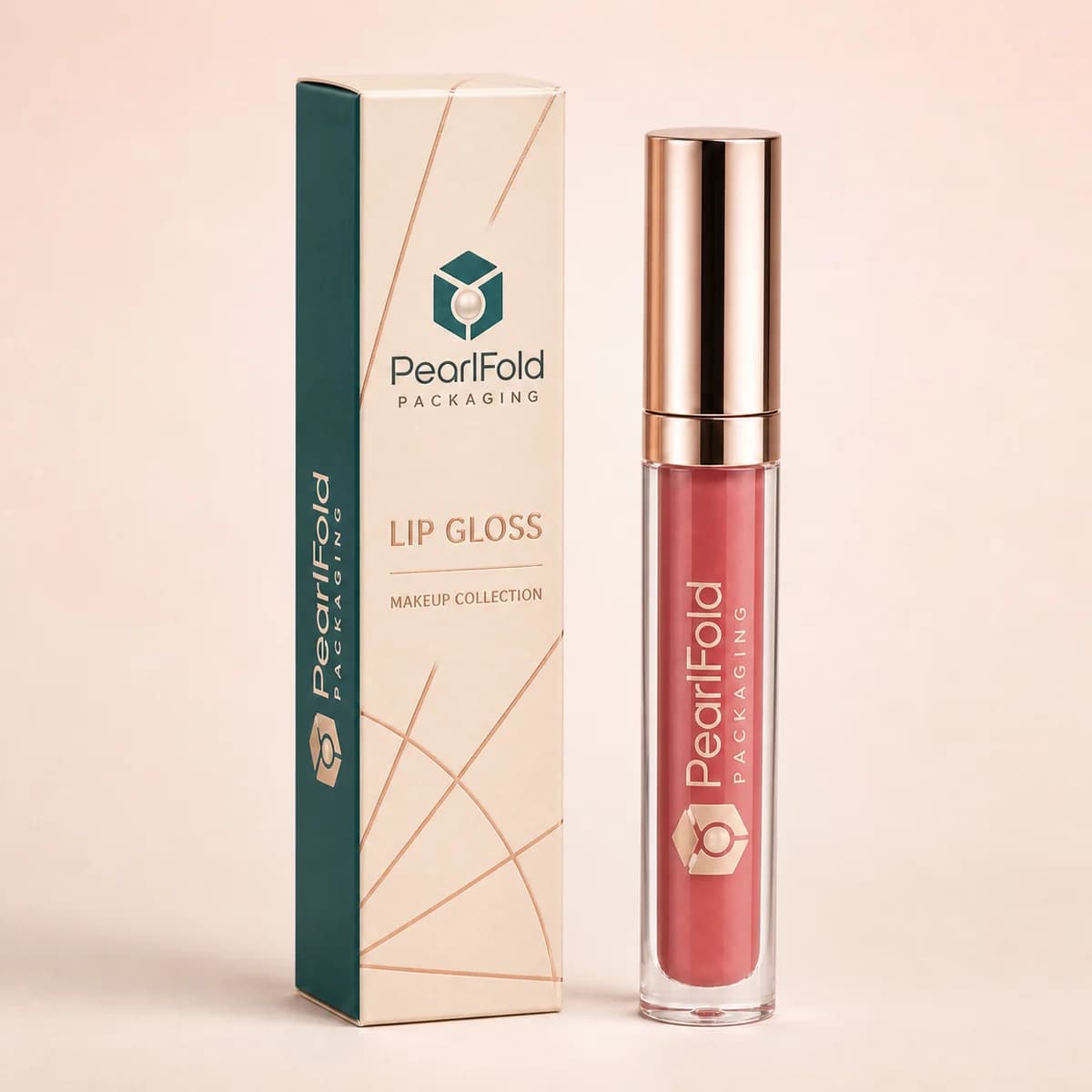
Long narrow cartons can suit lipstick, lip liner, mascara, eyeliner, and similar formats, while foundations, primers, powders, blushes, bronzers, and highlighters may require different depths and opening arrangements. Palettes and tool sets can call for wider presentation structures or inserts. Folding cartons are relevant to many individual products, while rigid boxes, sleeves, drawers, and two-piece formats can support kits, gifts, launches, or coordinated sets.
Proportion is not only a visual choice. It influences how the product sits inside the package, how the front panel reads, and how the carton behaves when opened and handled. The approved container dimensions should guide the dieline. When a collection contains several related products, comparing their structures together helps avoid awkward differences that could make the range appear disconnected.
Create a cosmetics range that can expand
Makeup collections often grow through new shades, formulas, formats, and limited groupings. A flexible packaging system gives those additions a recognizable home. The system may use one consistent grid with controlled color changes, or several product-family layouts connected by a shared brand position and typographic logic. The right approach depends on how customers shop the range and how much information each product must carry.
Variant color can be useful, but it should not be the only signal. Product names and format labels need sufficient contrast and consistent placement. Small cartons should avoid compressed type and unnecessary decorative copy. Larger palettes or sets can introduce more visual space, but they still benefit from the same disciplined reading order used across the smaller products.
Use inserts where they improve presentation and fit
Cosmetic tools, compacts, bottles, and multi-item sets may benefit from an insert that positions the product and organizes the reveal. The insert should be planned with the outer structure, not added after the box artwork is finished. Its thickness, opening, product clearance, and relationship to the lid can change the overall dimensions and the way the customer first sees the item.
A well-considered set box can arrange a hero product with supporting items without making the interior feel crowded. For a single compact or bottle, a simpler support may be more appropriate. PearlFold considers paperboard, rigid-board, or molded-paper directions according to the approved brief. No one insert material or construction is assumed for every product.
Make finishes support the brand rather than compete with it
Cosmetics packaging offers many opportunities for tactile and reflective detail. Foil can emphasize a mark or product name, embossing can add controlled depth, debossing can create a quieter tactile signal, and selective gloss can contrast with a matte surface. These effects are most effective when their purpose is clear. A focused finish strategy generally produces a more premium result than applying decoration to every available area.
The base paper and ink coverage also influence the final character. A warm uncoated surface feels different from a smooth coated board; a deep solid field requires different visual decisions than a pale minimal carton. Final choices should be reviewed against the structure, artwork, and project requirements so the materials and finishes behave as one system.
Plan artwork for the complete carton
The front panel attracts attention, but the side, back, top, and opening panels complete the experience. Brand elements, approved product copy, and any required information need deliberate positions that account for folds and seams. Artwork should remain readable at the actual carton size, not only when enlarged on a design screen.
PearlFold does not create unsupported ingredient, performance, certification, or compliance claims. Brands should provide approved copy and obtain any professional review required for their product and market. The packaging design can then focus on presenting that information clearly and consistently.
Explore makeup packaging by format
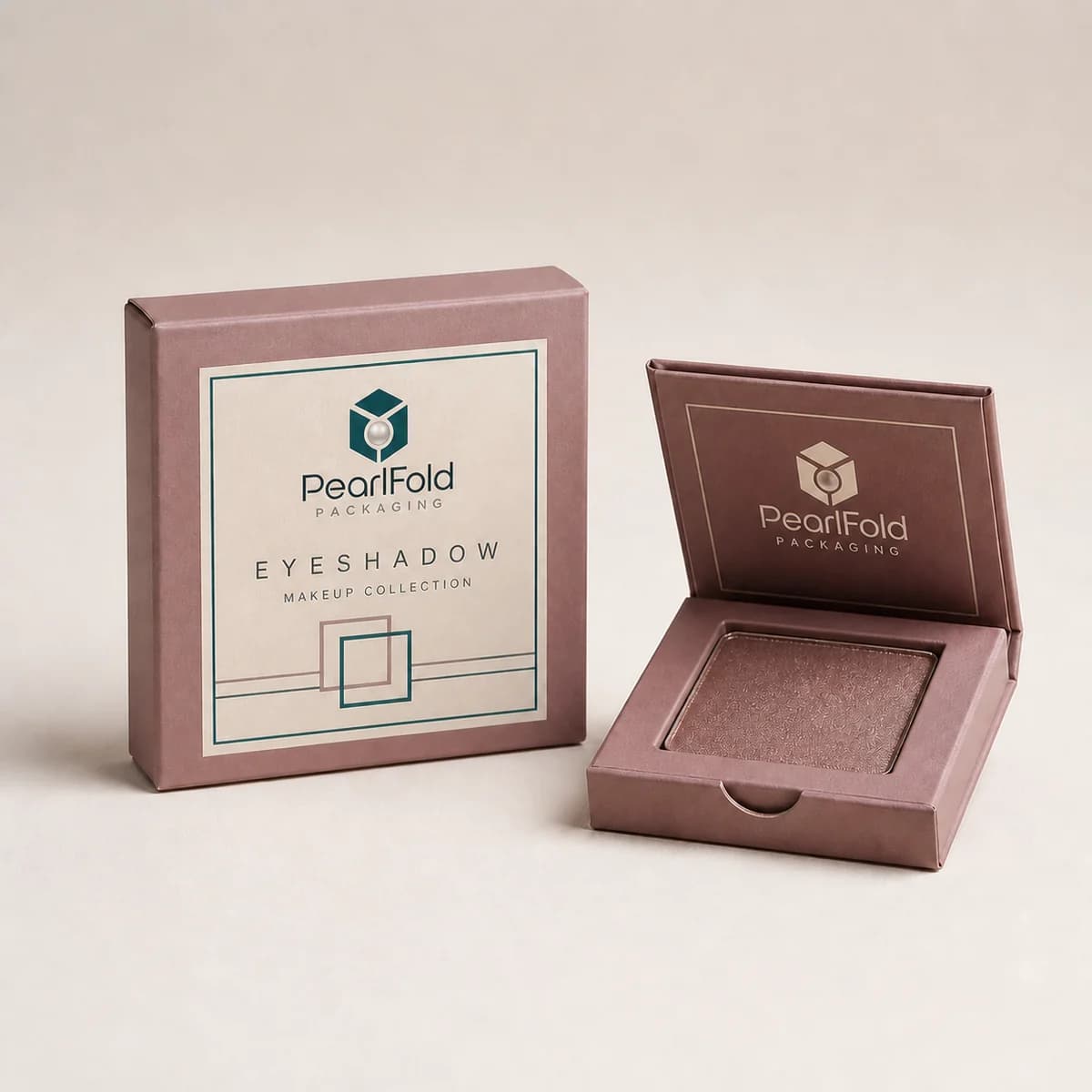
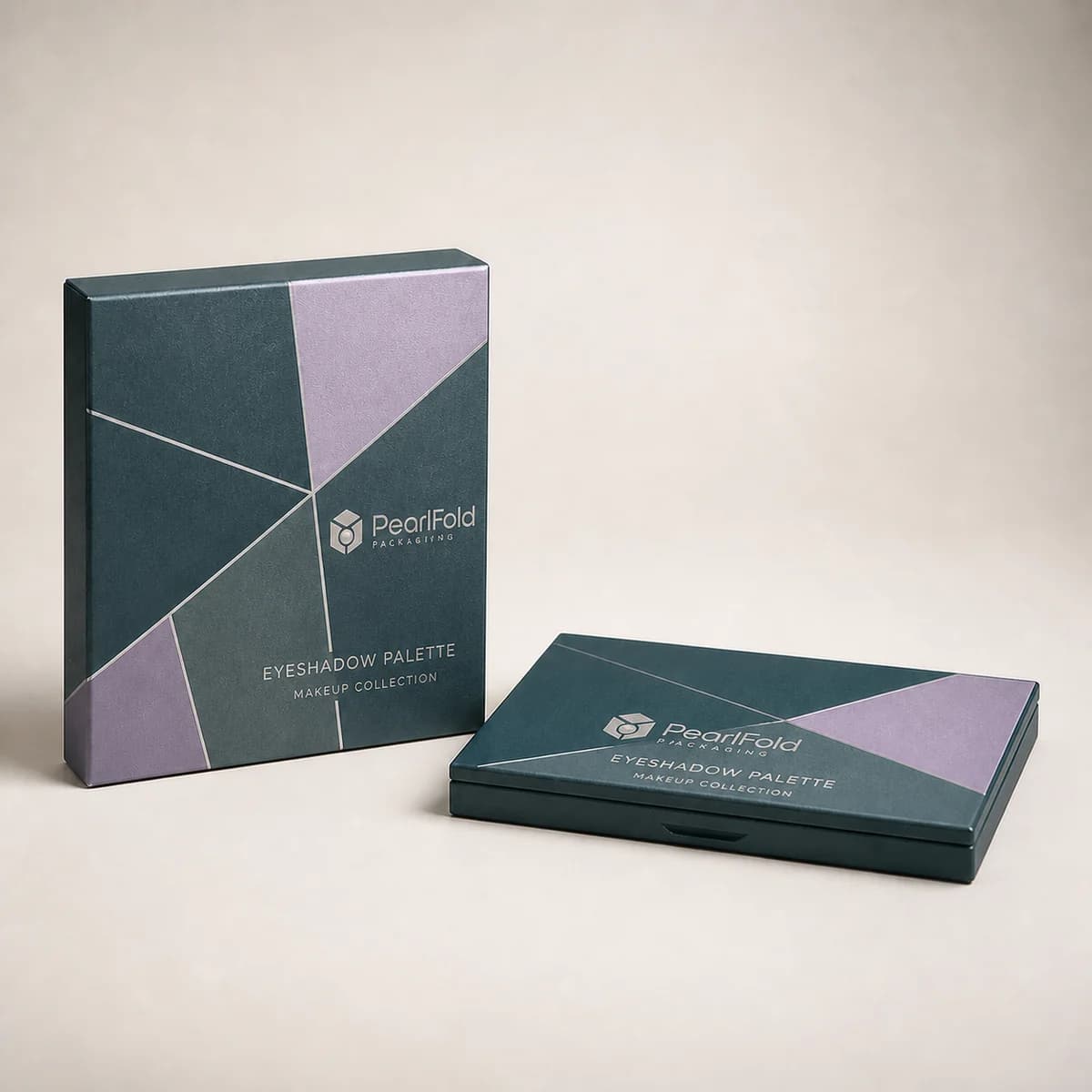
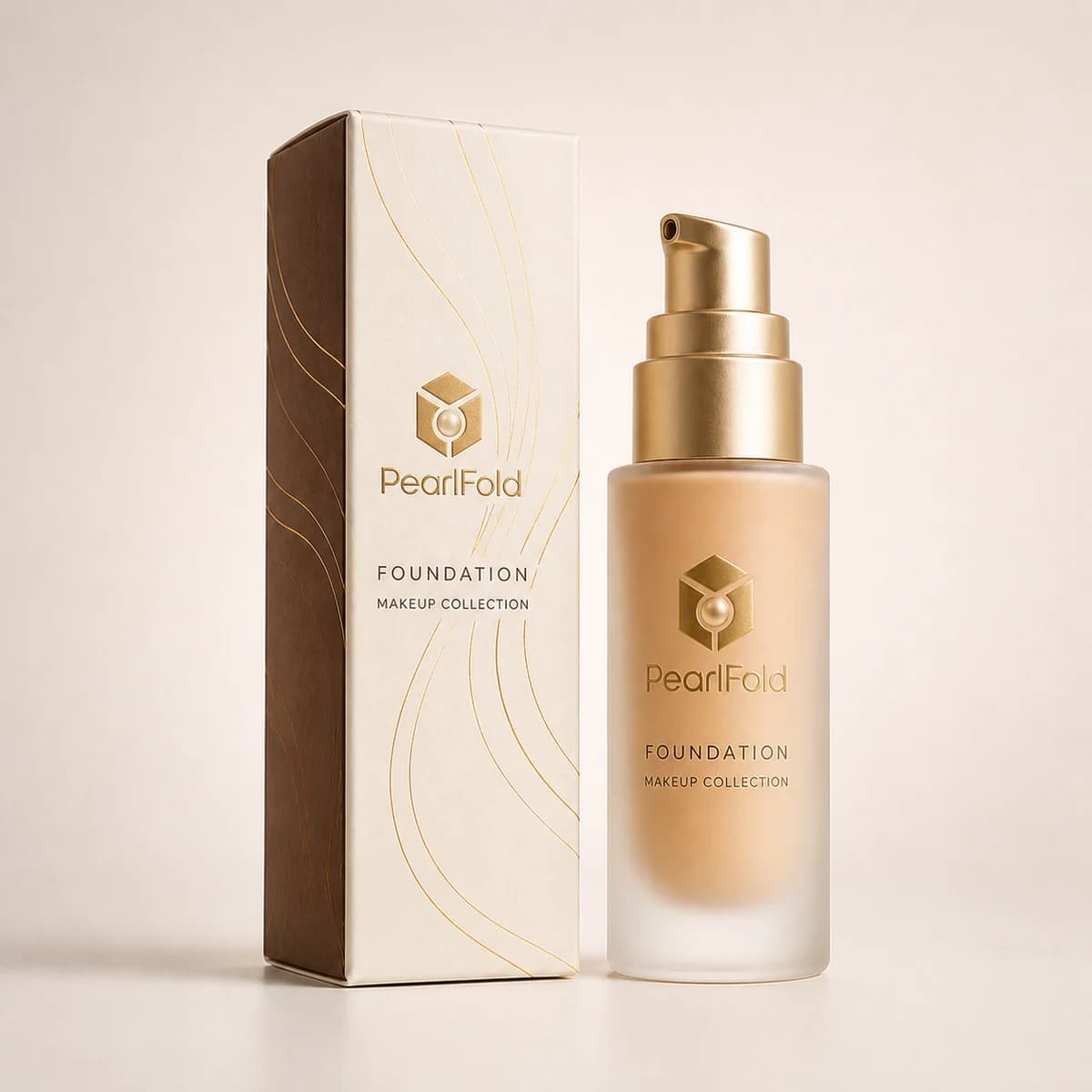
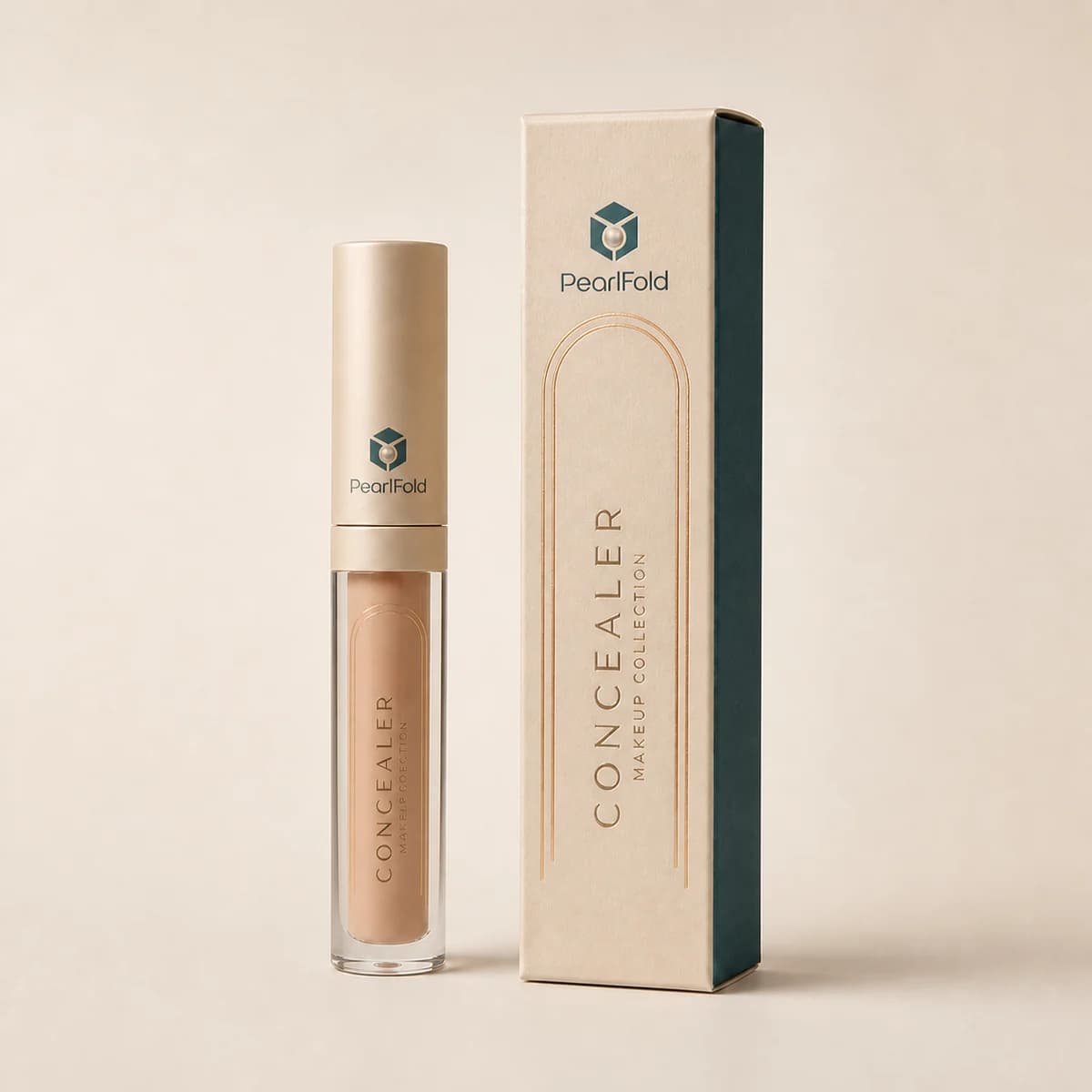
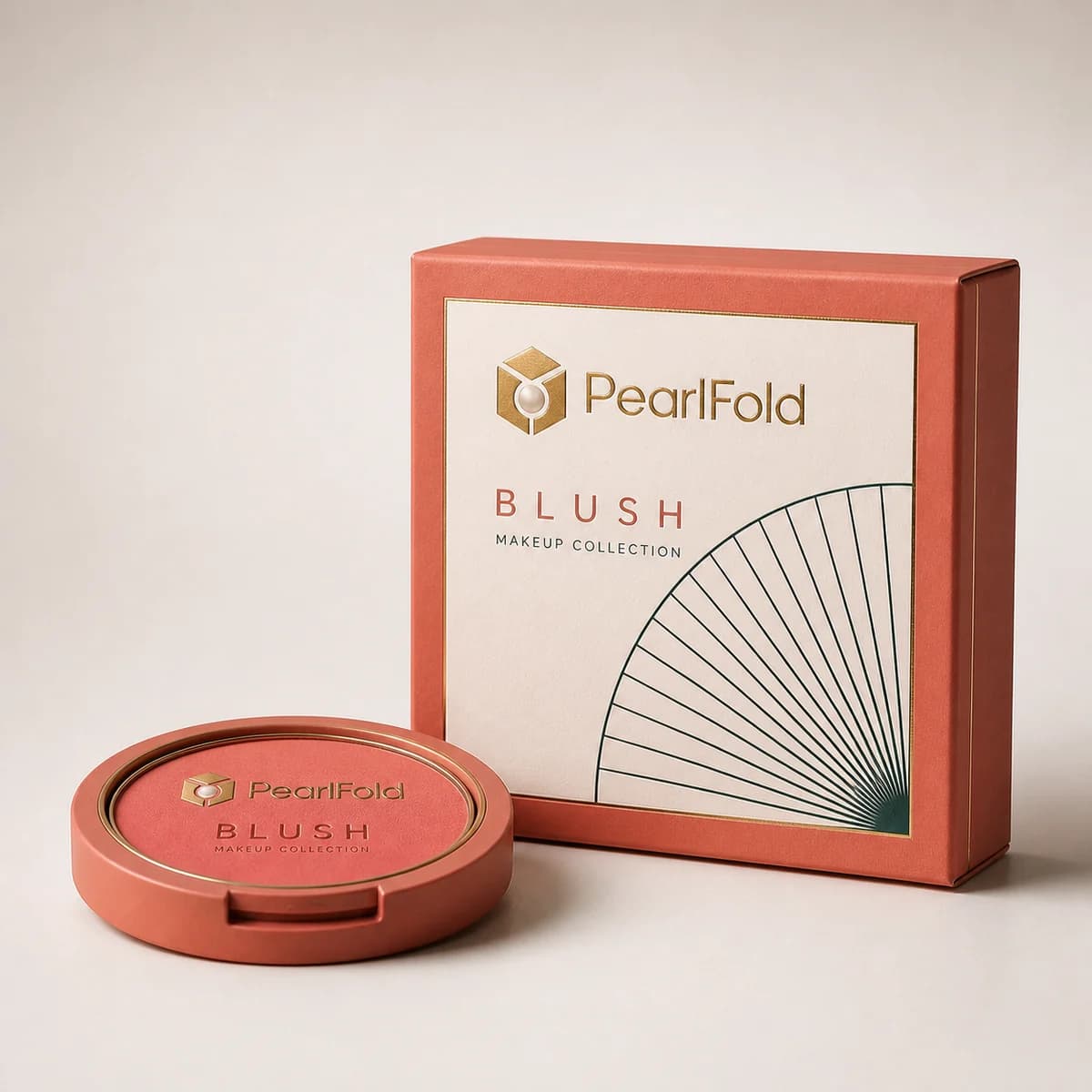
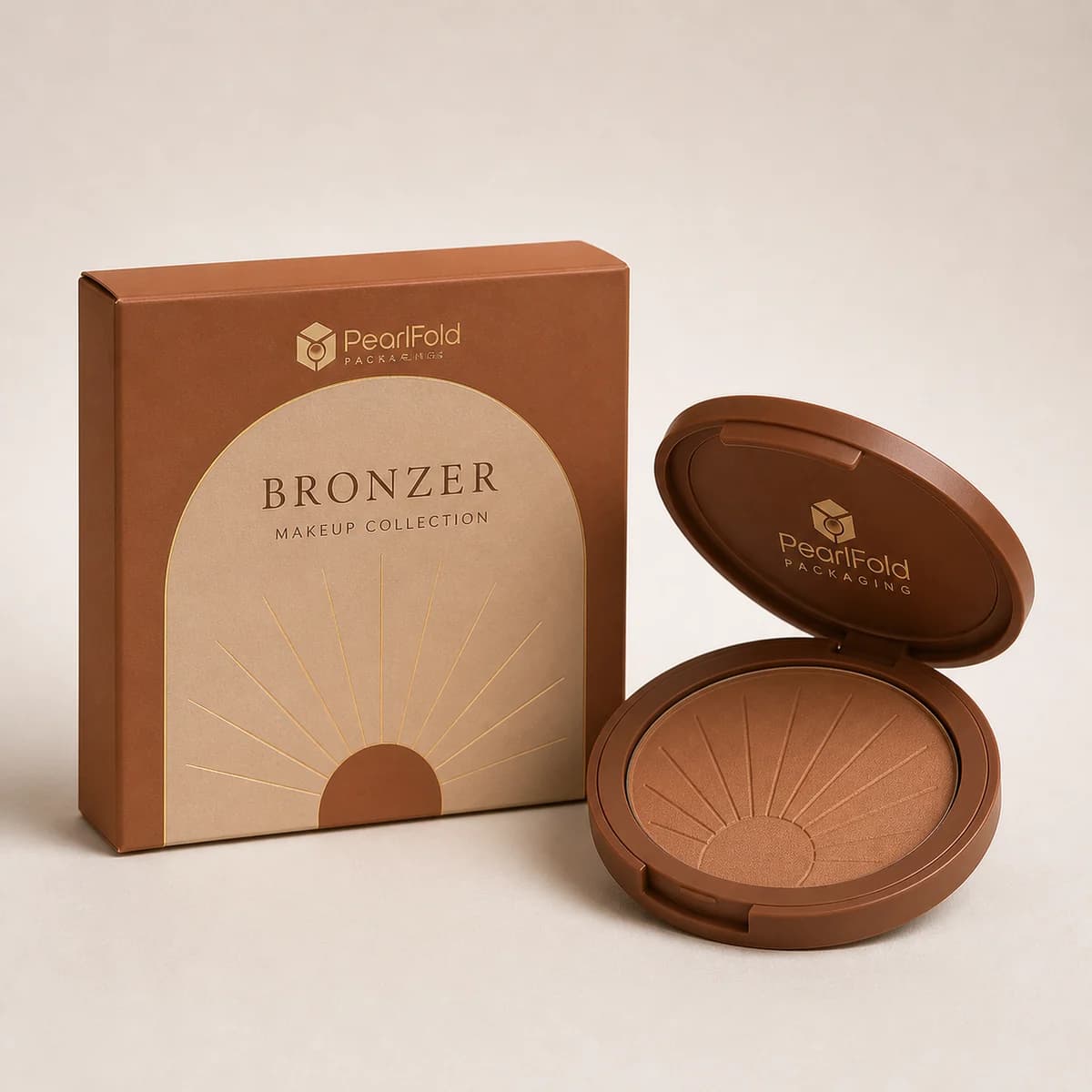
The collection includes custom lipstick boxes, lip gloss boxes, lip balm boxes, lip liner boxes, mascara boxes, eyeliner boxes, eyeshadow boxes, eyeshadow palette boxes, foundation boxes, concealer boxes, blush boxes, bronzer boxes, highlighter boxes, contour boxes, setting powder boxes, primer boxes, makeup remover boxes, nail polish boxes, eyelash boxes, eyebrow product boxes, beauty tool boxes, and cosmetic brush boxes. These pages help buyers begin with the product they are packaging while retaining access to the wider structural and finishing possibilities of the category.
When several formats belong to the same launch, reviewing them together makes it easier to align height, width, color, product naming, and shelf rhythm. When one product is being developed first, the design can still establish rules that support later extensions. A scalable system reduces avoidable redesign and helps new SKUs feel intentional from the beginning.
Which cosmetic box format fits the product?
| Cosmetic product | Useful packaging direction | Planning priority |
|---|---|---|
| Lipstick, lip gloss, or mascara | Slim folding carton with a secure closing style | Tube dimensions, cap orientation, and readable side-panel copy |
| Palette, blush, bronzer, or compact | Proportioned folding carton, sleeve, or presentation box | Compact depth, hinge protection, and front-panel hierarchy |
| Eyelashes or beauty tools | Window carton, drawer box, or supported rigid format | Product visibility, insert geometry, and easy removal |
| Cosmetic gift or launch set | Rigid box, two-piece box, or drawer box with inserts | Product order, balance, reveal, and future refill strategy |
Custom cosmetic boxes should be specified around the actual product rather than a category label alone. Two lipstick tubes can differ in height, shoulder shape, and cap profile. Accurate dimensions and a clear presentation goal are more useful than choosing a box style only because it appears premium.
How can cosmetic packaging look distinctive and remain easy to read?
Distinctive cosmetic packaging begins with a clear information hierarchy. The brand, product type, shade or variant, and supporting copy should have an intentional reading order. Foil, embossing, debossing, texture, and selective gloss can direct attention, but they should not obscure the product name or create several competing focal points.
Luxury cosmetic packaging often feels controlled because fewer elements are doing more work. Custom cosmetic boxes with a logo can use proportion, negative space, paper character, and one carefully placed finish to establish recognition. A louder approach may fit another brand, but it still needs a repeatable system that works across product sizes and online product images.
What information helps a cosmetic packaging supplier quote accurately?
Provide the product name, container dimensions, quantity range, desired box type, artwork status, and any insert or window requirement. Mention whether the package will be sold individually, grouped in a set, shipped directly, or displayed in retail. If the request is for bulk cosmetic boxes or cosmetic packaging boxes wholesale, clarify how many designs and variants share the total quantity. Those details affect the production conversation and should be known before assumptions are made.
Prepare a cosmetics packaging brief
Useful starting information includes the cosmetic format, container measurements, weight where relevant, preferred structure, artwork status, approximate order requirement, and desired presentation. For palettes, tools, or sets, include the item arrangement and opening preference. If a finish is not yet selected, describe the mood and points of emphasis so suitable directions can be discussed without assuming an unconfirmed specification.
A strong brief helps separate essential decisions from optional decoration. PearlFold can then focus on a structure and visual direction that make the product easy to recognize, coherent within the collection, and appropriate for the intended buying experience. Browse the products above and request a custom quote when the core project details are ready.