
Custom beauty packagingMade for your productPremium print and finishesServing U.S. brands
Custom beauty packaging
Hair & Grooming Packaging
Custom hair care and grooming packaging for shampoo, conditioner, hair oil, extensions, treatments, styling products, beard care, shaving products, razors, and gift sets.
Explore products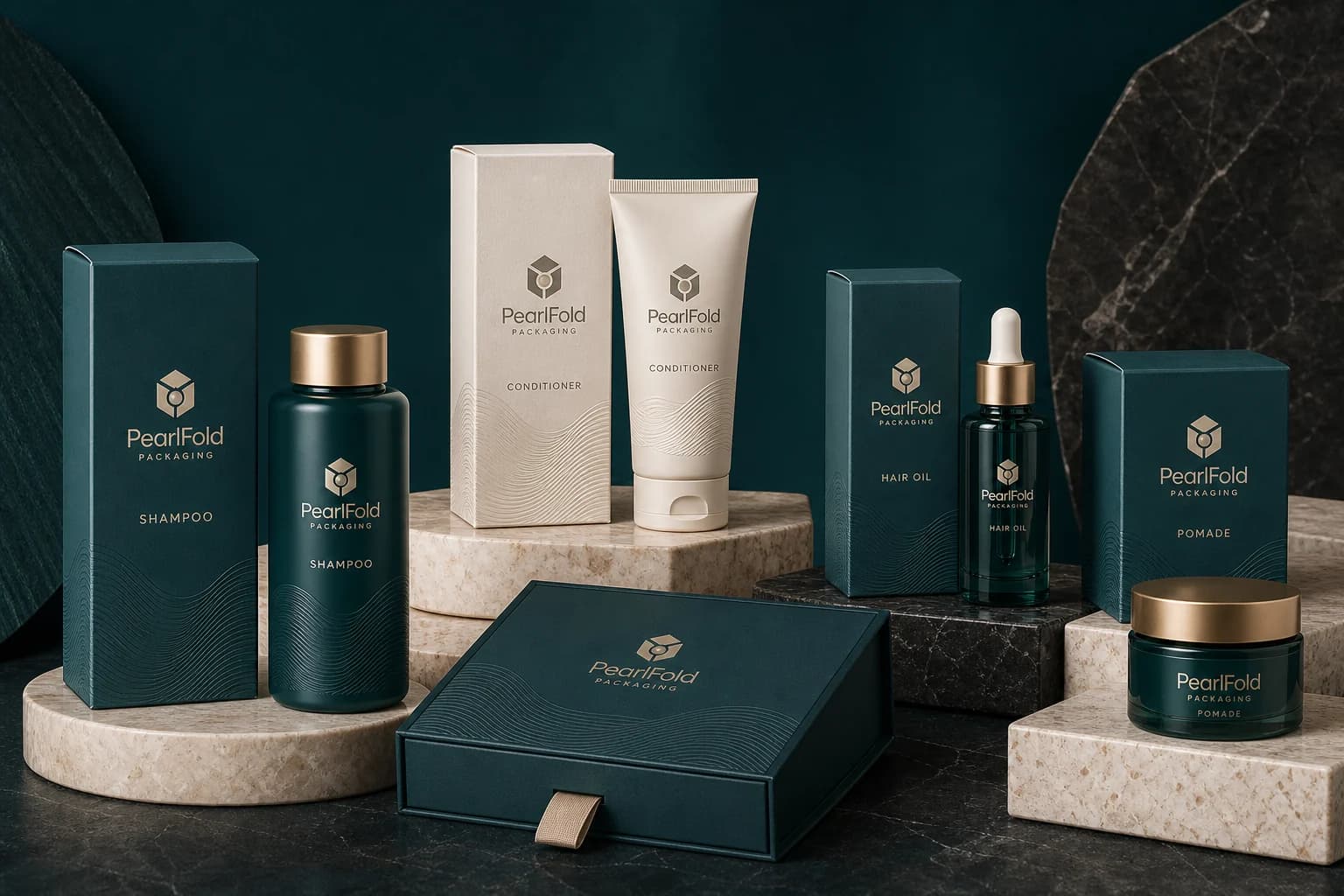
Explore product categories
Explore more product families
Compare related beauty and personal-care categories without leaving the PearlFold packaging catalog.
Shop the collection
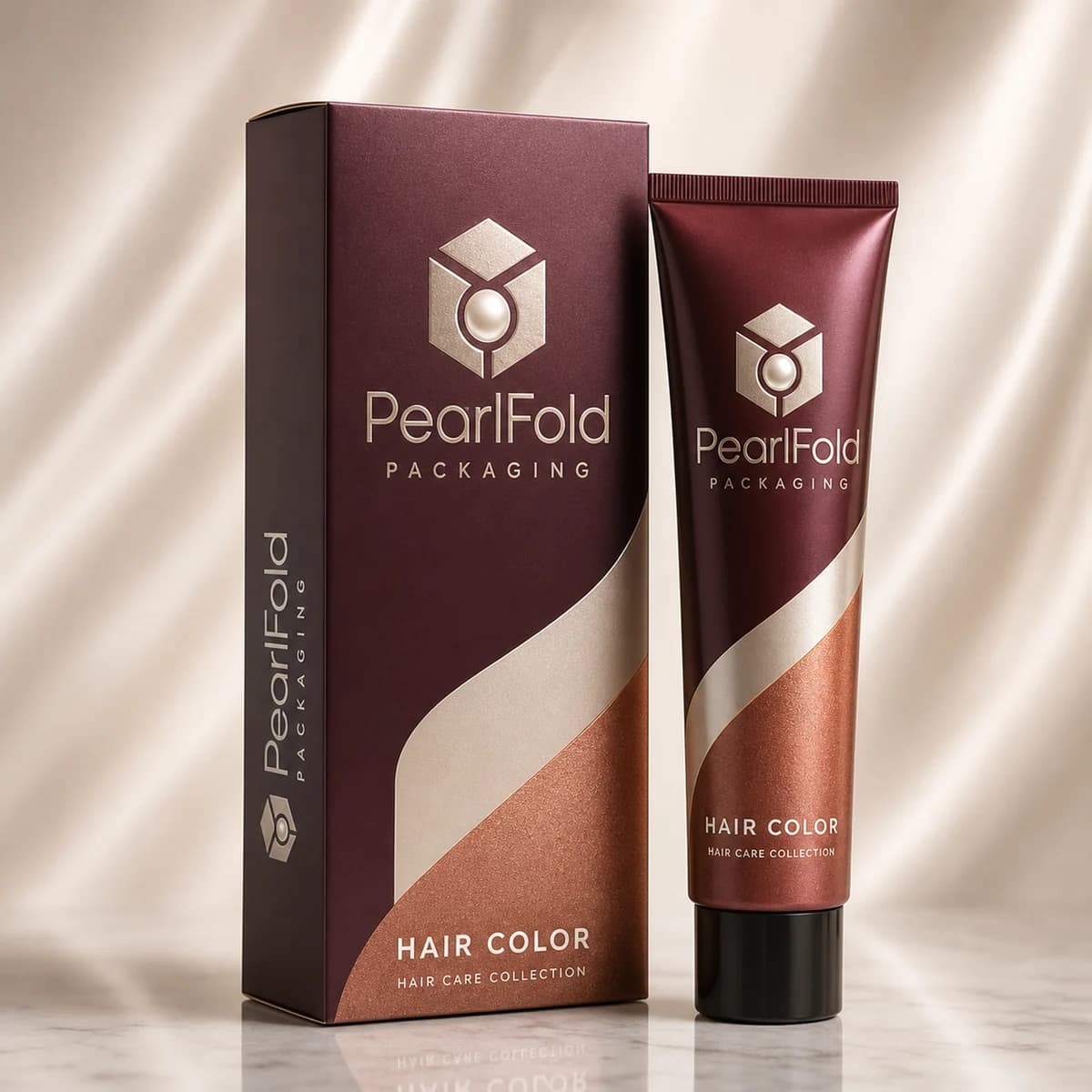
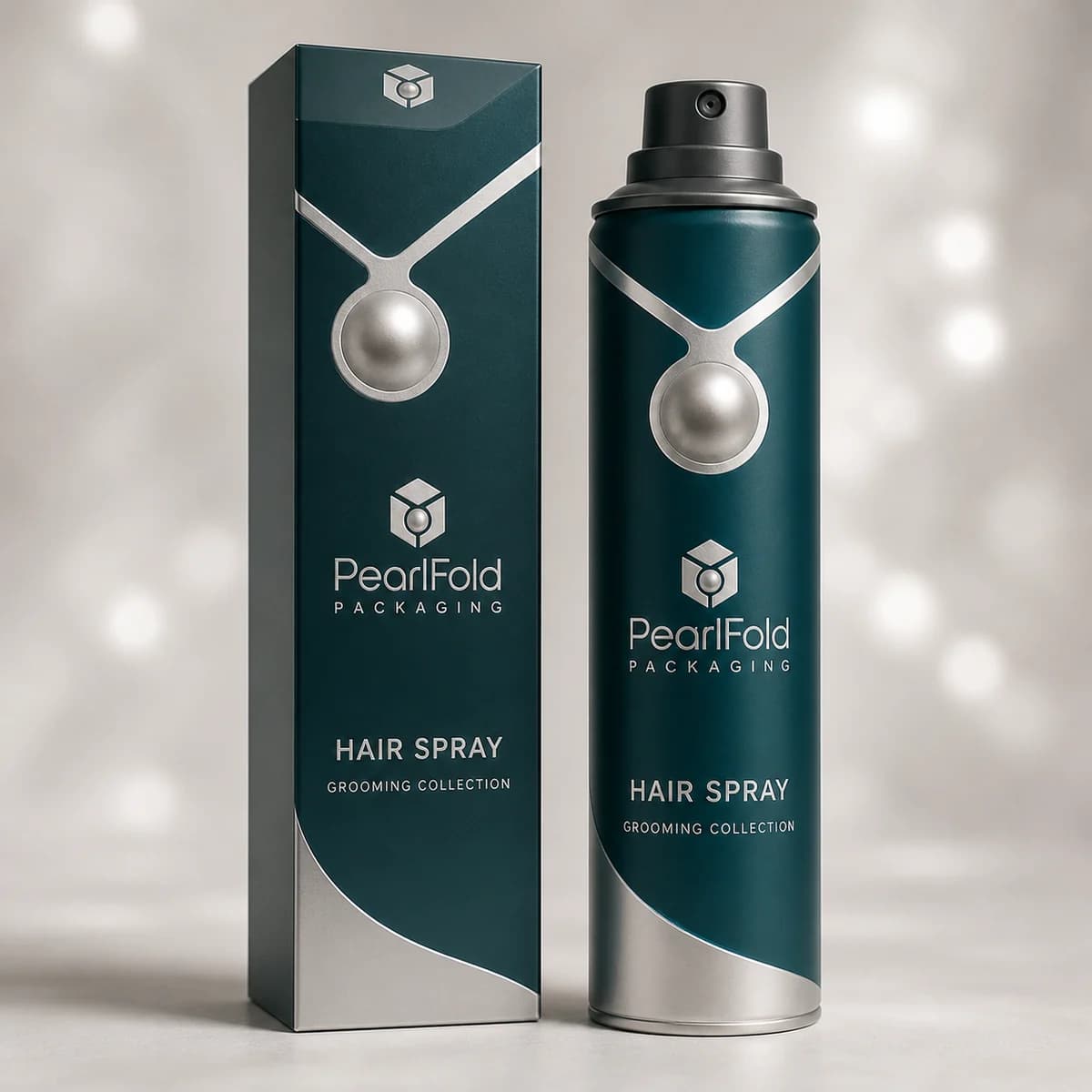
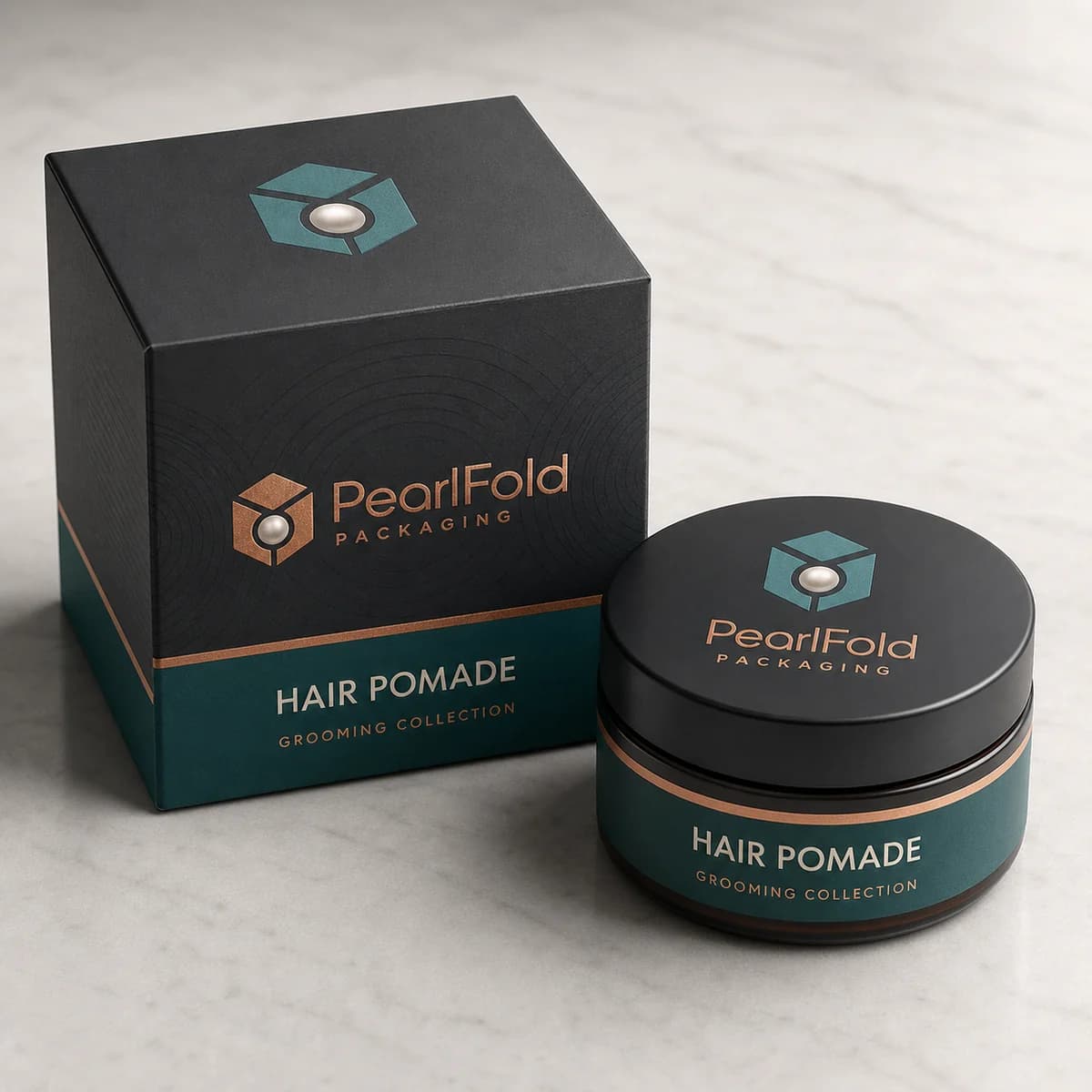
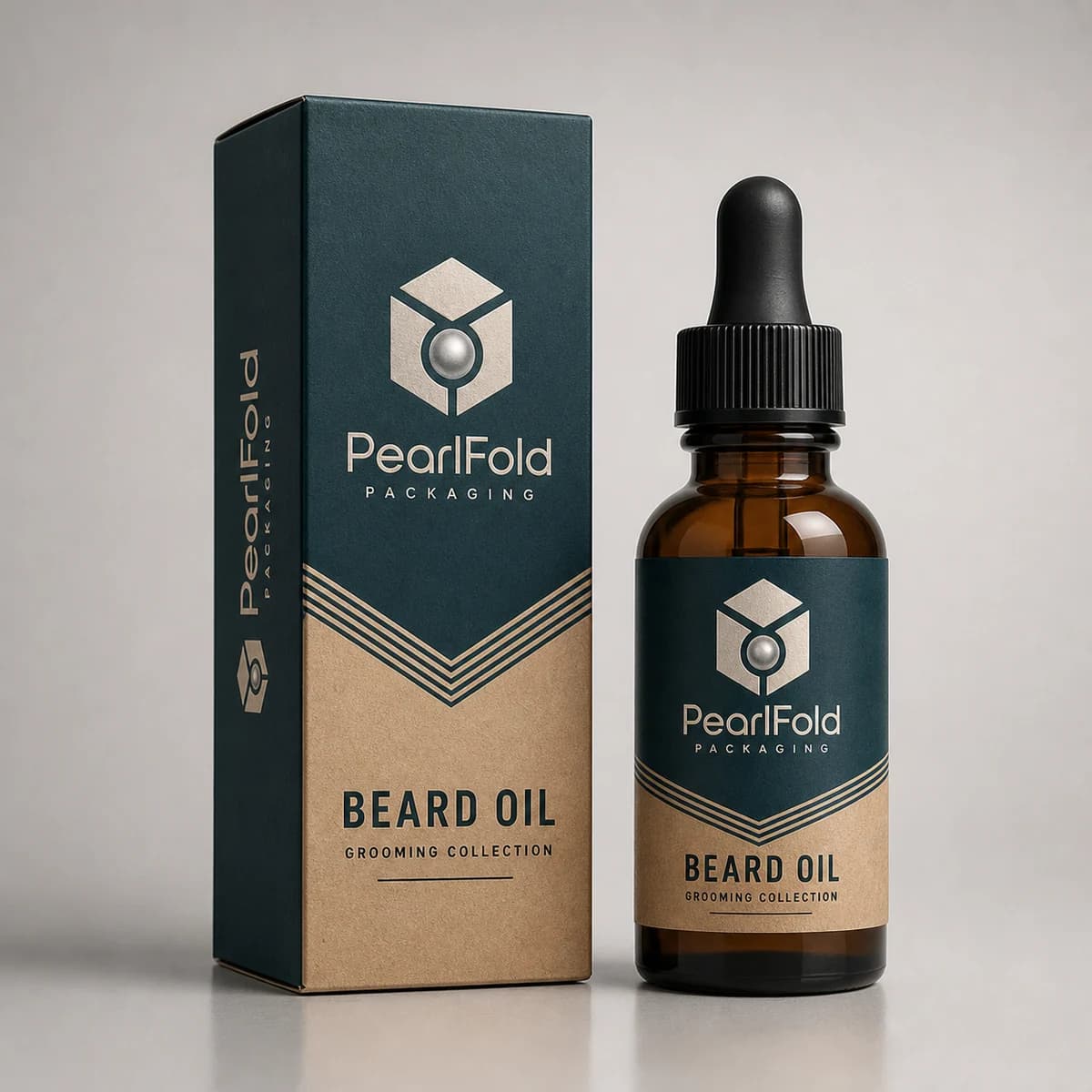
Hair & Grooming Packaging products
Explore custom products within the hair & grooming packaging collection.
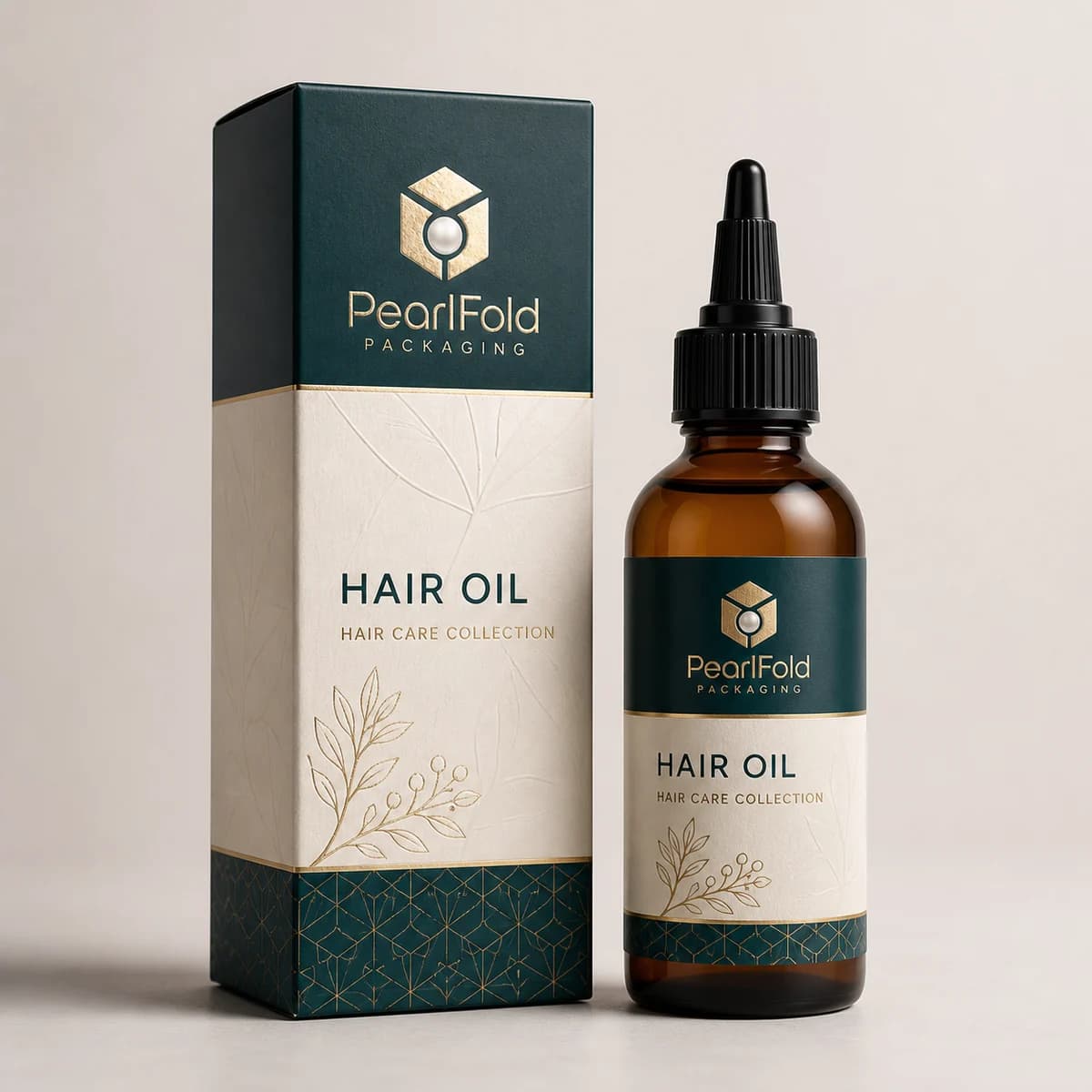
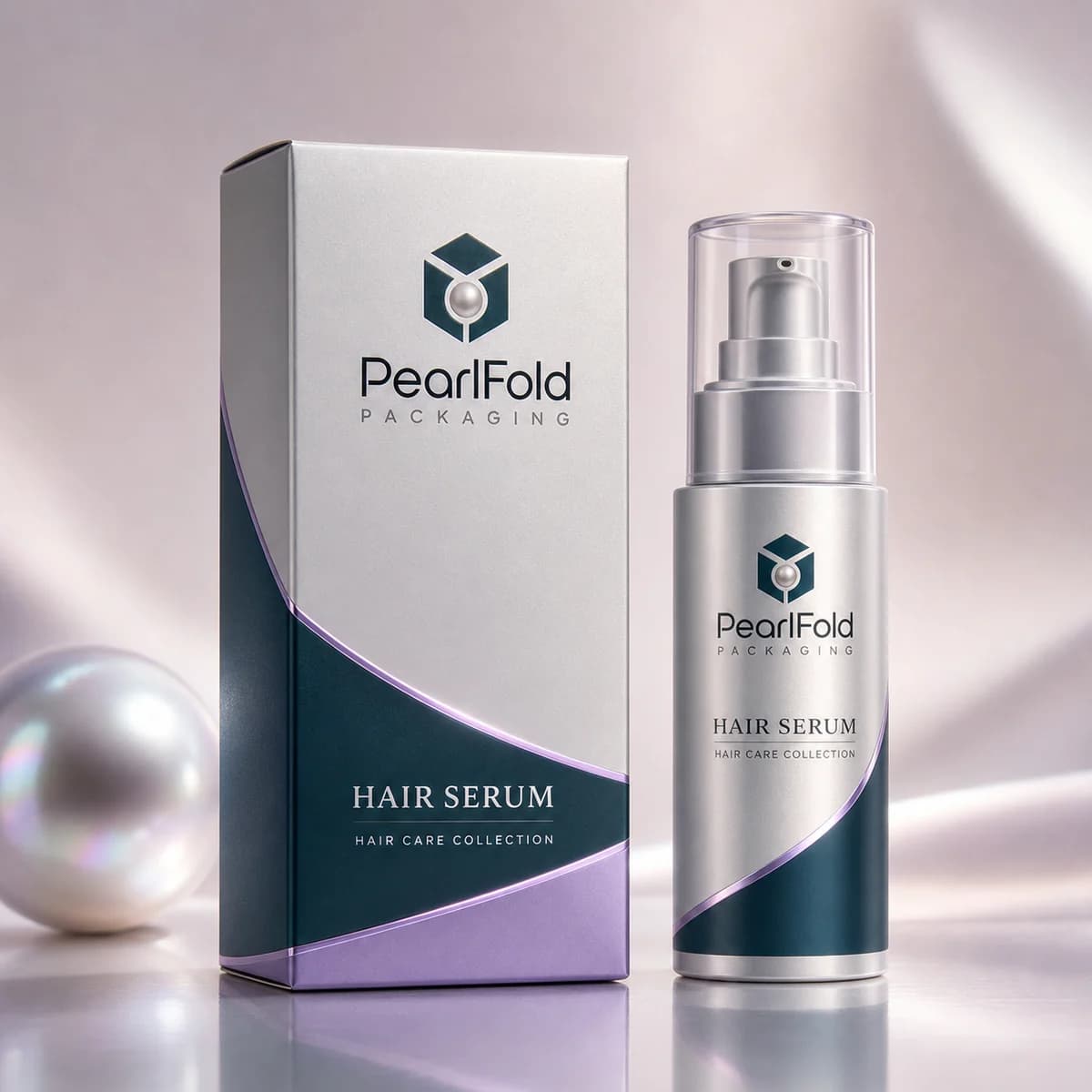
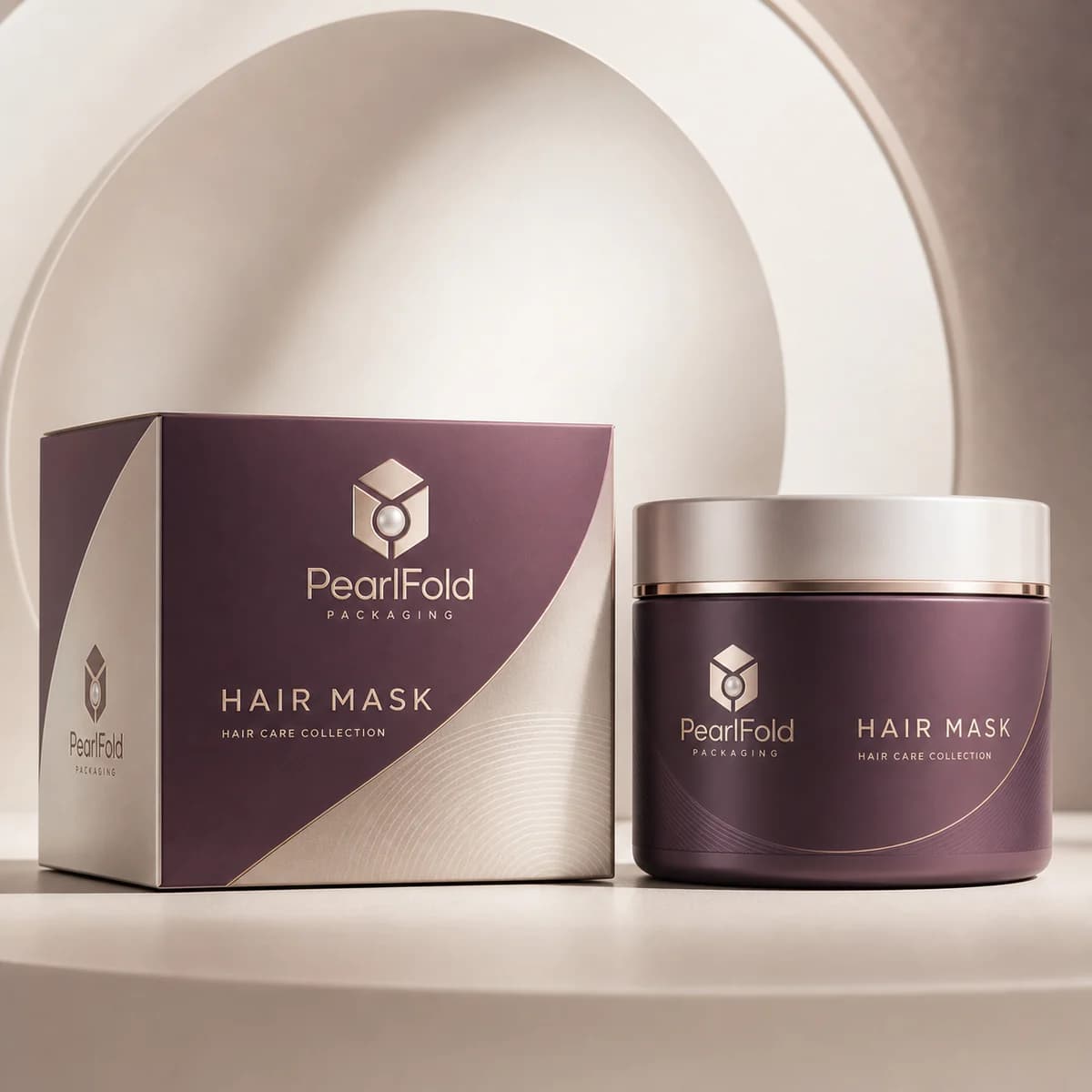
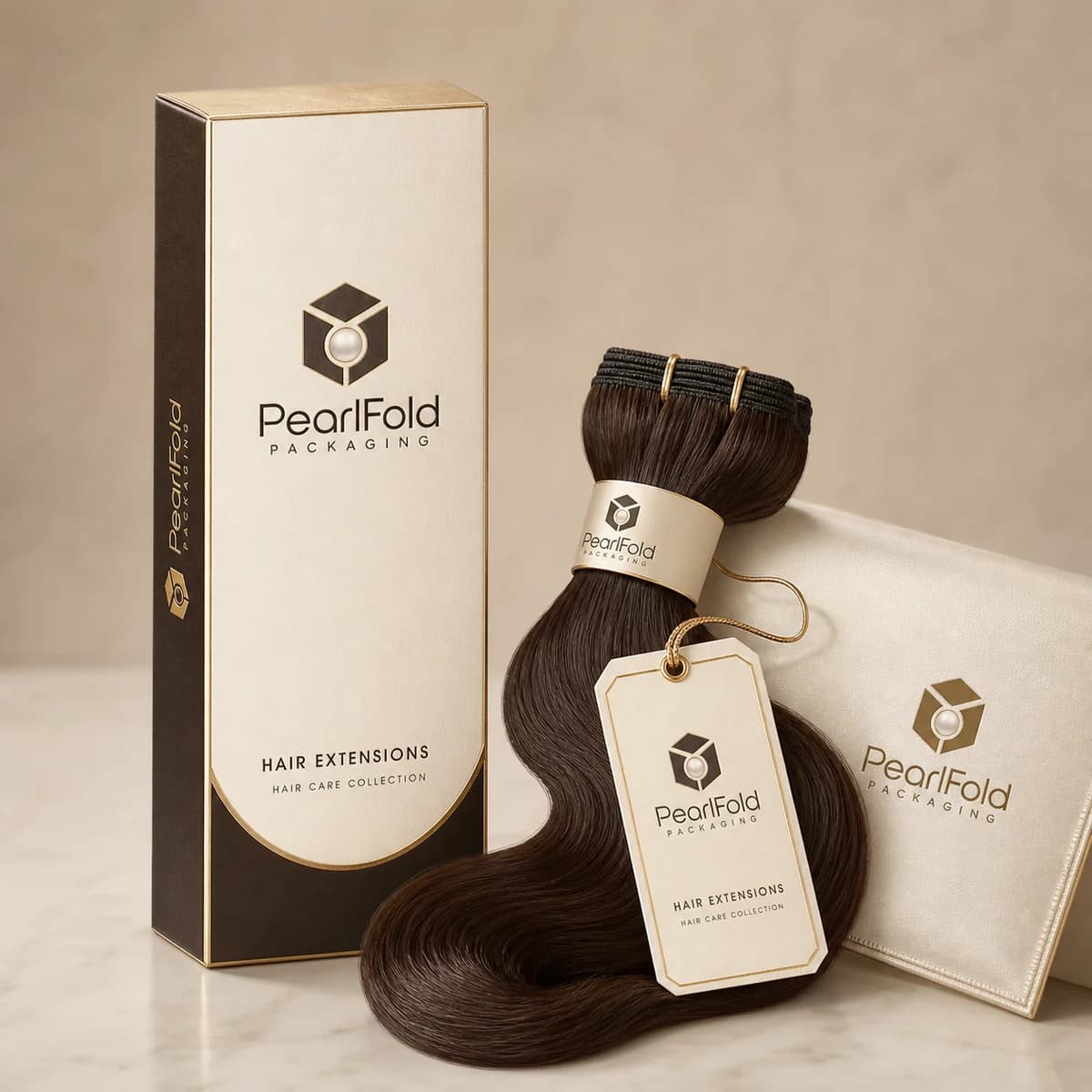
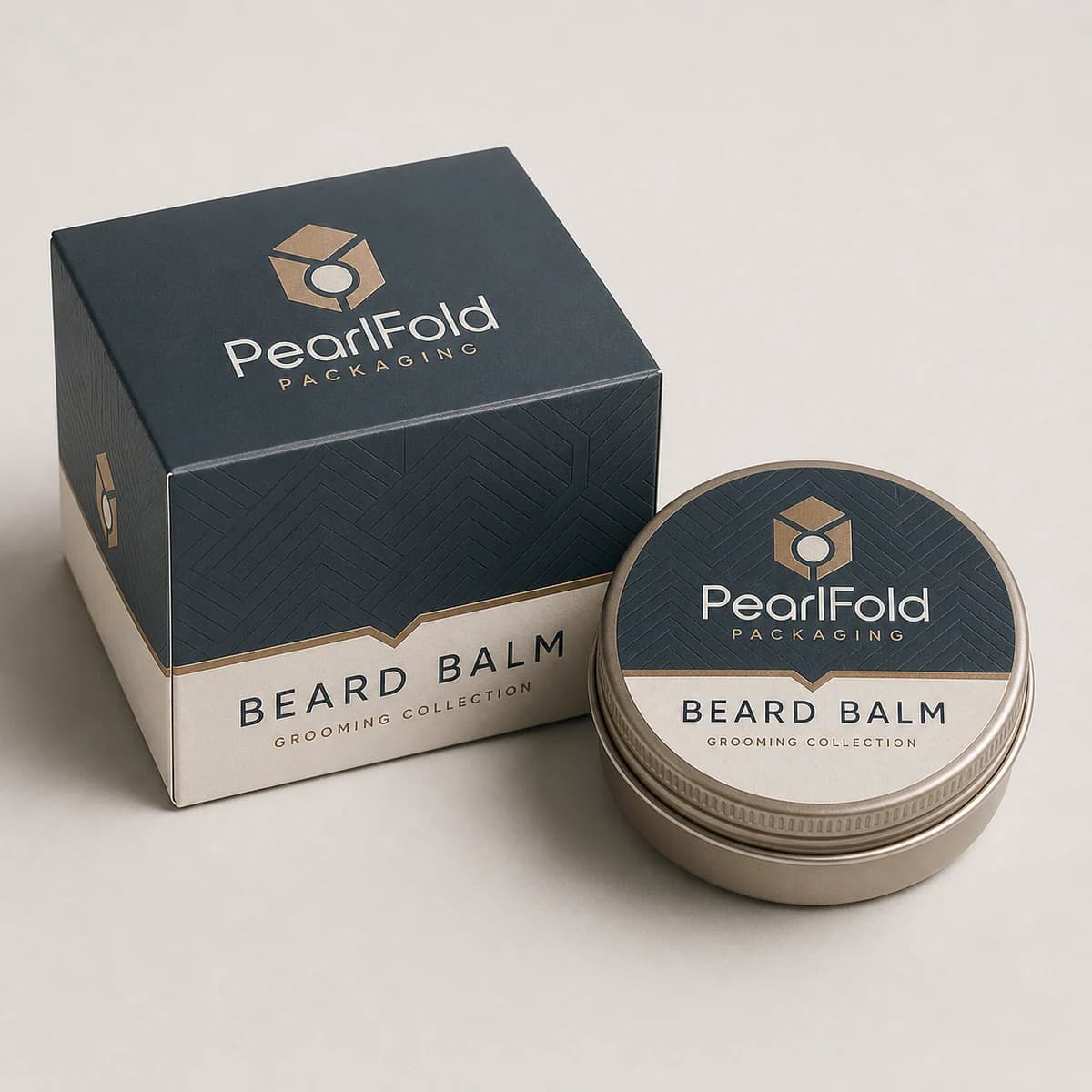
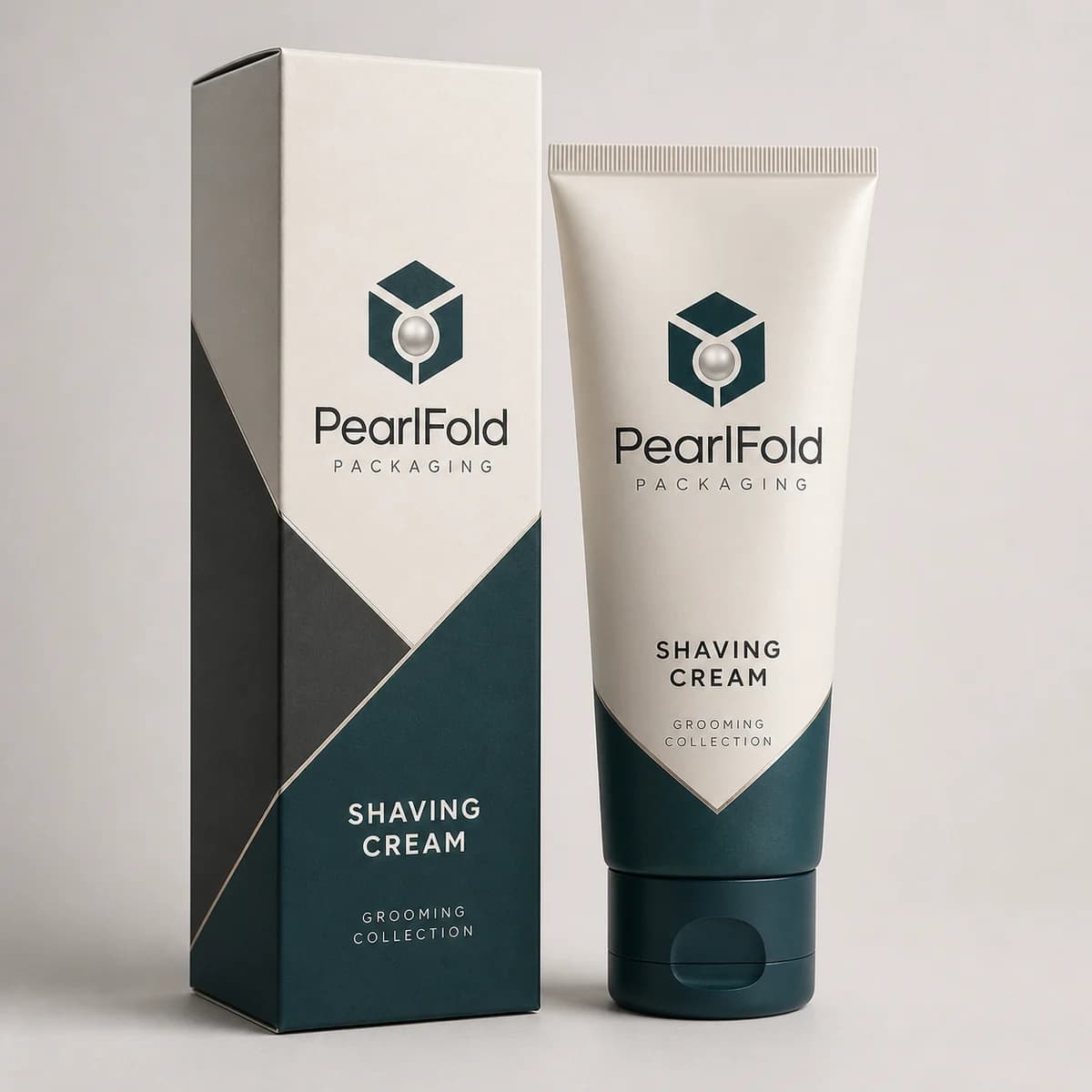
More products load as you scroll
Category buying guide
How to plan hair & grooming packaging
How should haircare and grooming packaging be planned?
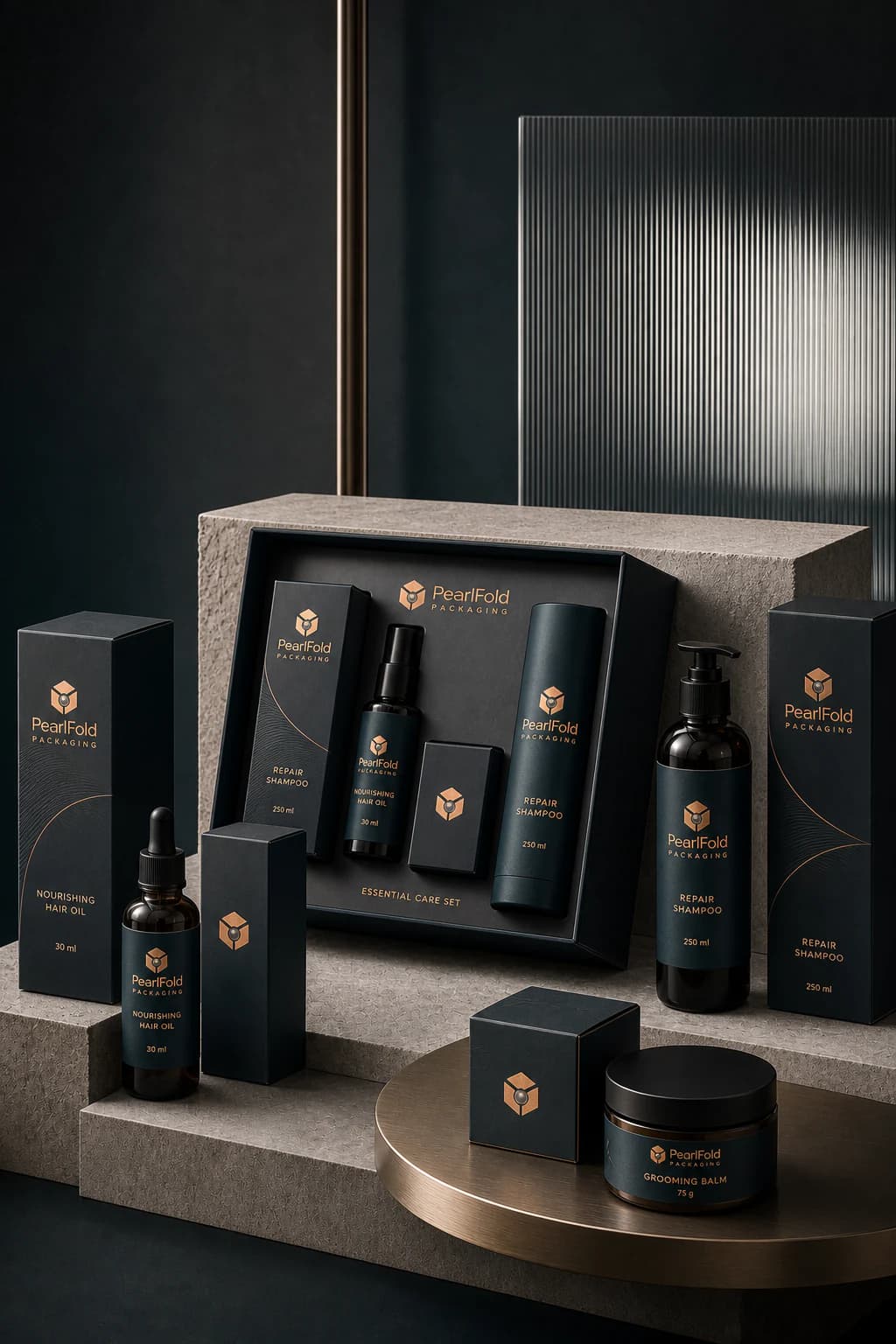
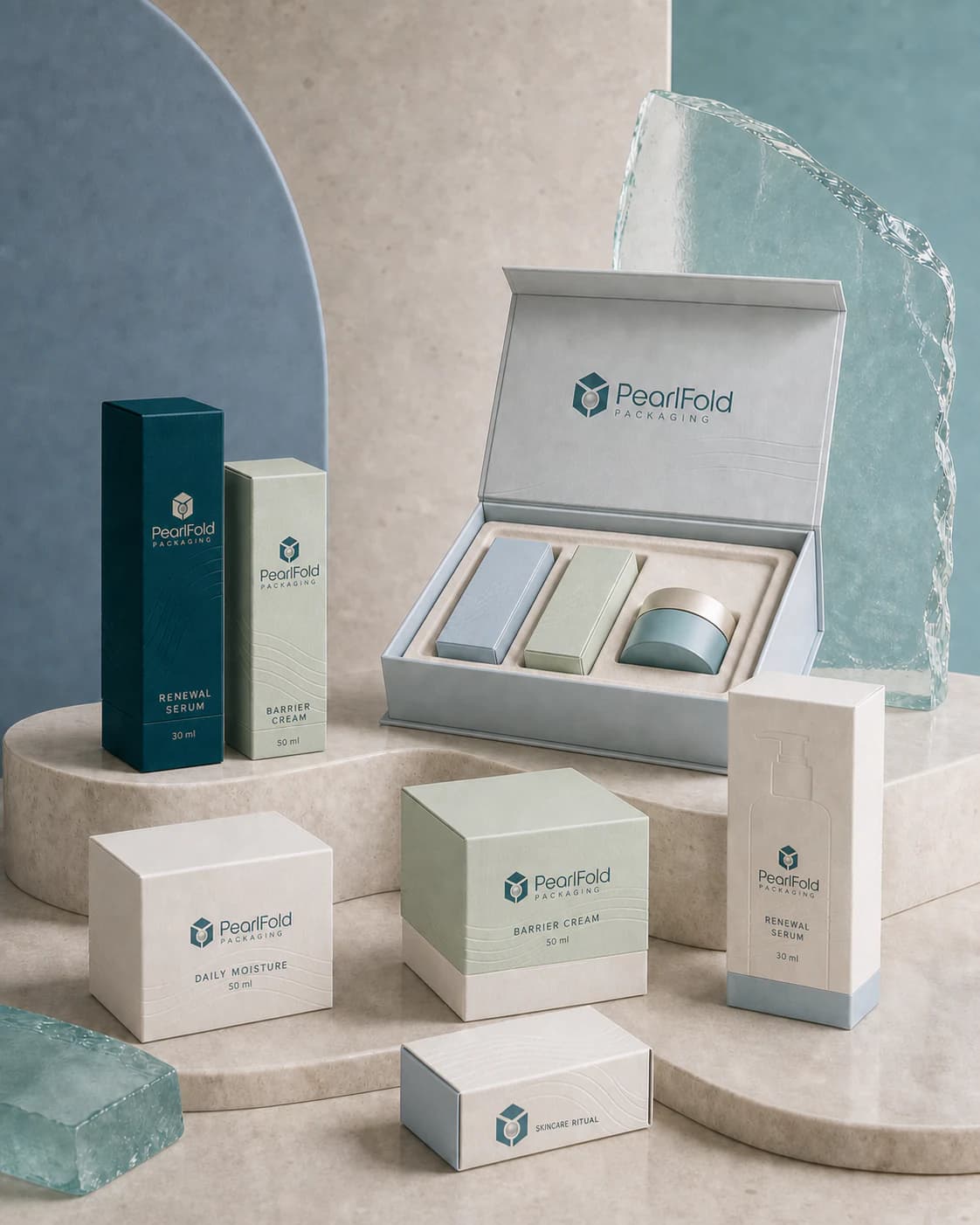
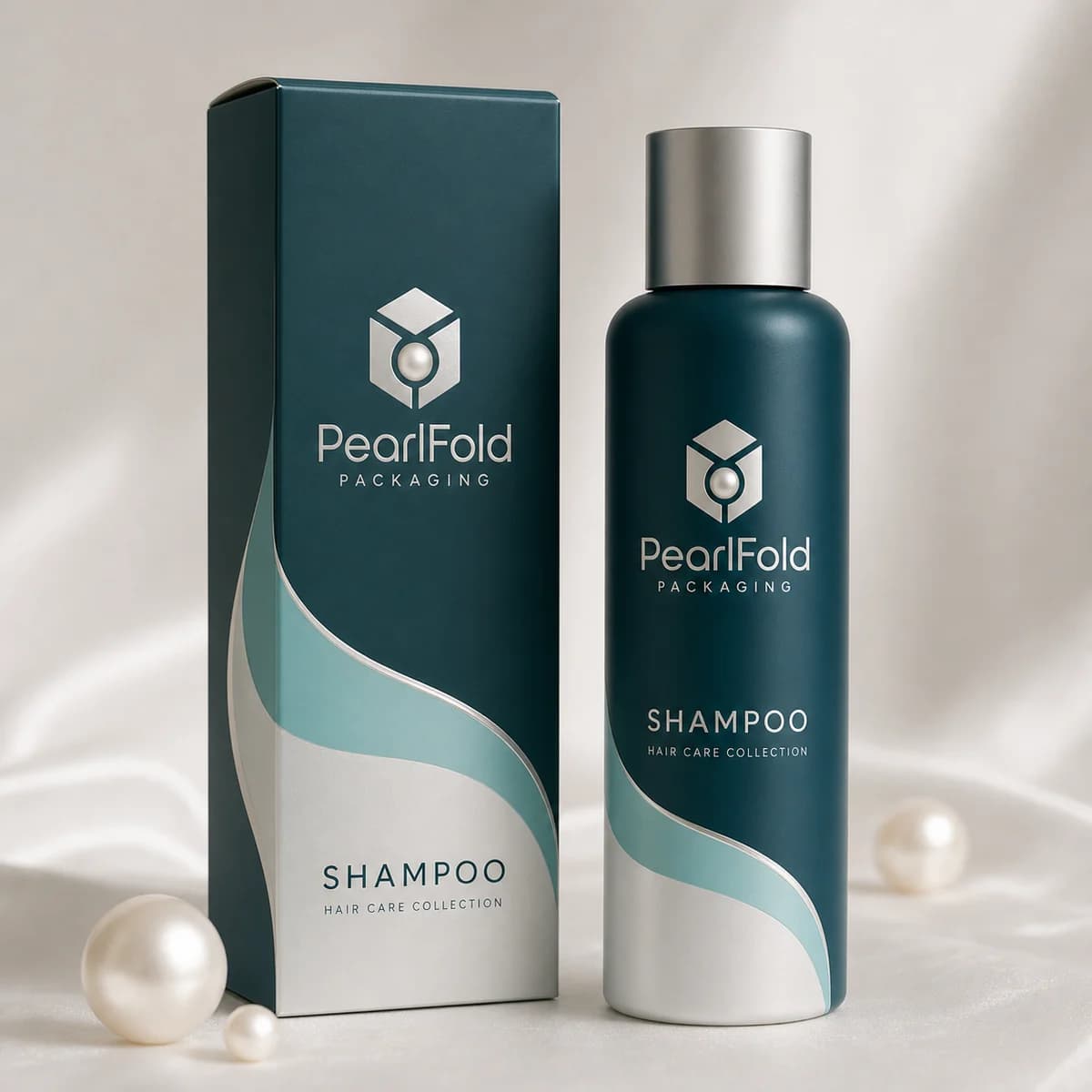
Haircare and grooming ranges can include tall bottles, squeeze tubes, dropper bottles, jars, tins, tools, treatments, and multi-product sets. Custom packaging should account for those different formats while making the full collection easy to recognize. PearlFold develops hair and grooming boxes around the product dimensions, container geometry, approved structure, artwork, and the presentation priorities of the brand.
A shampoo carton, hair-oil box, pomade package, beard-care set, and shaving product should not be forced into one proportion. The structural details need to respond to the product inside. The visual system then connects those structures through a consistent hierarchy, typography, color logic, surface treatment, and approach to product naming.
Plan the carton around the container
Bottles and tubes often require tall folding cartons with dimensions guided by the closure, shoulders, base, and overall height. Hair oils and treatments may use smaller bottles or droppers that need a more precise fit. Pomades, waxes, and grooming balms can use jars or tins with different depth and opening considerations. Gift and care sets may benefit from rigid, drawer, sleeve, or two-piece structures that organize several products together.
Accurate measurements should be confirmed before the dieline and artwork are finalized. Product weight, intended orientation, and any internal support affect the package. A visually attractive carton is only useful when it is built around the approved product and project specification.
Organize routines and sets clearly
Hair and grooming products are frequently purchased as routines: shampoo with conditioner, oil with treatment, beard wash with balm, or shaving products grouped as a set. Packaging can make those relationships visible through color, naming, and interior arrangement. A set should guide the eye without making the individual items difficult to identify.
The insert or support should be planned with the outer box. It determines how products are spaced, which item appears first, and how much of each label remains visible. Paperboard, rigid-board, or molded-paper directions may be considered according to the product and structure. Final material decisions are made for the individual brief rather than treated as a standard feature.
Create distinction without losing consistency
A broad haircare line may include shampoo, conditioner, masks, oils, scalp treatments, styling products, and tools. Grooming can add beard care, pomade, shaving products, and coordinated kits. Strong hierarchy lets customers understand the product type and variant while recognizing the same brand across the shelf.
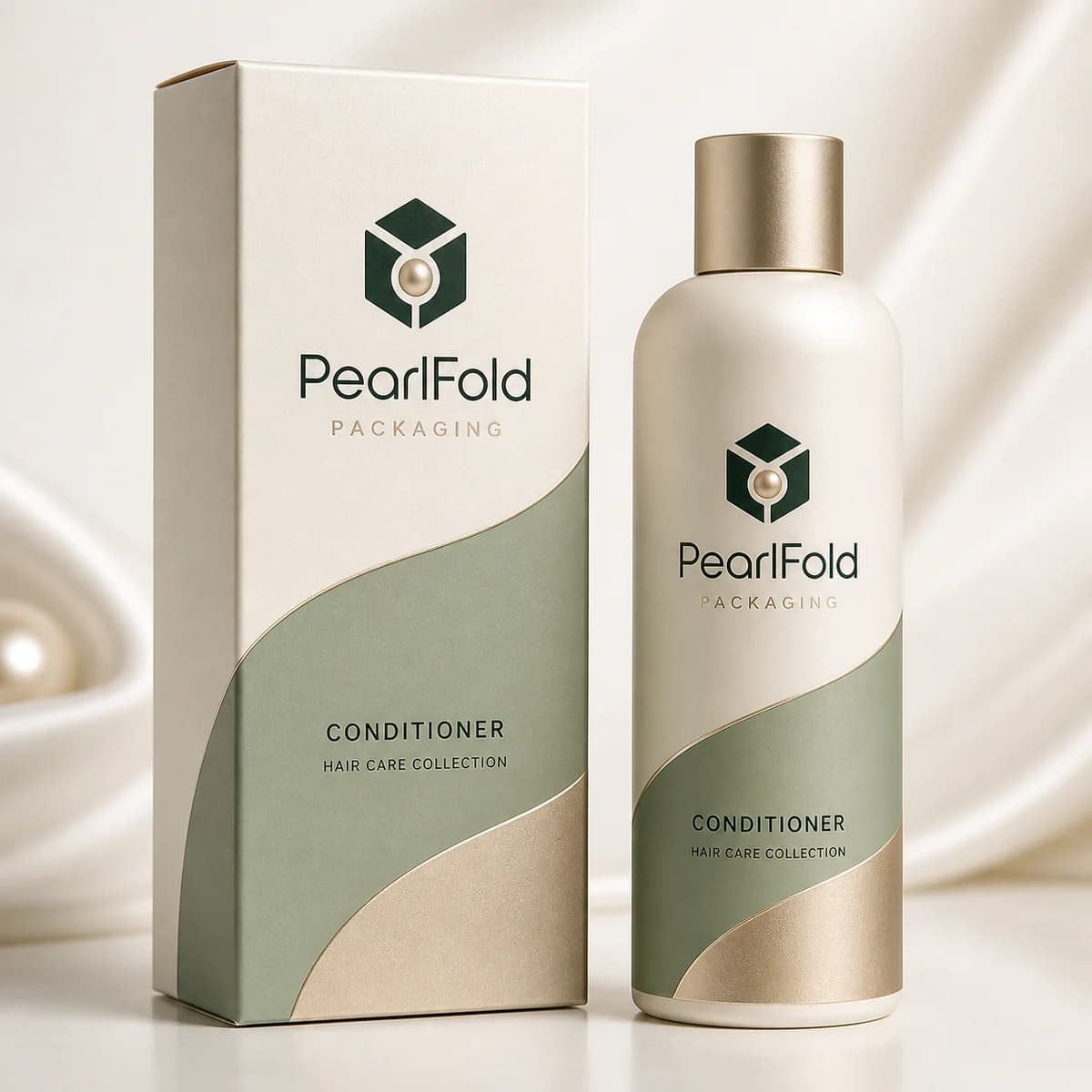
Consistency can come from a fixed brand position, shared typography, a repeated pattern, or a controlled color system. Product families can then use different accents or proportions. Relying only on color makes the system less dependable; clear product naming and layout should carry the primary distinction.
Choose finishes that reinforce the intended character
Haircare packaging may call for a clean, clinical, expressive, natural, or salon-oriented mood; grooming packaging may lean quiet and tactile or sharper and more graphic. The base paper, ink coverage, and finish placement can support those directions. Foil can highlight a mark, embossing or debossing can add controlled depth, and selective gloss can create contrast on a matte surface.
The finish strategy should remain focused. Multiple effects competing across a small carton can make the hierarchy harder to read. PearlFold connects material and finish decisions to the approved structure and artwork and does not imply that a particular stock, coating, certification, or production method applies to every project.
Prepare artwork for physical and digital presentation
The front panel should establish the brand, product type, and variant. Side, back, top, and opening panels can organize the brand’s approved supporting content. Artwork must account for folds, seams, and the actual printed scale. Small type that appears comfortable on a large design screen may become difficult to read on a narrow hair-oil or styling-product carton.
Clear packaging also photographs more effectively. Strong product naming and contrast help online buyers distinguish a shampoo from a conditioner or a hair oil from a scalp treatment when the package appears as a small image. PearlFold does not invent ingredients, efficacy, therapeutic, certification, origin, or compliance claims; brands should supply approved copy and obtain any qualified review they require.
Explore hair and grooming packaging by product
The planned collection can support custom shampoo boxes, conditioner boxes, hair-oil boxes, hair-mask boxes, scalp-treatment boxes, styling-product boxes, pomade and hair-wax boxes, hair-extension boxes, beard-oil boxes, beard-care boxes, shaving-product boxes, grooming-tool boxes, and coordinated haircare or grooming sets. Product pages can be added to the archive as the WooCommerce catalog expands, without changing the shared category template.
Reviewing several products as a family can align carton widths, label placement, variant logic, and set opportunities. For a single launch, the same framework can establish rules that make future products easier to add. The objective is a range that feels intentional in person and remains clear in digital merchandising.
Balance practical structure with brand presentation
A package can feel premium through proportion, material, print control, and fit rather than unnecessary complexity. A straightforward folding carton may be the right solution for an everyday bottle; a rigid presentation box may be more relevant to a gift set or launch kit. The format should follow the product and buying experience.
Interior and exterior details should work together. If a set opens to reveal several products, their orientation and label visibility matter. If an individual item uses a simple top-opening carton, the opening panel can still continue the visual system in a restrained way. Every choice should have a clear role.
Which packaging format fits common hair and grooming products?
| Product | Useful starting structure | Planning priority |
|---|---|---|
| Hair oil, serum, or treatment bottle | Proportioned folding carton | Bottle height, closure clearance, base support, and readable product naming |
| Hair mask or styling jar | Folding carton, sleeve, or two-piece box | Jar weight, lid width, opening direction, and shelf presentation |
| Beard oil or beard balm | Compact folding carton or coordinated grooming set | Clear product distinction, container fit, and routine order |
| Razor or shaving set | Drawer box, rigid box, or presentation box with inserts | Tool security, removal points, component order, and gift use |
Custom hair care boxes and custom grooming boxes should be developed from the actual container or tool. Hair extension packaging has different length and presentation needs from beard oil boxes or shaving cream boxes. The category name helps with discovery, but dimensions and use context determine the structure.
How can grooming packaging feel clear and credible?
Clear grooming packaging identifies the product before relying on mood or lifestyle language. Beard oil, beard balm, shaving cream, and razor products may share a visual family, but each needs a distinct name and readable hierarchy. Texture, foil, embossing, and restrained color can support the character after the information structure is working.
For ecommerce, the front panel should remain legible in a small product image. For retail or barbershop display, side and back panels need an orderly place for approved product details. PearlFold works from supplied artwork and product information and does not create formula claims, certifications, or compliance statements.
What information improves a haircare or grooming quote?
Provide the product name, container or tool dimensions, quantity range, preferred box style, artwork status, and sales context. For a grooming set, list every component and the intended arrangement. For custom hair extension boxes, include the extension format and required internal length. Clear project inputs allow structure, material, and finishing options to be discussed against the real product rather than a generic mockup.
Prepare a haircare or grooming packaging brief
Useful inputs include the product type, container dimensions, closure details, weight where relevant, expected structure, artwork status, approximate order requirement, and intended channel or presentation. For sets, include the number of products and preferred arrangement. Photographs or technical drawings can help clarify an unusual bottle, jar, tube, tool, or accessory.
PearlFold can then organize the packaging discussion around the decisions that materially affect structure, artwork, and presentation. Browse the archive as products are published, compare relevant formats, and request a custom quote when the core product information and desired direction are ready.