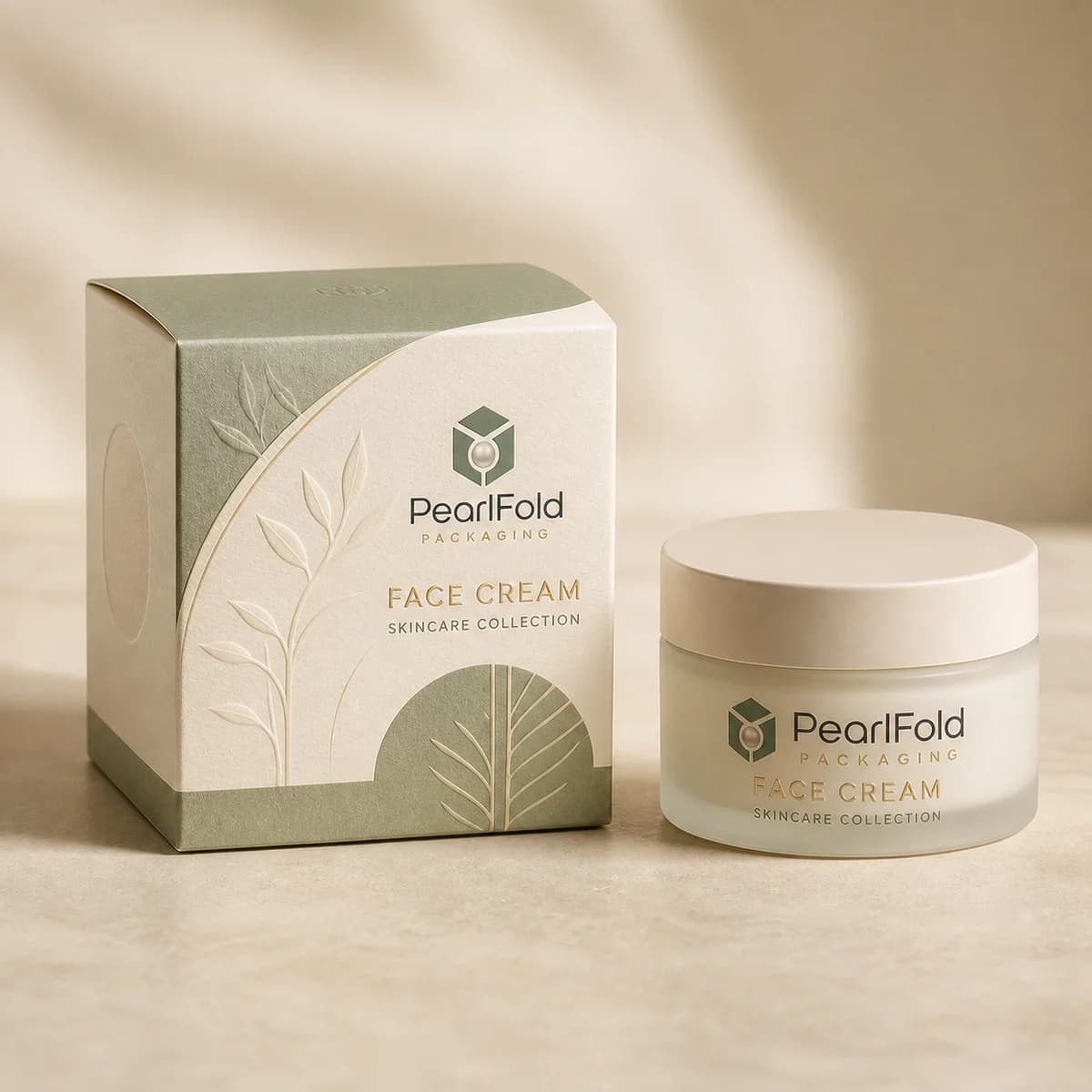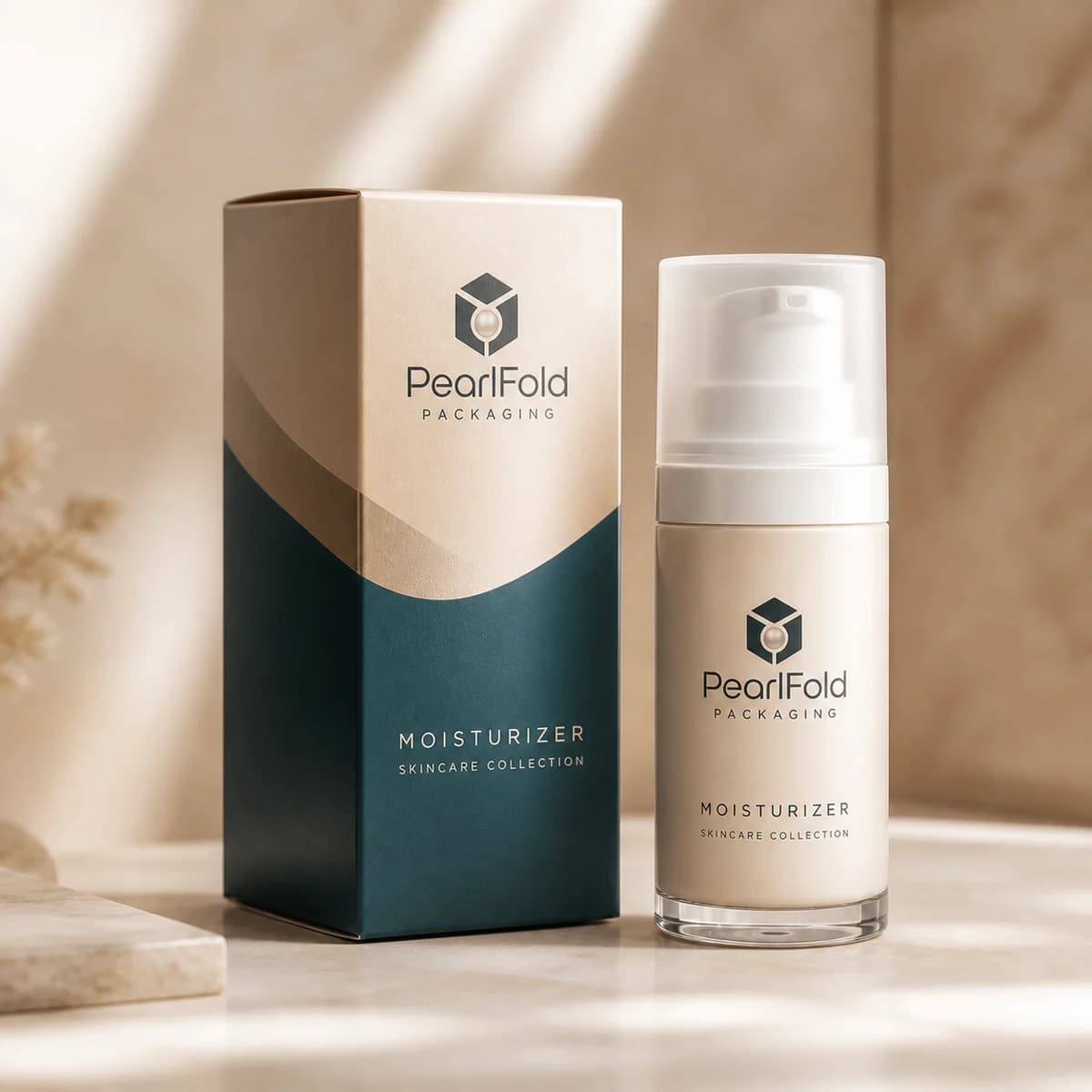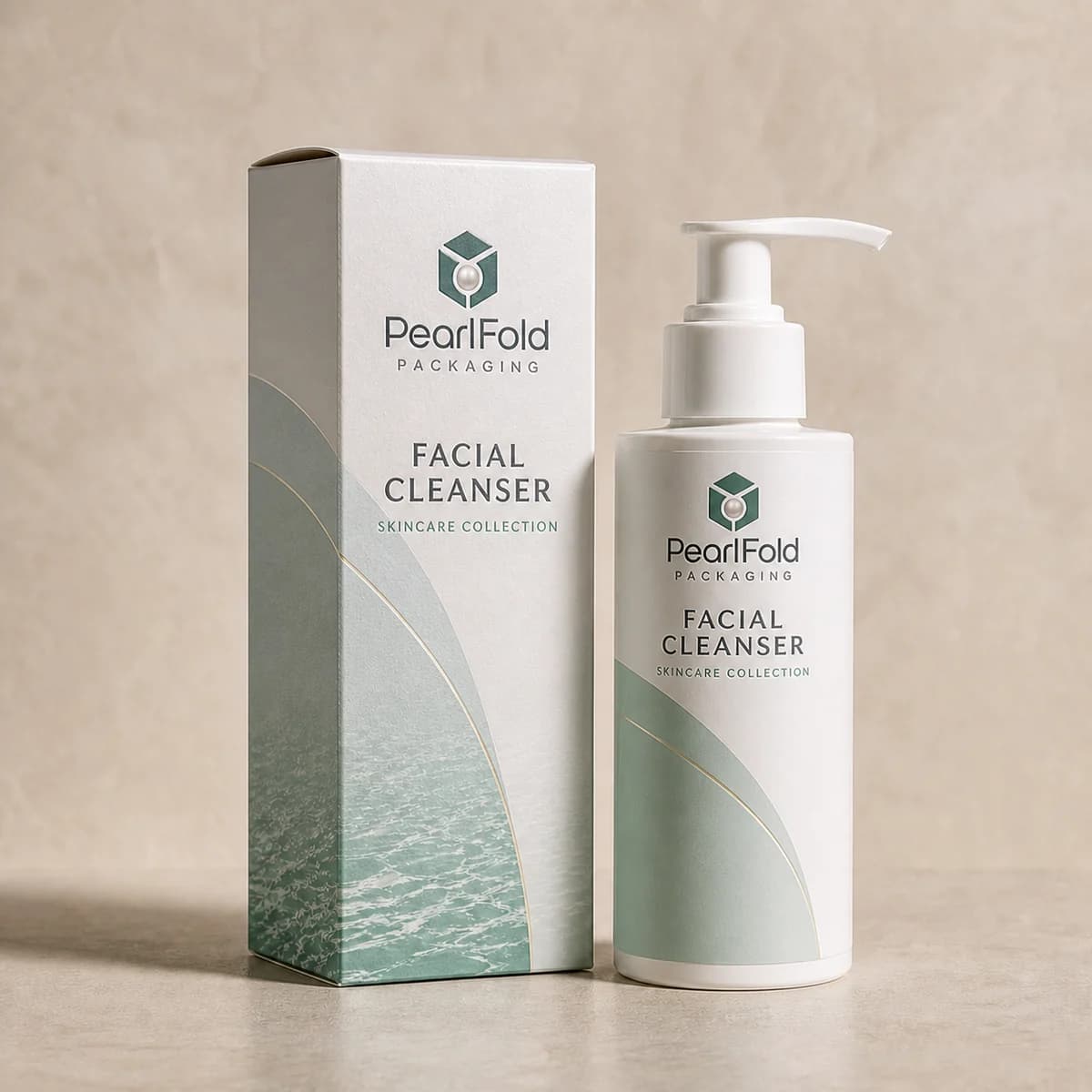
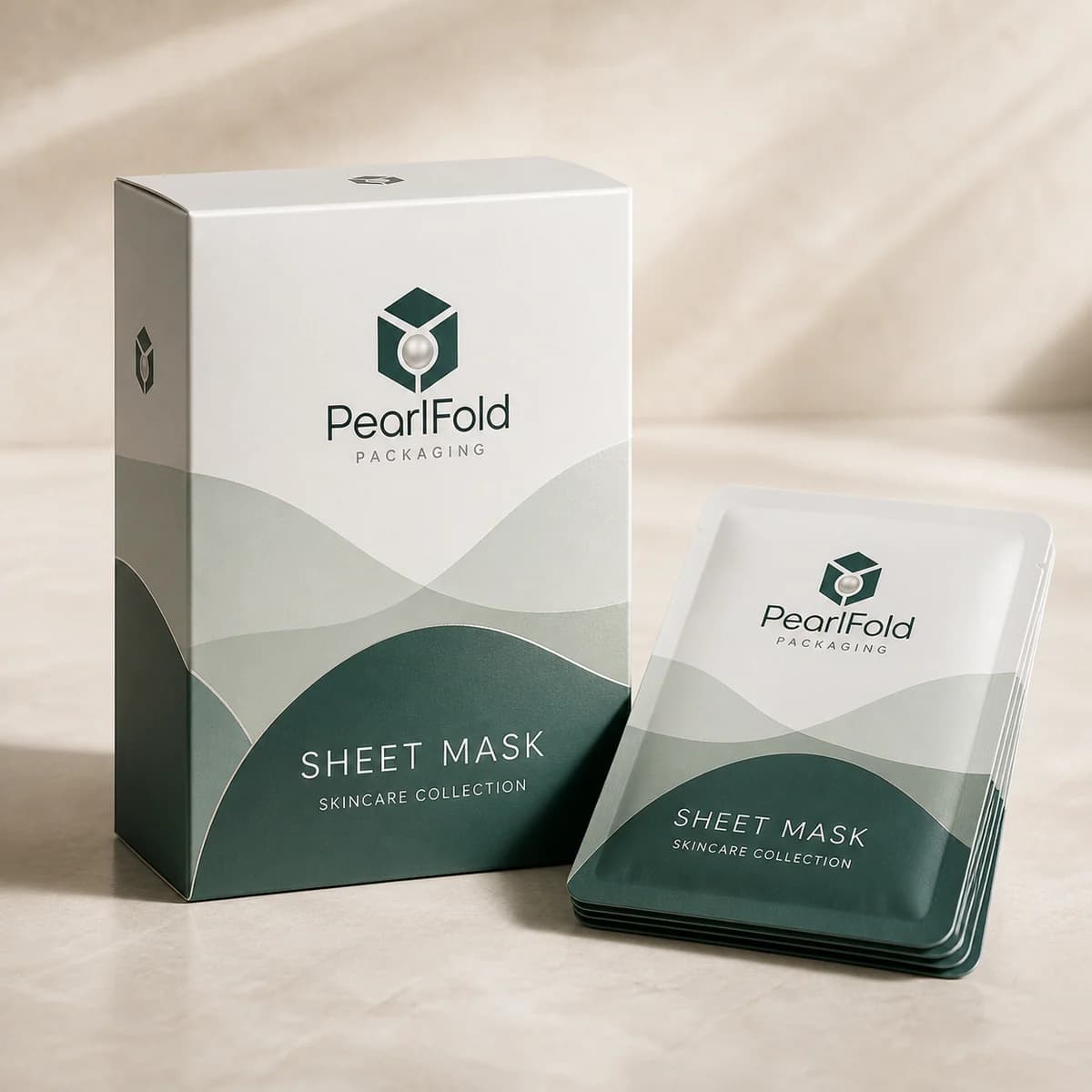
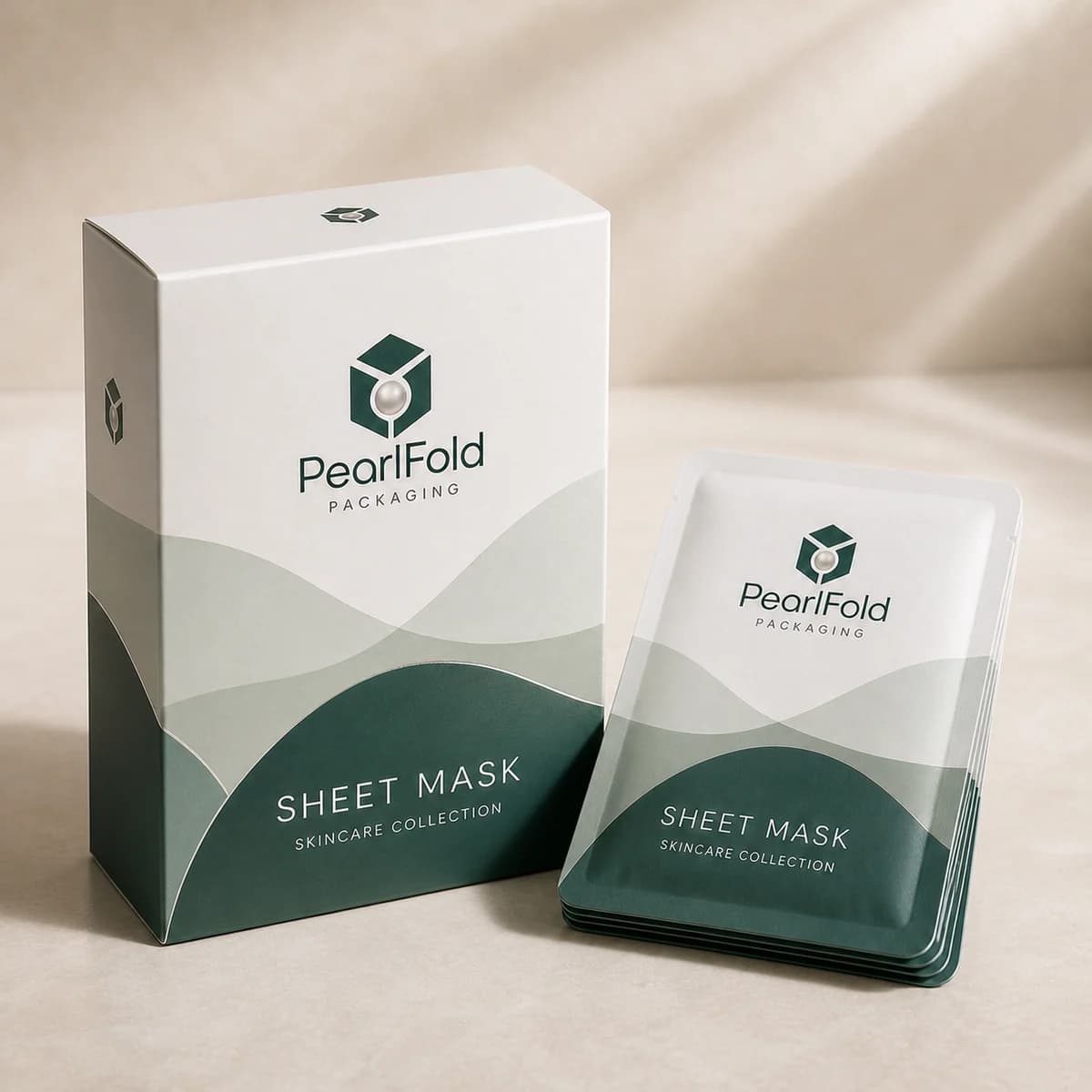
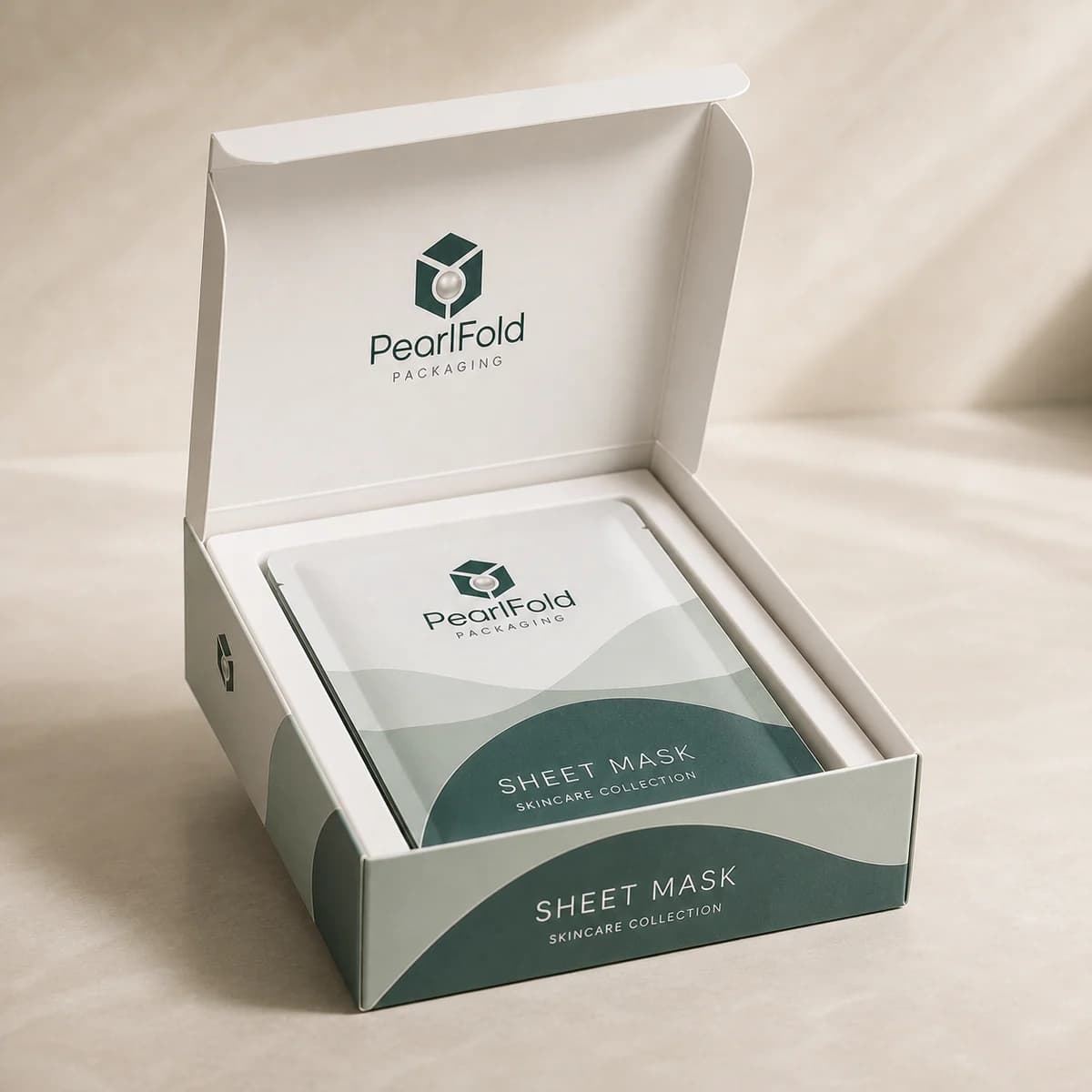
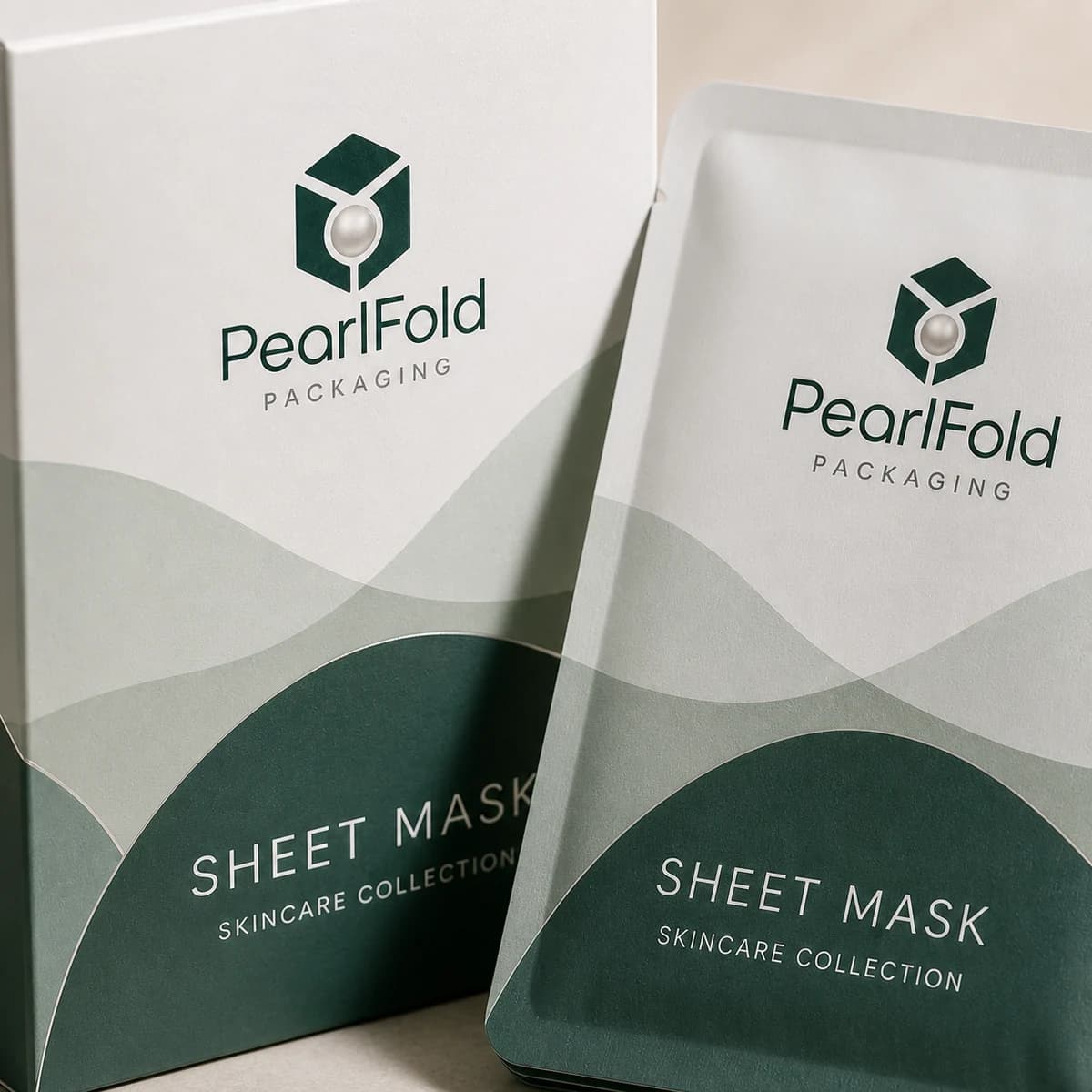
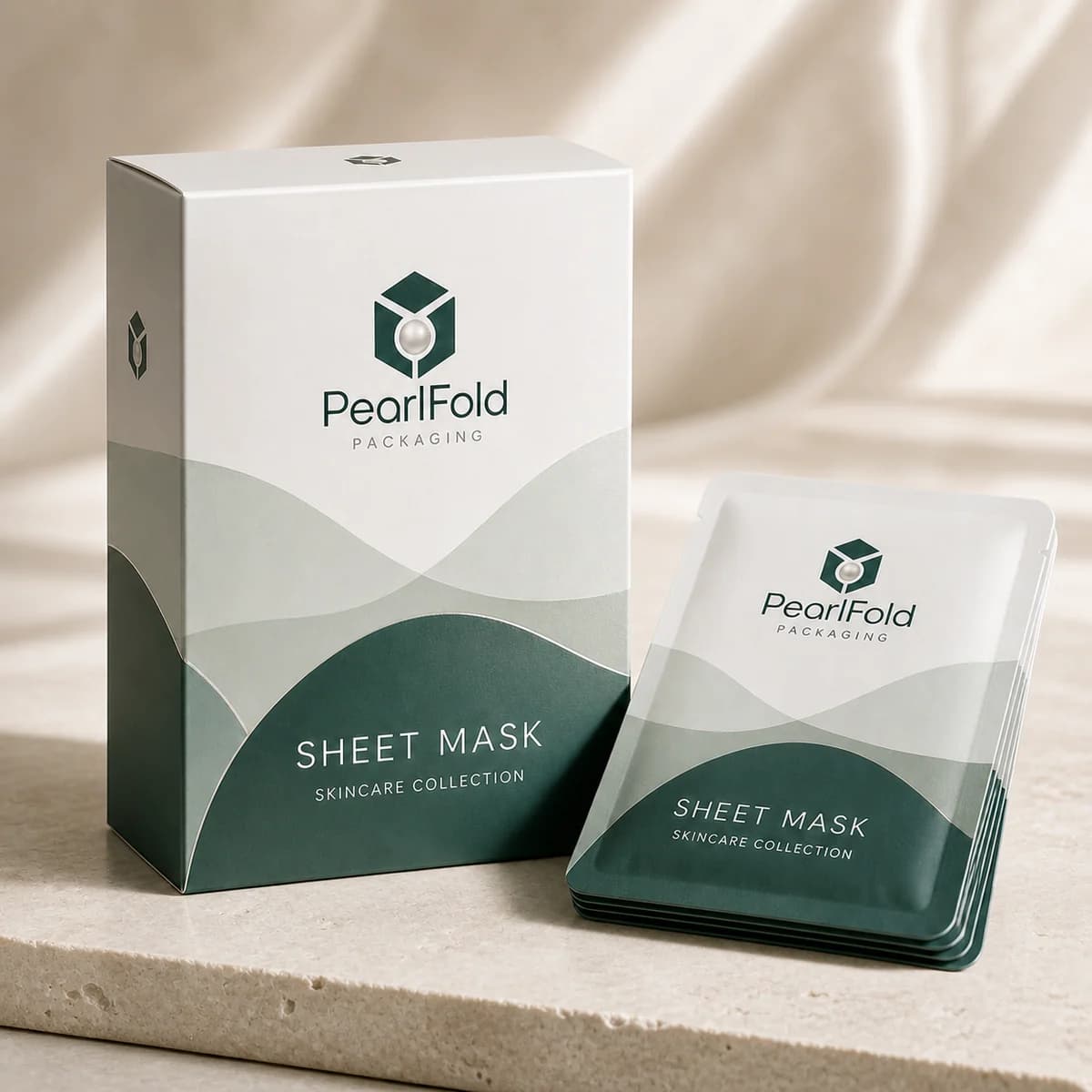
Custom Sheet Mask Boxes are made-to-order outer packaging for a flat sachet, pouch, or stacked mask format. Custom Sheet Mask Boxes should be planned from the finished flat sachet, pouch, or stacked mask format, not a generic category size. PearlFold uses a project-specific quote process so no website example becomes an unverified universal specification.
What makes sheet mask packaging product-specific?
The physical item changes the dimensions, loading direction, support points, panel proportions, and approval evidence. For this product, review bent corners, an overfilled stack, difficult dispensing, and collapse around unused headspace. A category-wide list cannot replace measurements and a written quotation.
What job should the outer package do?
Organize flat mask formats in cartons designed for retail or set presentation. The pack should create a clear information surface and address the format-specific risks without adding layers or effects that have no defined job.
Which measurements define the box?
Measure sachet width, height, sealed-edge thickness, stack count, compressed depth, and tear-notch clearance. Use the finished configuration, not an early rendering. Also state the filled weight, packing orientation, sales channel, destination, and whether any label, seal, or accessory changes the widest point.
The fit should provide loading and removal without catching sealed edges or blocking use instructions. Too little clearance can scuff the product or slow packing; too much space can reduce protection. Final internal dimensions and tolerances must be confirmed in the project specification and written quotation.
What structure and protection approach should be evaluated?
Possible directions to evaluate include a slim folding carton, dispenser carton, sleeve, or presentation set evaluated for the count. These are decision paths, not a statement that every construction, board, insert, or finish is available. The written quotation must identify the selected structure, material, print method, finish, insert scope, proof or sample requirement, quantity, production schedule, and delivery terms.
For this product, an insert is usually unnecessary for an aligned stack but potentially relevant to mixed-format sets. If included, review support points, finger access, surface contact, assembly, disposal context, and packed weight against the actual item. A website image does not confirm a construction or insert for an order.
How should artwork support the product range?
Prioritize mask type, count, variant, directions, barcode, and customer-supplied compliance copy. Keep critical copy away from cuts, folds, glue zones, closures, and insert openings. The customer remains responsible for legal, regulatory, ingredient, warning, barcode, trademark, and product-claim accuracy. Packaging planning does not replace the brand's regulatory review.
Plan for the fact that single sachets, multi-count stacks, and assortments need different depth and copy planning. Every SKU needs its own approved artwork, barcode, variant name, and panel check. A physical-format change should trigger a new structural review rather than an automatic copy of the previous dieline.
How should materials, print, and finishes be selected?
Start with structure, packed weight, print area, handling, and evidence behind any environmental claim. Paperboard, kraft-looking stocks, rigid-board constructions, paper-based inserts, coatings, foil, embossing, debossing, and selective effects may be discussed only as project options. Suitability and availability depend on supplier, converting route, quantity, artwork, testing needs, and the written quotation.
Use finishes to reinforce hierarchy. Fine type, barcodes, variant identifiers, and brand-supplied mandatory copy need enough contrast. When color, rub behavior, fold cracking, texture, or registration matters, the quotation should state the proof or sample route and what that reference can demonstrate.
What should a quote brief include for custom sheet mask boxes?
- Finished-product measurements: sachet width, height, sealed-edge thickness, stack count, compressed depth, and tear-notch clearance
- Filled weight, packing orientation, quantity range, destination, and target timing
- Product photographs plus every label, seal, accessory, or component affecting fit
- Artwork status, variant count, barcode plan, required information, and color references
- Opening experience, protection concern, insert question, and sales channel
These inputs keep the discussion specific to the named product. Final dimensions, board, insert, print, finishes, proof or sample scope, minimum or suitable order quantity, price, production timing, shipping, and availability are only those confirmed in the written quotation.
How should a proof or sample be used?
If the quotation includes a digital proof, structural sample, printed prototype, or other approval reference, use it only for the questions written into its scope. A structural sample may help assess fit without representing final print. A print reference may support artwork review without proving every production variable. Approval should identify the exact file, specification, and reference that governs the next stage.
Review bent corners, an overfilled stack, difficult dispensing, and collapse around unused headspace; loading and removal without catching sealed edges or blocking use instructions; artwork orientation; variant accuracy; and packed presentation. Sampling availability, fees, timing, representation, and supplier coverage are project-dependent and must not be inferred from this page.
Custom packaging or a stock carton?
| Decision | Product-specific custom pack | Existing stock pack |
|---|---|---|
| Fit | Can be specified around the measured flat sachet, pouch, or stacked mask format | Limited to an existing internal size |
| Protection | Support can be evaluated against bent corners, an overfilled stack, difficult dispensing, and collapse around unused headspace | May require separate adaptation |
| Artwork | Uses a project dieline and product-specific hierarchy | May limit print area |
| Approval | Controlled by the quoted specification and reference | Fit still requires buyer review |
Neither route is automatically right. The decision depends on readiness, quantity, budget, schedule, protection, sales channel, and the cost of poor fit. PearlFold frames a project-specific option and quotation rather than claiming one construction suits every brand.
Related packaging decisions
Brands planning a range may also compare Custom Eye Cream Boxes, Custom Eye Serum Boxes, and Custom Acne Treatment Boxes. Each product still needs its own measurements, artwork, protection review, and written quotation.
Frequently asked questions about Custom Sheet Mask Boxes
Can one box size cover every variant?
Only when finished items are identical in the dimensions and features controlling fit. Artwork-only variants may share a structure after review; changes to single sachets, multi-count stacks, and assortments need different depth and copy planning can require a revised dieline or quotation.
Is an insert included?
No insert should be assumed. For this product, an insert is usually unnecessary for an aligned stack but potentially relevant to mixed-format sets. Material, geometry, assembly, price, and availability must be stated in the written quotation.
Are particular boards or premium finishes always available?
No. Options depend on structure, supplier, print route, artwork, quantity, testing, and current scope. Only the written quotation confirms availability and the approved production specification.
How do I request a quote?
Share the finished product, approximate quantity, destination, artwork status, and known packaging requirements through Get a Custom Quote. PearlFold can identify open questions and prepare a project-specific quotation without presenting an unverified universal MOQ or lead time.